Why Prince Philip fit a Vanuatu island legend
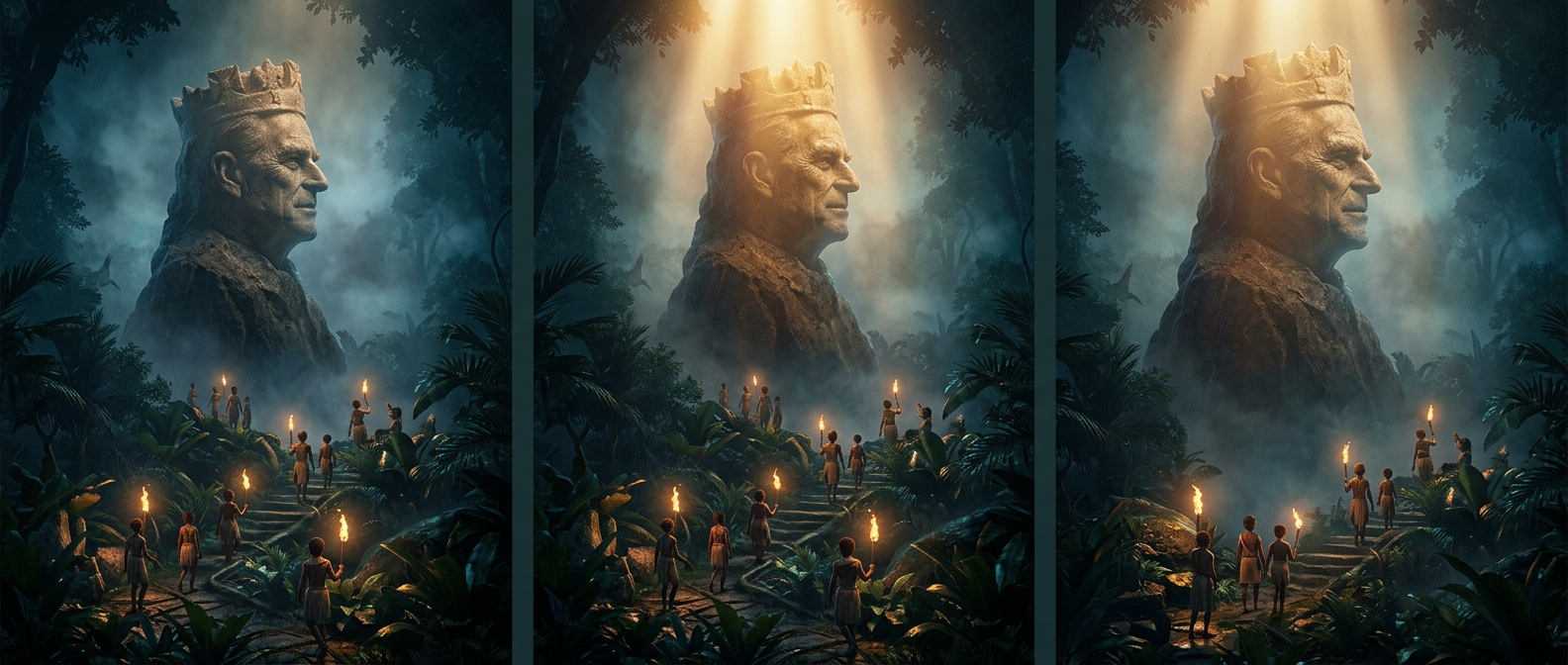
On the island of Tanna in Vanuatu, some people came to regard Prince Philip as the returning son of a mountain spirit. In the local story, this figure was pale-skinned and had traveled overseas; his return was associated with hopes for renewal and prosperity. Philip’s position as the husband of Queen Elizabeth II made him an especially striking fit for a figure linked to a powerful woman abroad.
This was not simply a case of mistaking a famous visitor for a spirit. The belief grew within a community interpreting a changing world through its own traditions, amid the disruptions of colonial rule and expanding contact with outsiders. The story gave those changes a local meaning and a connection to ancestral authority.
How photographs made a distant prince feel present
Philip lived thousands of miles away, but photographs offered a tangible link. He sent signed portraits to the community, and each image could be treated as evidence that the relationship was recognized, not merely imagined. The portraits did not create the tradition on their own; they gave an existing interpretation a rare form of personal acknowledgment from the person at its center.
That exchange also made the devotion visible beyond Tanna. Outsiders often described it as an exotic curiosity, but for the people involved, the portraits connected a local spiritual story to a real figure in world affairs. The striking detail is how a signed photograph could carry two kinds of meaning at once: a royal keepsake to its sender, and a sign of continuing connection to a returning spirit for its recipients.