How a death became part of Crowley’s legend
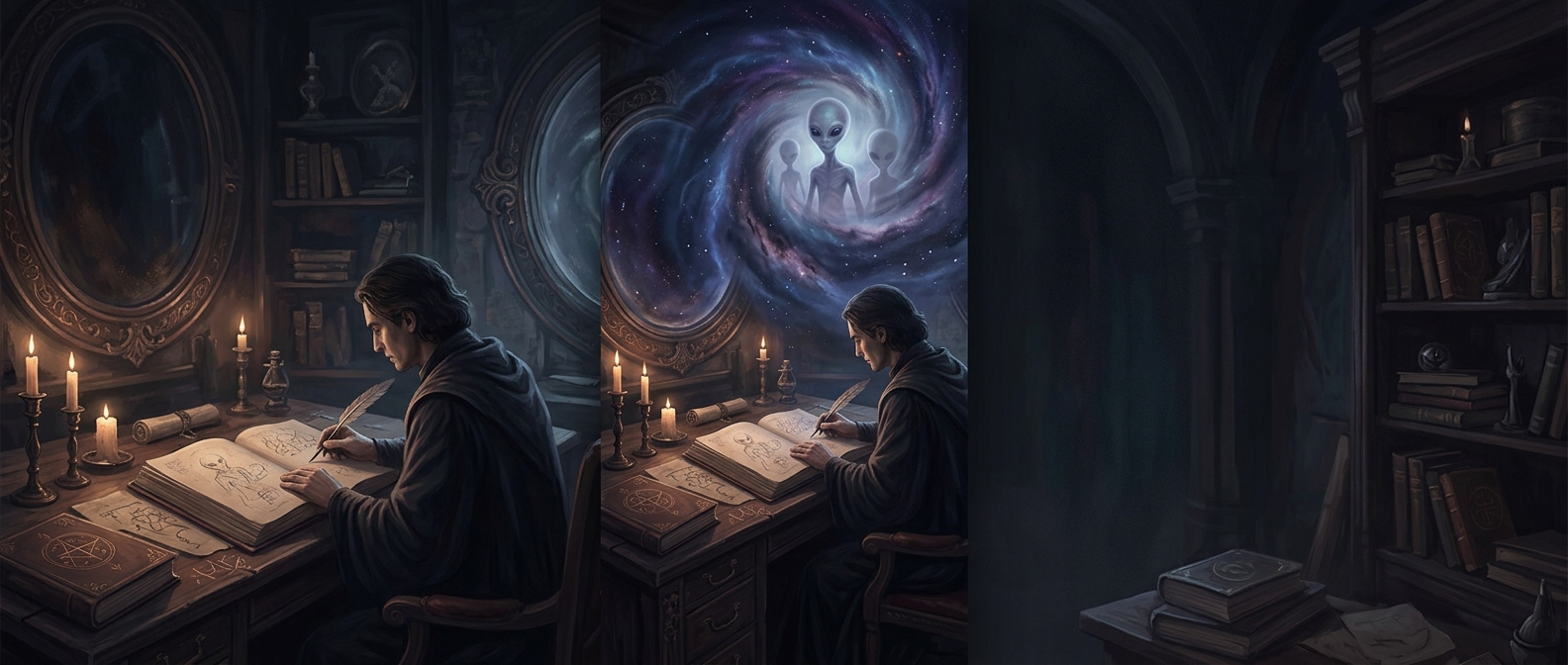
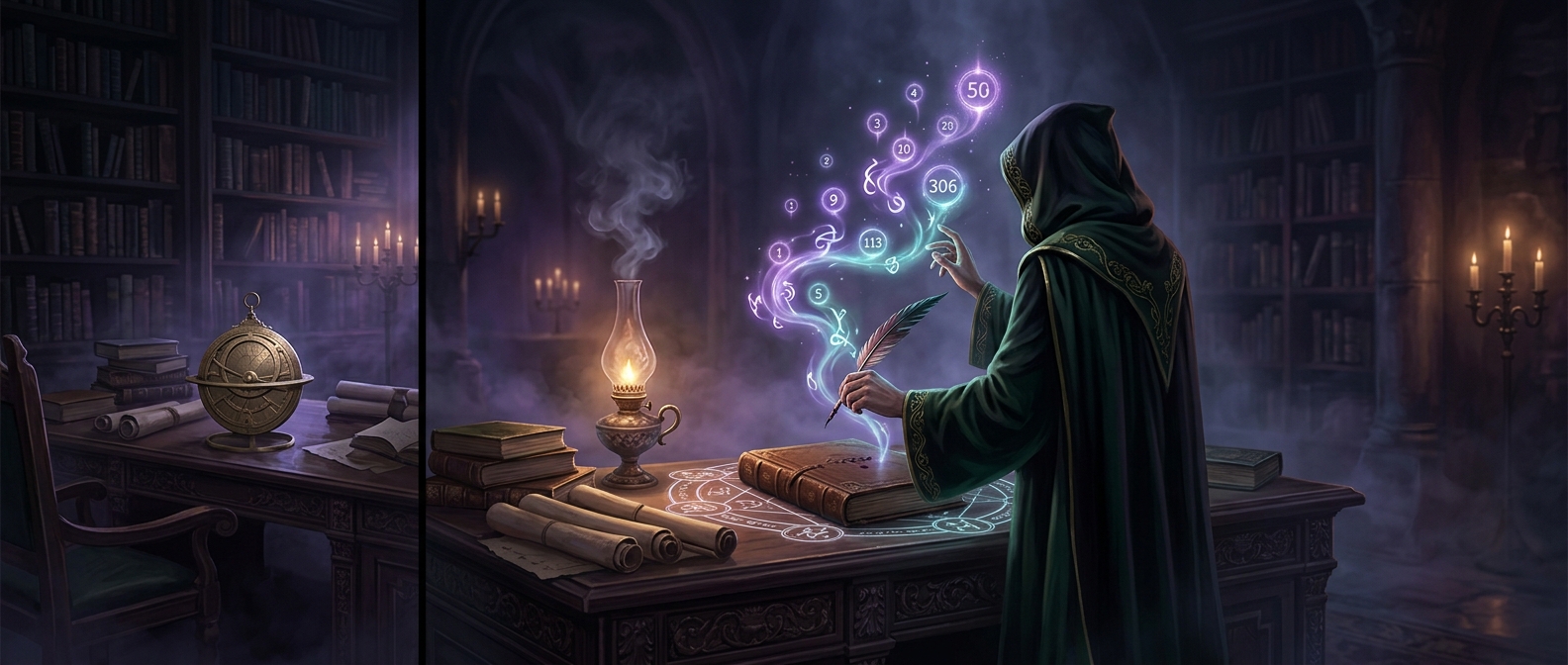
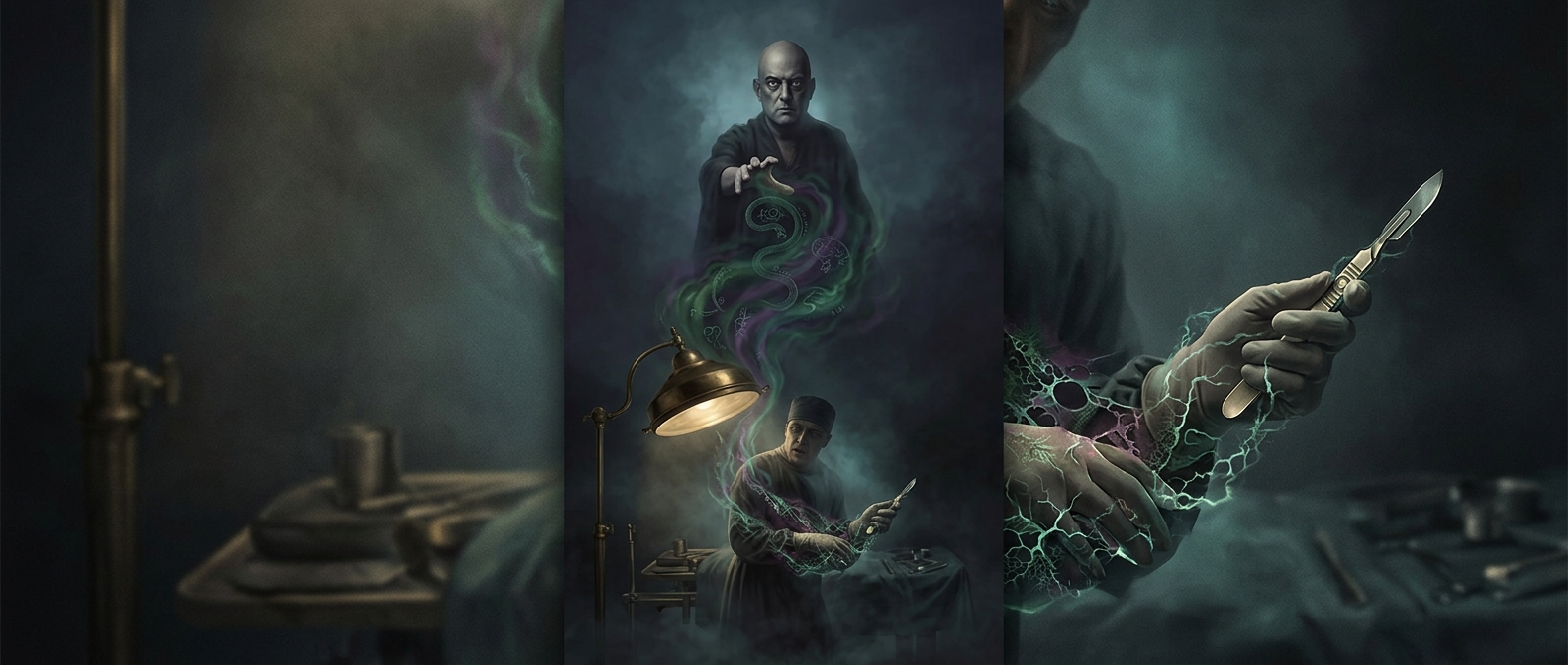
The story links Aleister Crowley, the British occultist, to Ralph Shirley, a critic of occultism who reportedly died after a sudden blood infection. Crowley is said to have cursed Shirley, and the closeness in time between the alleged curse and the death gave the tale its dramatic force.
Why the timing felt like evidence
A curse is difficult to test: it proposes a hidden cause without specifying a physical chain that can be checked. An infection, by contrast, is a bodily process. Microbes enter the body, multiply, and can trigger a dangerous response that spreads beyond the original site. Before modern treatment, such illnesses could worsen rapidly. A death soon after a threat could therefore look uncanny, even though timing alone cannot show that one caused the other.
That gap is where a legend takes hold. The curse supplies a memorable explanation for an otherwise frightening event, while the death seems to confirm the threat. The story is then easier to repeat than the more ordinary possibility that the timing was coincidence.
The story’s lasting effect
Accounts of the episode helped reinforce Crowley’s public image as a figure whose occult reputation could inspire fear. That does not establish that he cursed Shirley, or that a curse caused the infection. It shows how a striking sequence—threat, illness, death—can turn uncertainty into a supernatural narrative, especially when the person at its center already has a reputation for the occult.