When dancing became the prescribed cure
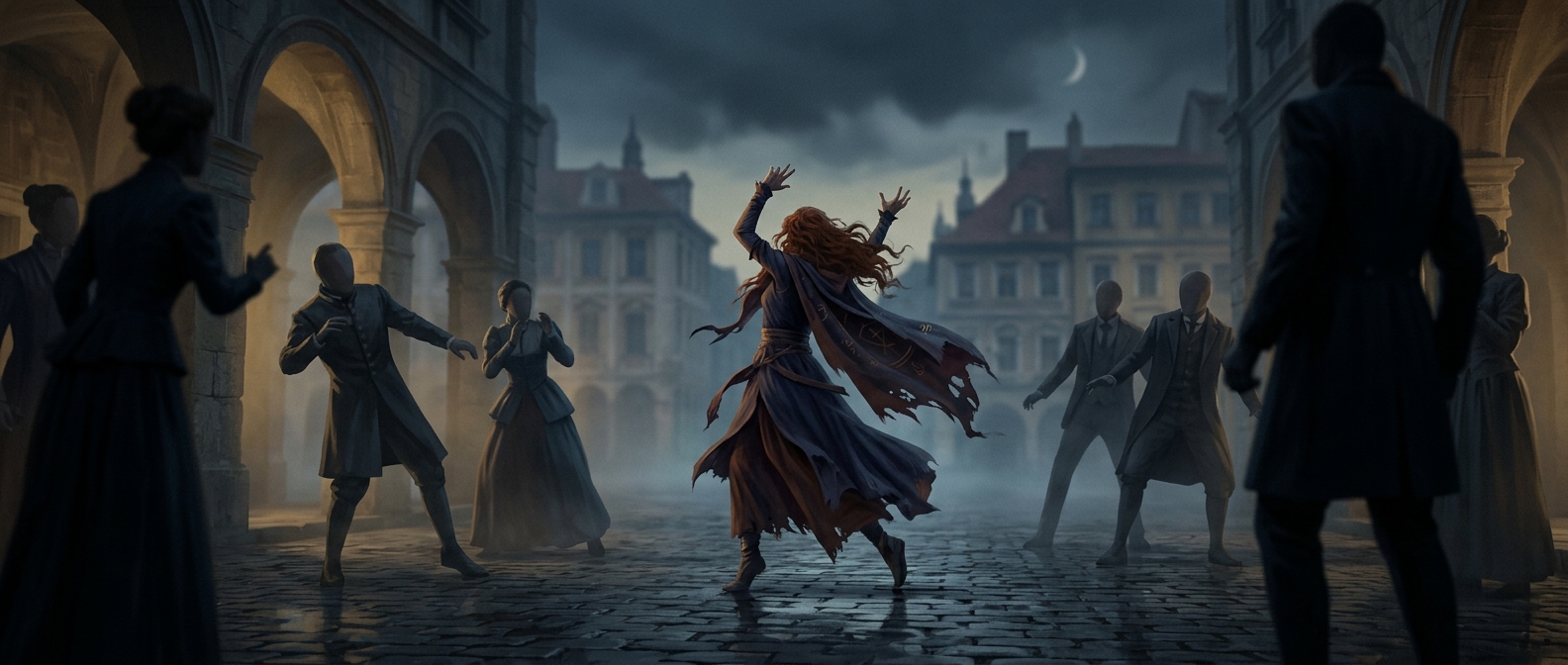
In Strasbourg in 1518, reports describe a woman identified as Frau Troffea dancing in the street and others joining her. The episode became known as the dancing plague. Later accounts describe many people dancing for days, though the exact number and claims of deaths are difficult to establish. What is clearer is that city authorities treated the behavior as an illness—and at first tried to manage it by making room for more dancing.
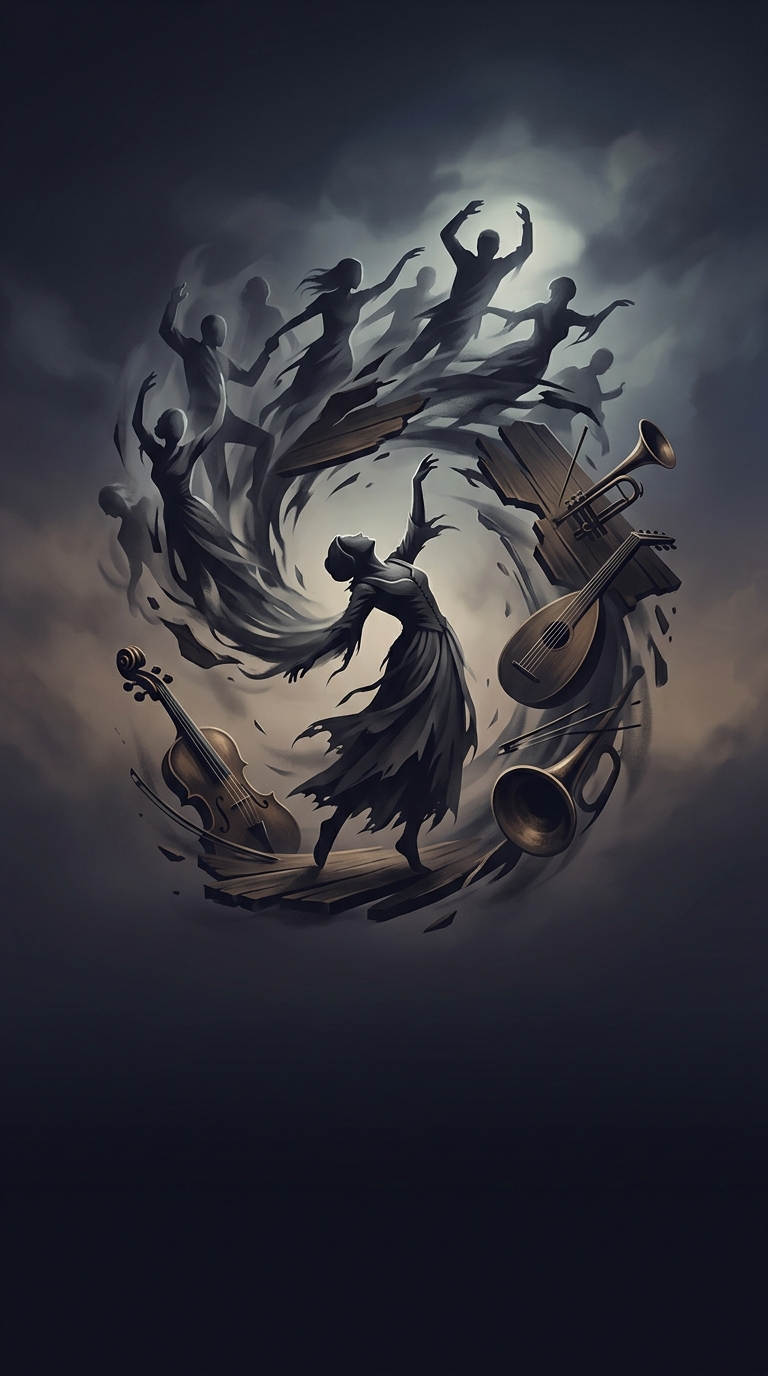
They hired musicians and provided a wooden stage because physicians believed the dancers needed to keep moving until the episode passed. That decision rested on a mistaken medical theory, but it also shows how officials understood the crisis: not as deliberate performance, but as a bodily affliction that might run its course if given an outlet.
How distress can spread through a crowd
Today, an episode in which people develop similar symptoms without an identifiable physical cause may be described as mass psychogenic illness. “Psychogenic” means that psychological and social factors can help produce real physical experiences; it does not mean people are pretending. Stress, fear, close contact, and shared expectations can reinforce symptoms across a group, sometimes without anyone consciously choosing to imitate anyone else.
That framework offers one possible way to understand the Strasbourg outbreak, but it cannot settle exactly what happened. The surviving accounts do not provide enough evidence to identify a single cause, and “mass psychogenic illness” is a modern interpretation, not a diagnosis recorded in 1518.
Why the response changed
The musical stage did not bring the crisis under control. Authorities eventually stopped encouraging the dancing and turned instead to religious measures, including sending dancers to a shrine. The shift suggests that officials were trying different explanations and remedies as their first response failed.
The episode’s most revealing detail is also its strangest: music was initially used not to celebrate the dancers, but as a treatment. The stage made a theory of illness visible—and showed how a mistaken cure could give a frightening public crisis a larger stage.