A stone that made accusation a risk
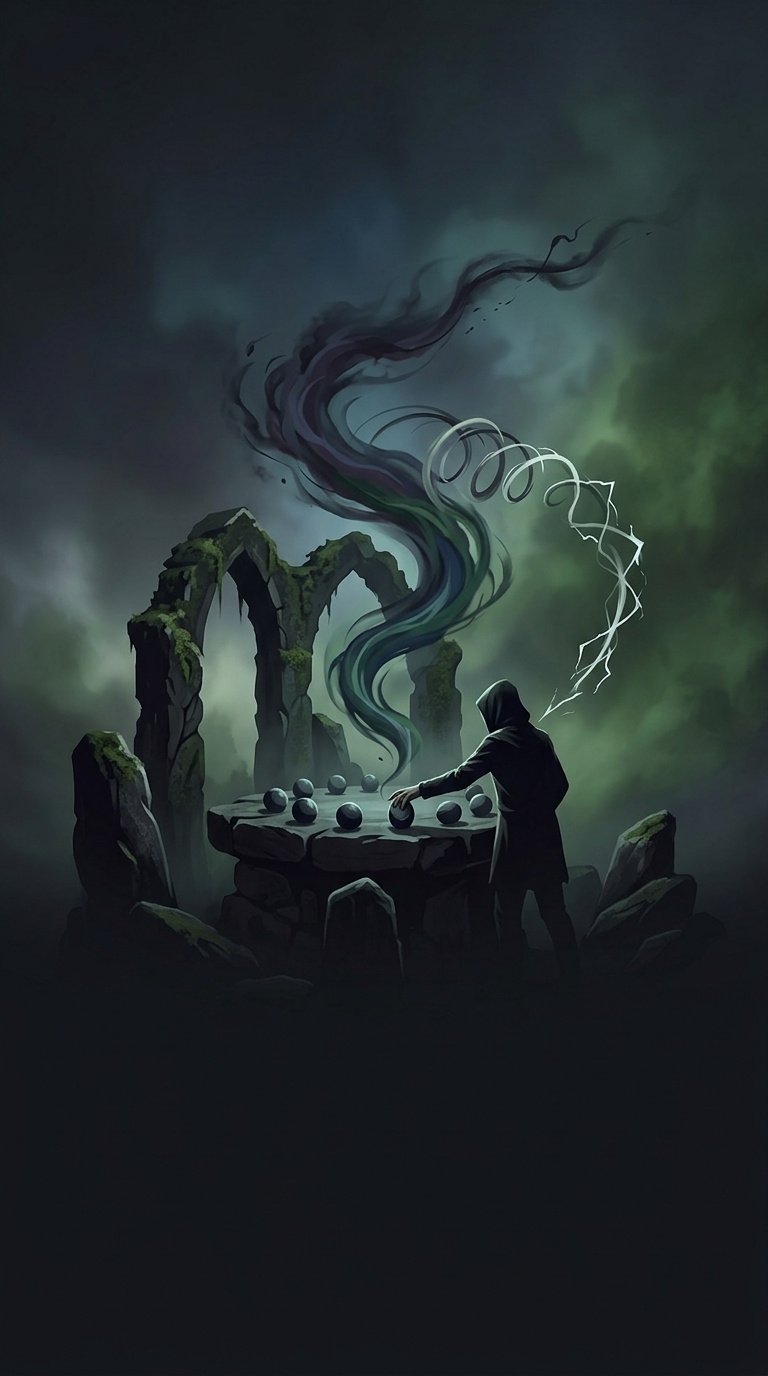
In the tradition described here, a cloch breac—literally, a “speckled stone”—was a rounded stone used in a curse ritual. The person seeking redress turned it while speaking the curse. The striking feature was the claimed safeguard: if the accusation was unjust, the harm would rebound on the person who invoked it.
That rule made the ritual more than a way to express anger. It attached a spiritual cost to acting on suspicion. Someone who believed a neighbor had stolen a sheep was expected to consider whether the accusation was true before turning the stone.
A supernatural check on a village dispute
In a rural community, a stolen animal could mean a serious loss, but an accusation could also damage a neighbor’s standing and deepen a quarrel. The curse’s supposed rebound offered a moral boundary: you could call for supernatural punishment only if you were prepared to stand behind your charge.
The stone did not establish guilt or settle a dispute through evidence. Its force lay in the belief surrounding the act—and in the fear that a false claim would bring consequences upon the accuser instead. In that sense, the ritual resembles a spiritual penalty for making a reckless accusation, not a literal court procedure.
The danger was part of the point
Folklore presents the threat as immediate and severe, which makes the ritual’s logic vivid: the person turning the stone was not simply wishing harm on an enemy but taking a risk themselves. Whether anyone believed the curse would literally rebound cannot be inferred from the story alone. What the tale clearly preserves is a warning against treating anger as proof.
A sheep might be recovered or replaced; a curse, the tradition insisted, could make a mistaken accusation dangerous to the accuser’s own household.