A closer look
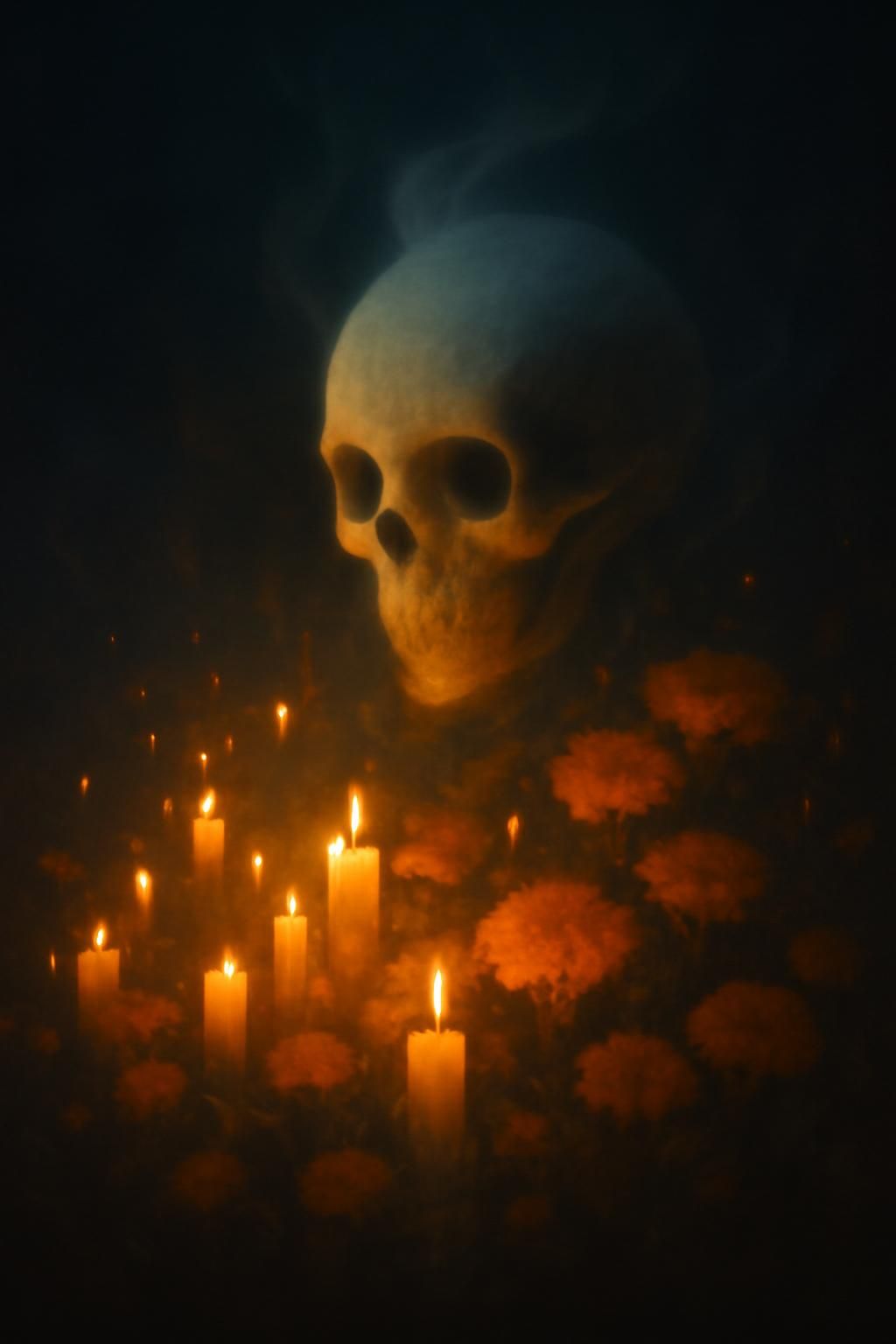
On the night when some say the dead come home, Mexican graveyards explode with life. During Dia de Muertos, families clean tombstones, scatter marigold petals, and build ofrendas, altars loaded with favorite foods, cigarettes, toys, and bottles of tequila for the relatives who have crossed over. Candles flicker in every direction, turning the cemetery into a sea of warm light where people talk, laugh, and sometimes sleep beside graves until dawn. The belief is both tender and unsettling: that on this one night, the boundary between worlds thins enough for souls to follow the scent of flowers and copal incense back to their old doorways. Not honoring them is more dangerous than death itself, because a forgotten dead can become a restless dead. It is not horror, exactly, but a kind of beautiful defiance, insisting that love can shout louder than the silence of the grave, at least for one night.