Why a ritual cake could contain more than food
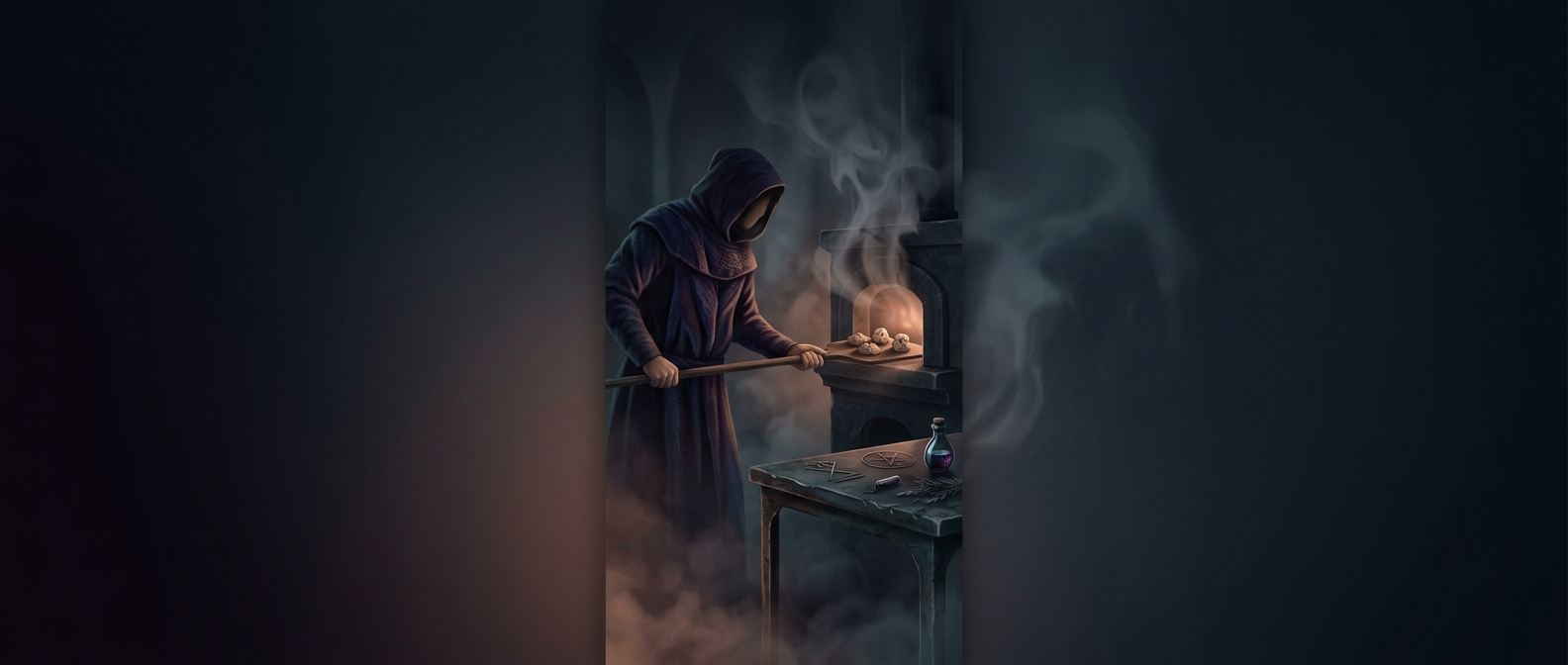
In the Ordo Templi Orientis (O.T.O.), a fraternal order shaped by Aleister Crowley’s occult teachings, a “Cake of Light” was a ceremonial object as well as something to eat. Its ingredients were meant to carry meaning: honey, oil, and wine could stand for life’s richness and vitality, while blood or semen—called for in some versions of Crowley’s recipe—made the symbolism more pointed. These were substances associated with the body and its generative power, not casual flavor additions.
Eating as part of the symbolism
Crowley’s religious philosophy, Thelema, treated divine force as something that could be encountered through embodied life, including physical pleasure and sexuality. In that framework, consuming a Cake of Light could represent taking sacred energy into oneself. The cake worked as a compact ritual symbol: ingredients drawn from bodily and earthly life became part of a religious act through preparation and eating.
The recipe’s more startling ingredients were not a requirement that every O.T.O. member used in every ceremony. Ritual practice and preparation could vary. But their presence in Crowley’s instructions shows how deliberately the cake crossed the boundary between ordinary nourishment and sacred substance. What might look like a bizarre snack was intended to make a theological point: in this tradition, the body was not separate from spiritual life—it could be one of its materials.