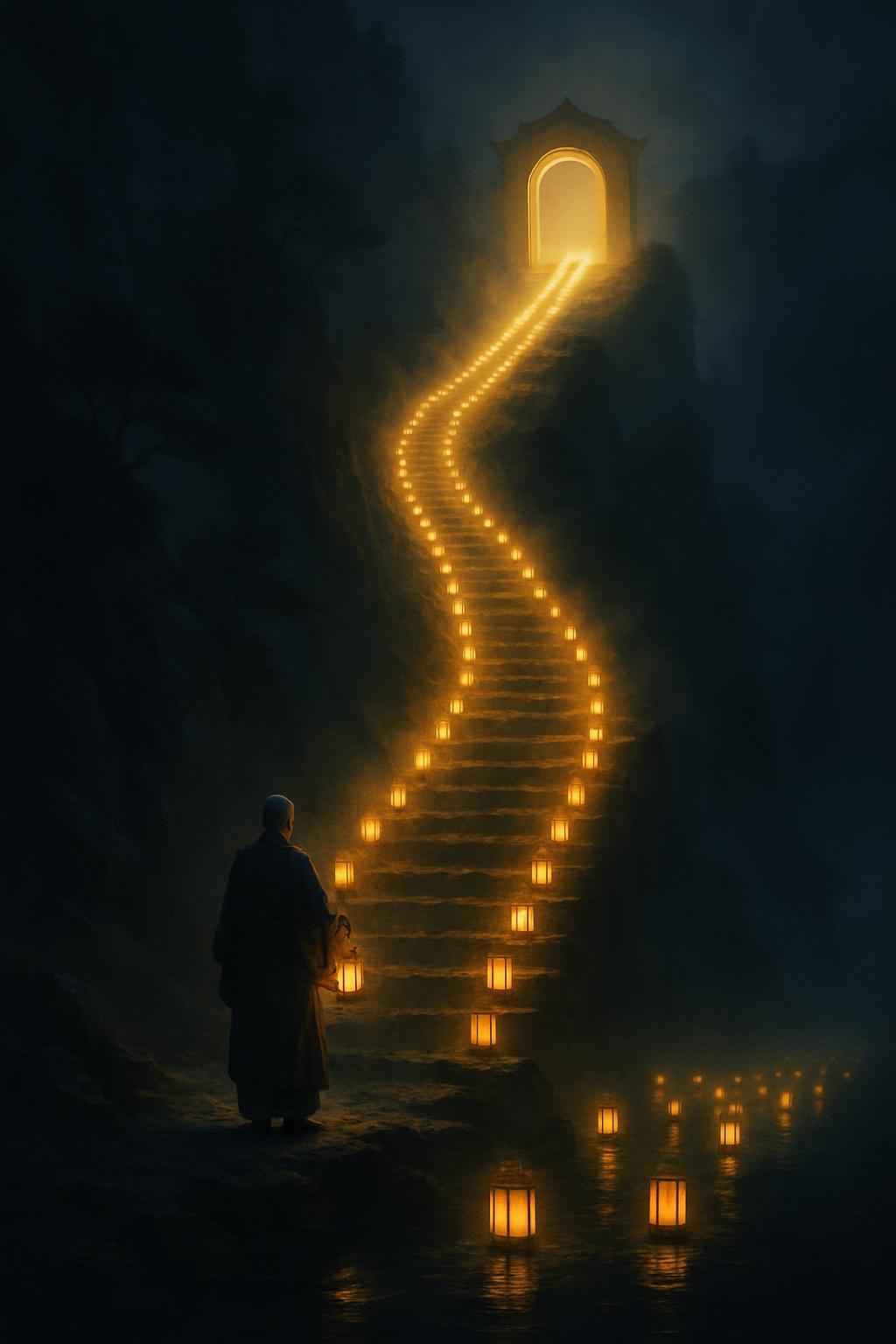
Why the Lantern Must Stay Outside
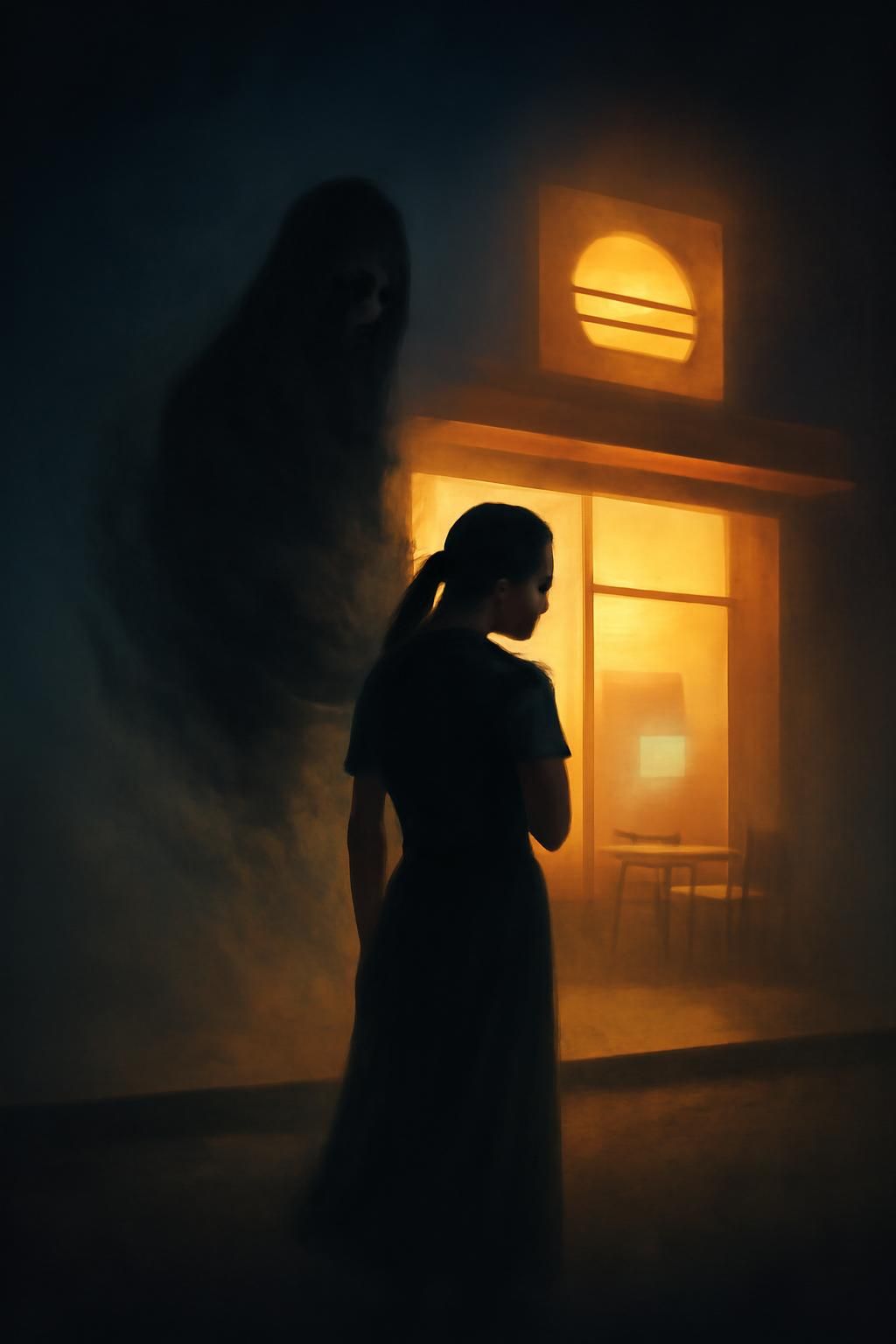
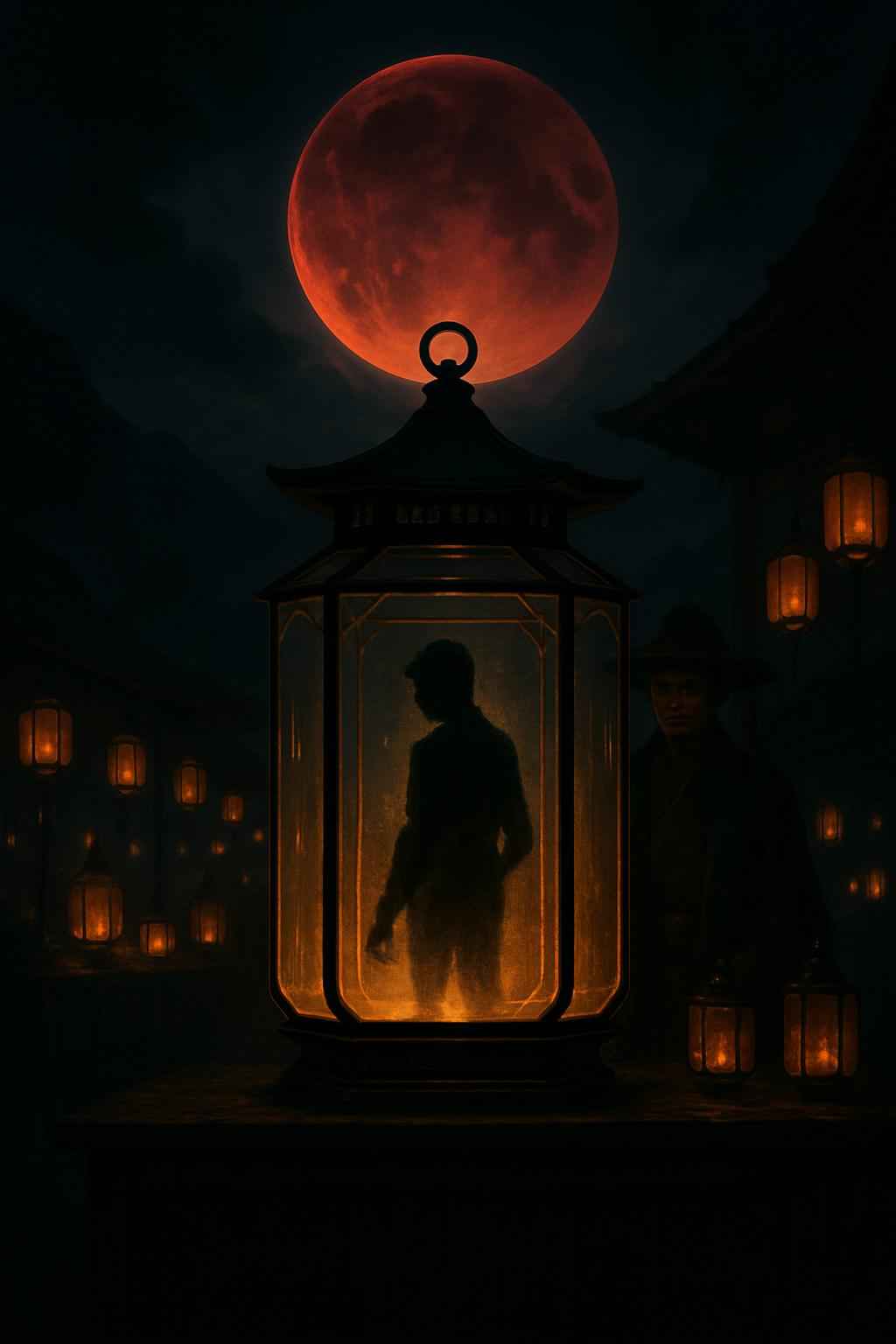
The warning turns an ordinary household object into a boundary between places. Outdoors, a lantern belongs to the strange night market; carried inside, it crosses into the private space of a home. In the legend’s logic, its shadow can cross that boundary too—and recognize where it came from.
That recognition makes the shadow more than a patch of darkness. It becomes a presence with a remembered attachment, capable of resisting the person who brought it in. The danger is not simply that something follows the lantern home; it is that the shadow may decide that home is where it belongs.
An Eclipse Makes the Rule Feel Necessary
A lunar eclipse gives the market a brief, unusual setting: the familiar night is altered, and the merchants are said to appear only then. The indoor prohibition supplies a practical rule for dealing with that uncertainty. Leave the lantern outside, and the market’s uncanny business stays on its own side of the threshold.
The tale’s lasting image is small but unsettling: a household lamp can be carried through a doorway, yet its shadow might have a different idea of where it belongs.