Why La Paz’s Skulls Have a Day of Their Own
The skulls honored in La Paz are often called ñatitas, a nickname commonly translated as “little flat-nosed ones.” Their observance is associated with November 8, several days after Bolivia’s All Saints’ Day and Day of the Dead gatherings. That timing gives the ritual its own place in the season: it is not simply a display of skulls, but a day for tending a relationship with a particular dead person—or spirit.
A Bond Marked by Reciprocity
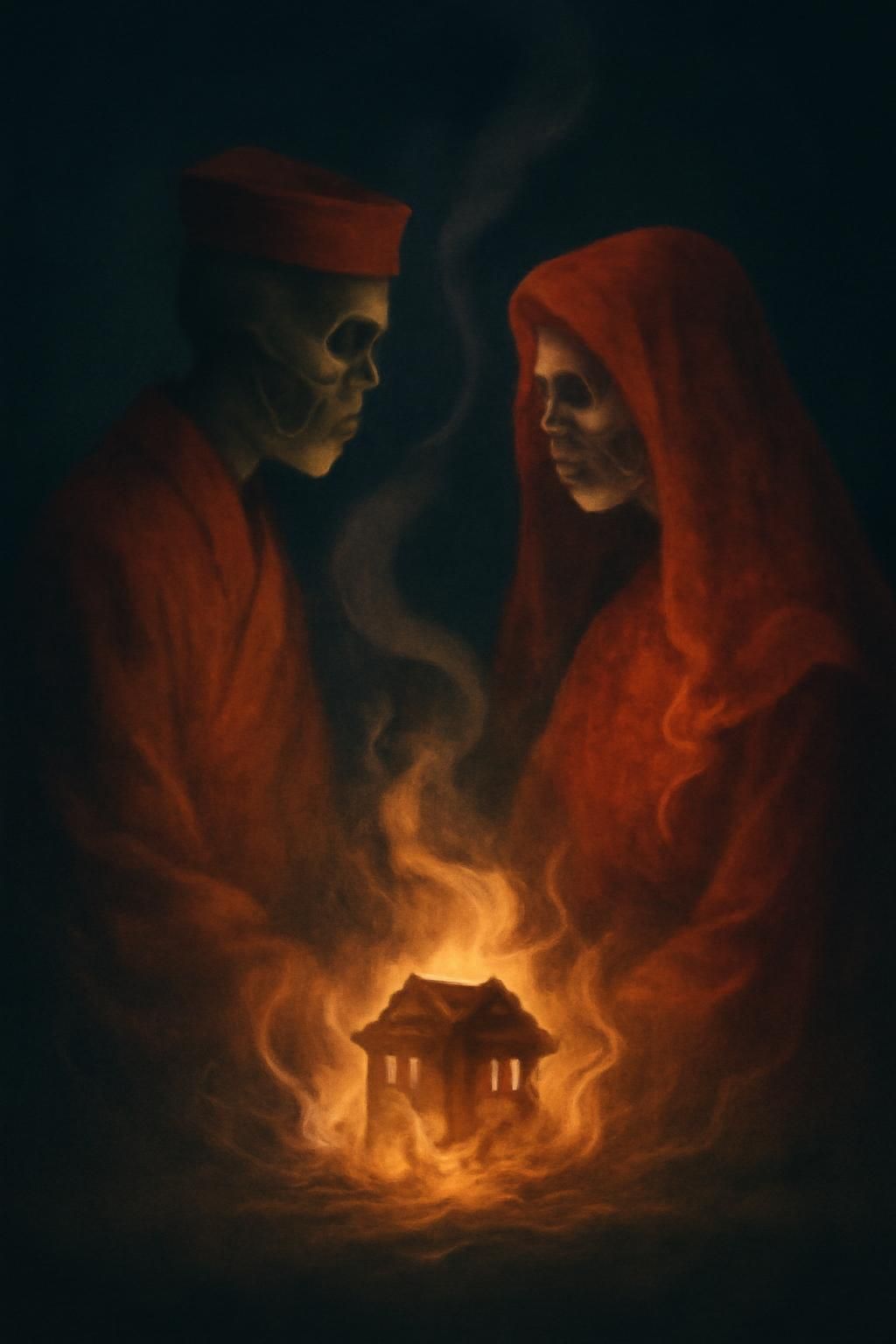
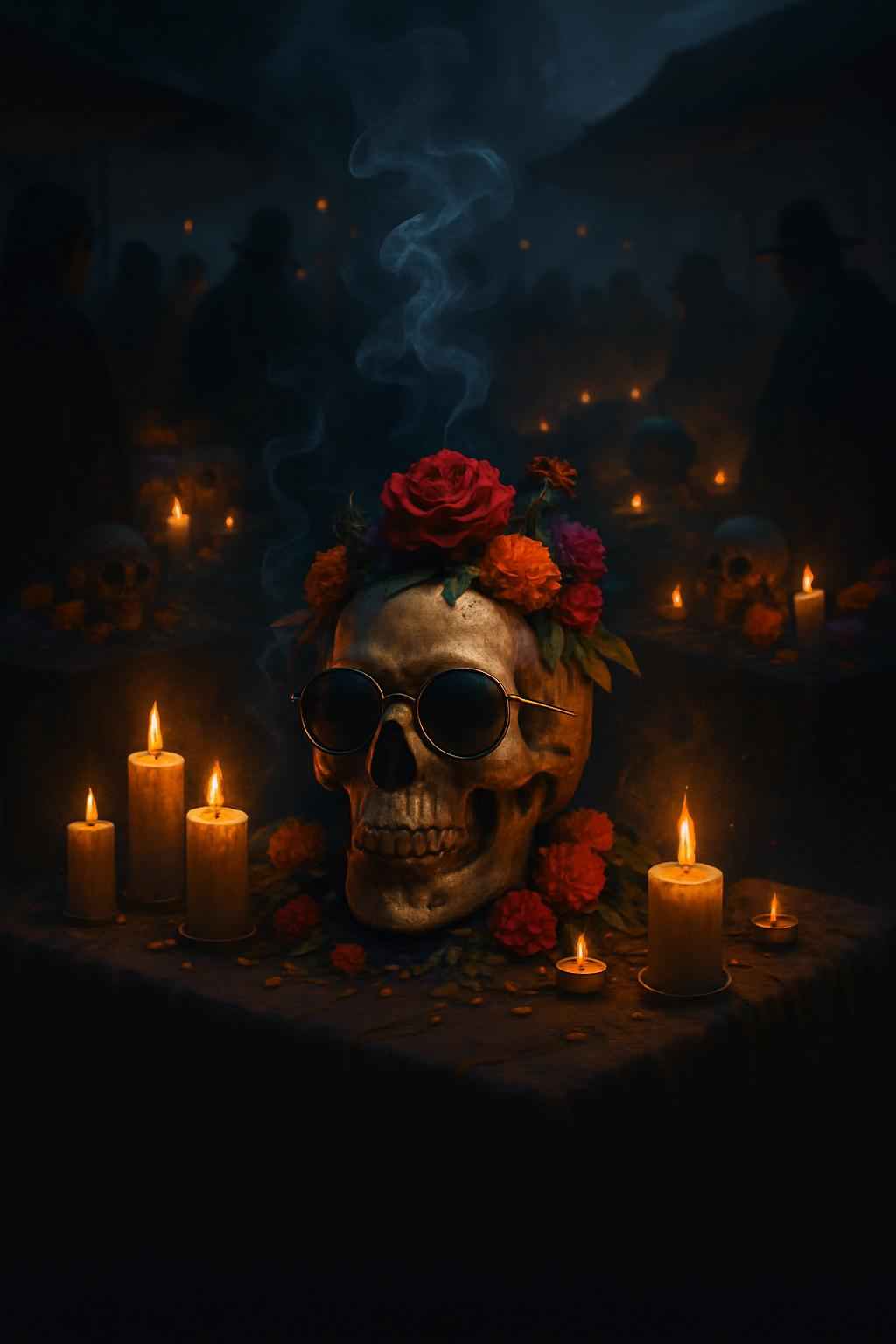
For devotees, a ñatita is not merely a keepsake or decoration. People may ask for help with protection, health, or everyday troubles, then return with offerings and thanks. Smoke, drink, flowers, and quiet prayers make that exchange visible. The underlying idea is reciprocal: the living show care and respect, and hope for care in return.
Beliefs and customs differ from one household to another. The practice sits within Bolivia’s layered religious life, where Indigenous Andean traditions and Catholic observances have long existed alongside one another. It is best understood through what participants do and mean, rather than as a single uniform doctrine.
The Meaning of the Gathering
When skulls are brought out and adorned, a private connection becomes a public ritual. The decorations and offerings signal that the dead are still treated as present in family and community life—not only remembered at a distance. That is what makes the market-like bustle more than spectacle: each carefully tended skull stands for an ongoing obligation of care, gratitude, and hope.