A pause between mourning and home
A wake is not just a gathering around the dead; it is also a passage between two parts of life. In the Filipino practice known as pagpag, mourners interrupt the trip home after attending a wake. The pause gives the return a deliberate shape: the visit ends somewhere other than the household’s doorstep.
The word pagpag evokes brushing or shaking something off. The ritual expresses a concern that death’s presence might cling to those who have been near it. That is a cultural belief, not a claim that anything measurable travels home with mourners. Its force lies in the meaning people give the gesture: leaving the wake should involve a transition, not simply a walk through the door.
Why the stop matters
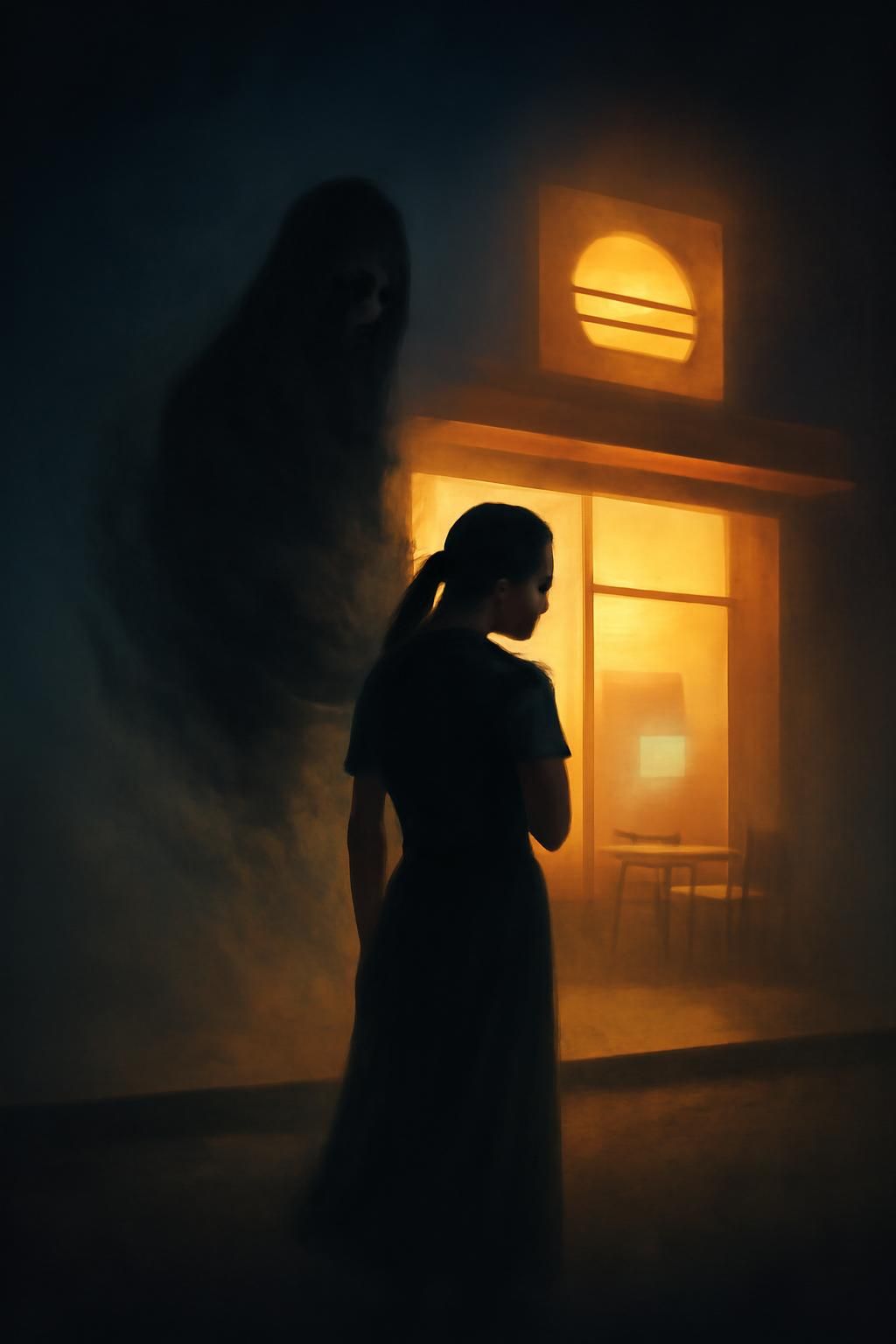
A brightly lit shop or restaurant offers an ordinary, public place in which to make that pause. Its everyday activity contrasts with the solemnity of a funeral gathering. Changing clothes or using salt at the entrance can serve a similar symbolic purpose: each marks a boundary between exposure to death and the protected space of home.
These customs are not a single fixed rule followed by every Filipino family. Practices can differ by household and community, and people may observe them as tradition, precaution, or respect for relatives’ beliefs. The shared idea is more important than one exact procedure: the journey home becomes part of the farewell.