Why Iron Could Stand In for Wood
The familiar “knock on wood” gesture turns a hopeful statement into a small act meant to head off bad luck. In versions of the superstition where wood was not at hand, iron could serve as the substitute: the point was to make contact with a solid object, not to find a particular kind of tree.
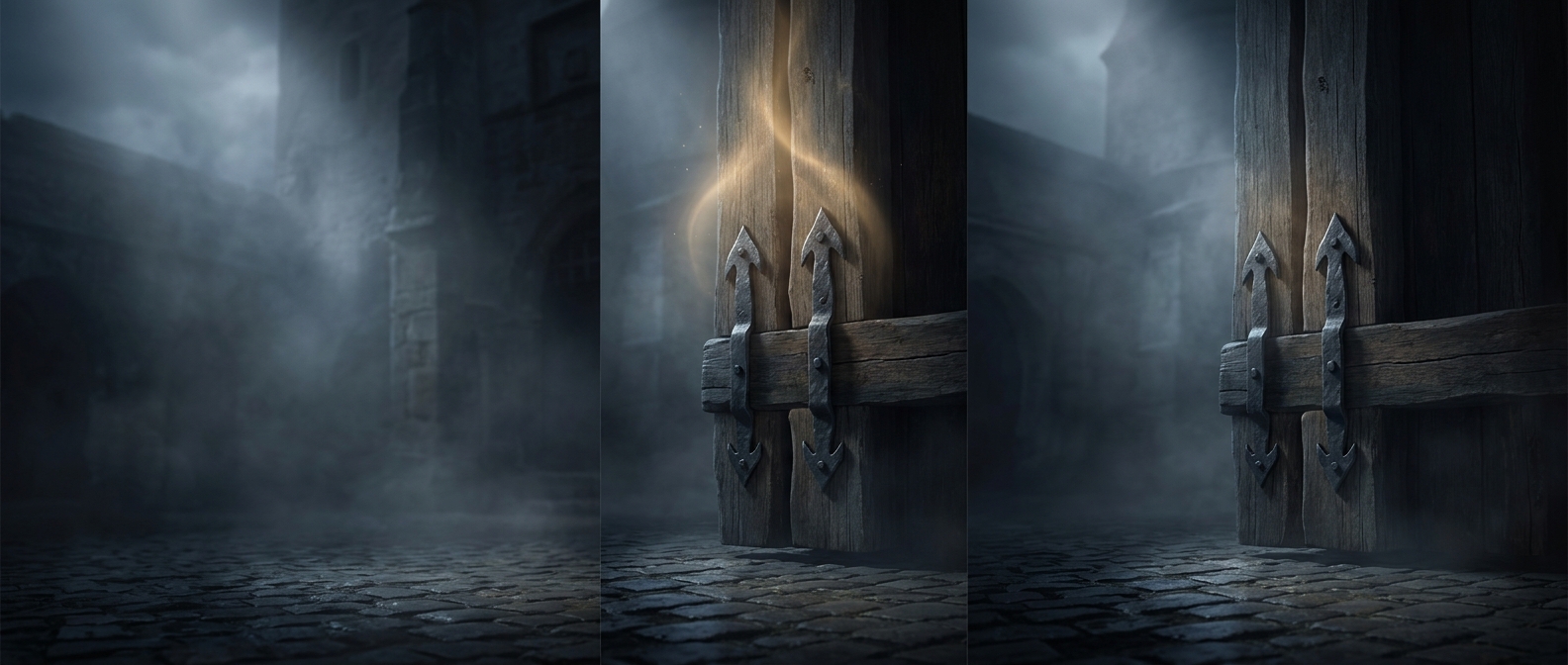
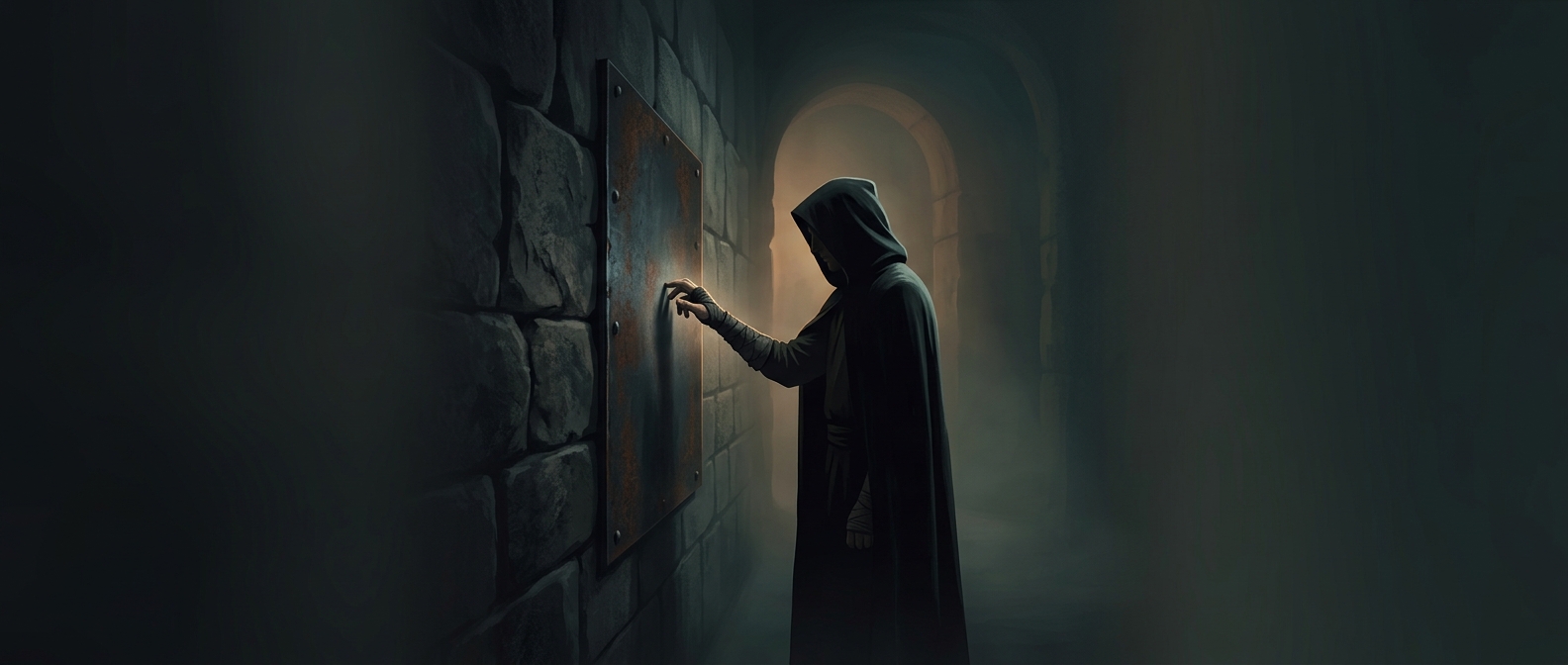
Iron also carried its own protective associations in many folk traditions. Because it was hard, durable, and useful for tools and weapons, people sometimes treated it as a material that could resist harmful forces. That made iron a fitting alternative in a ritual meant to guard against a jinx, even though the custom did not require a single shared explanation everywhere.
A Small Gesture With a Practical Logic
The gesture works as a piece of everyday folk practice, not as a claim that a surface can literally control what happens next. A person voices a hope, then taps a nearby solid material to symbolically cancel the risk of tempting fate. Iron preserves the gesture’s purpose when wood is unavailable, while its reputation for strength gives the substitute an added sense of protection.