When a Dropped Comb Became a Sign of Company
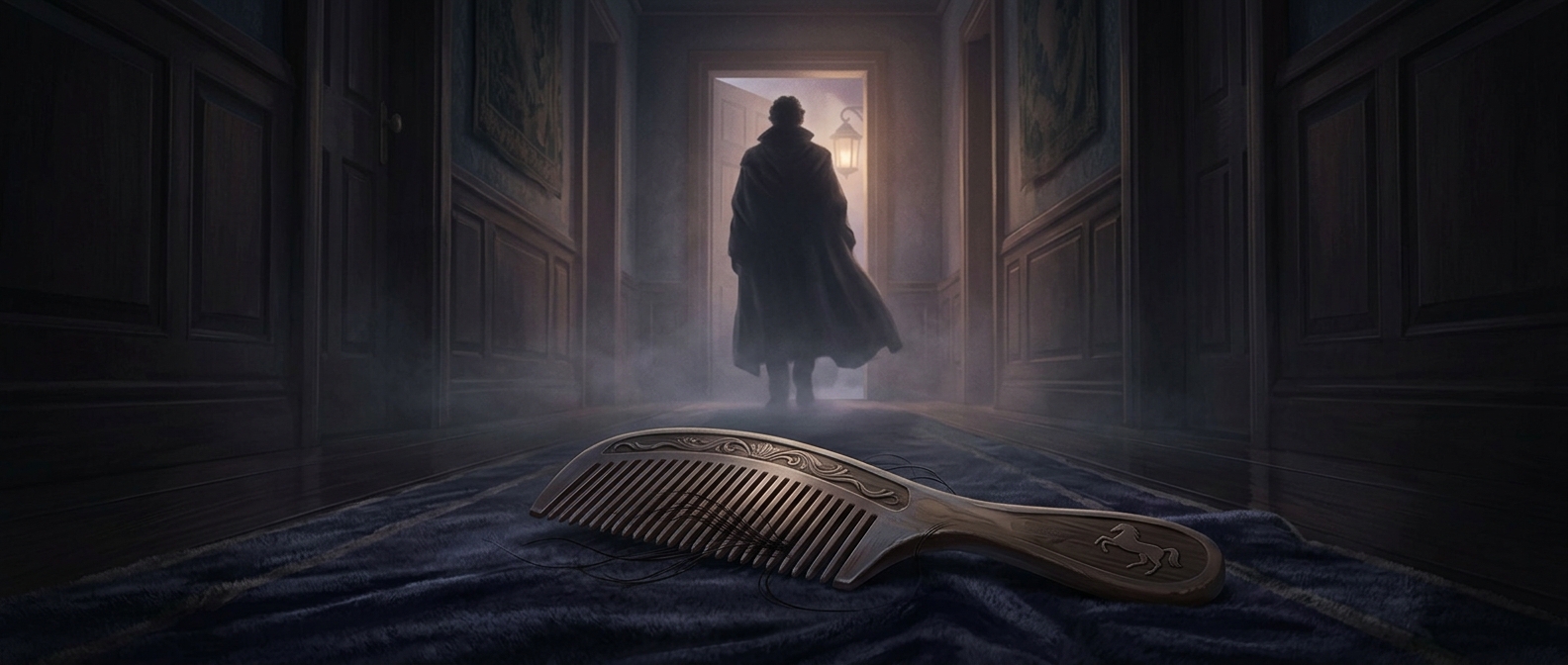
In an old household superstition, a comb slipping from someone’s hand was read as a small forecast: an unexpected visitor would soon arrive. The object itself offered no reliable way to predict a caller. Its meaning came from a familiar habit of turning an ordinary accident into a sign about what might happen next.
A Prediction That Shaped a Household Routine
The belief also suggested what to do. If a visitor was on the way, the household might prepare extra tea, making the omen a prompt for hospitality as much as a prediction. Tea was a practical way to welcome company, and setting aside more meant the host would be ready if someone appeared.
That preparation could help the superstition feel memorable. When a guest did arrive, the dropped comb seemed to have foretold it; when no one came, the moment was easier to forget. The ritual joined a chance occurrence to an everyday act of welcome, giving a minor mishap a place in the rhythms of home.
An Omen of Hospitality
The comb’s supposed message was less about danger than anticipation: make room for one more person. Even without treating the belief as a literal forecast, its practical consequence is easy to picture—a dropped comb, an extra cup, and a household briefly expecting company.