When “we” becomes part of “me”
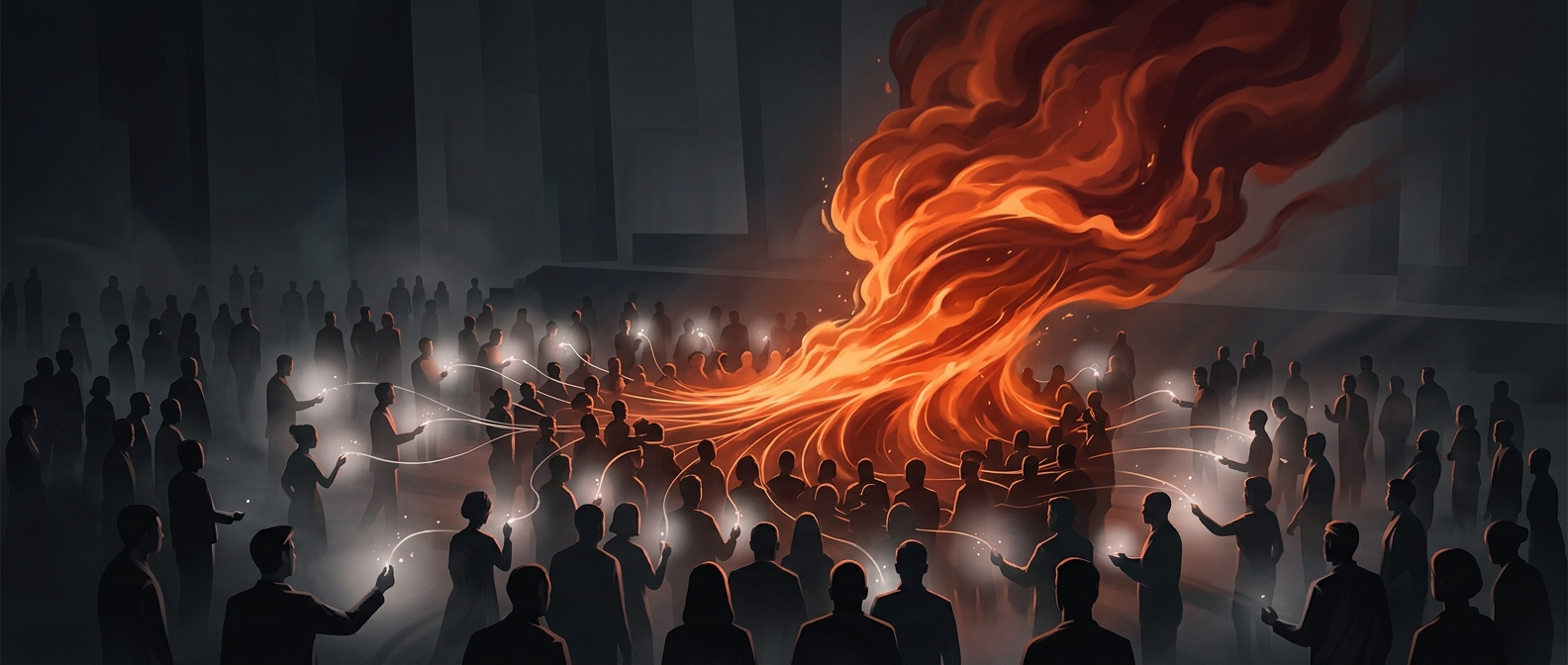
A person can care deeply about a group without experiencing it as part of their own identity. In identity fusion, that boundary becomes unusually thin: a group’s story, members, or fate feels bound up with who someone is. The group is not merely something the person supports; defending it can feel like defending the self.
This helps explain why a threat to a group may provoke a response that seems disproportionate from the outside. If an extremist believes their community is under attack, the danger may feel immediate and personal—even when the threat is directed at the group rather than at them individually. The emotional reaction follows the perceived connection, not just the physical distance from danger.
Why sacrifice can feel like self-protection
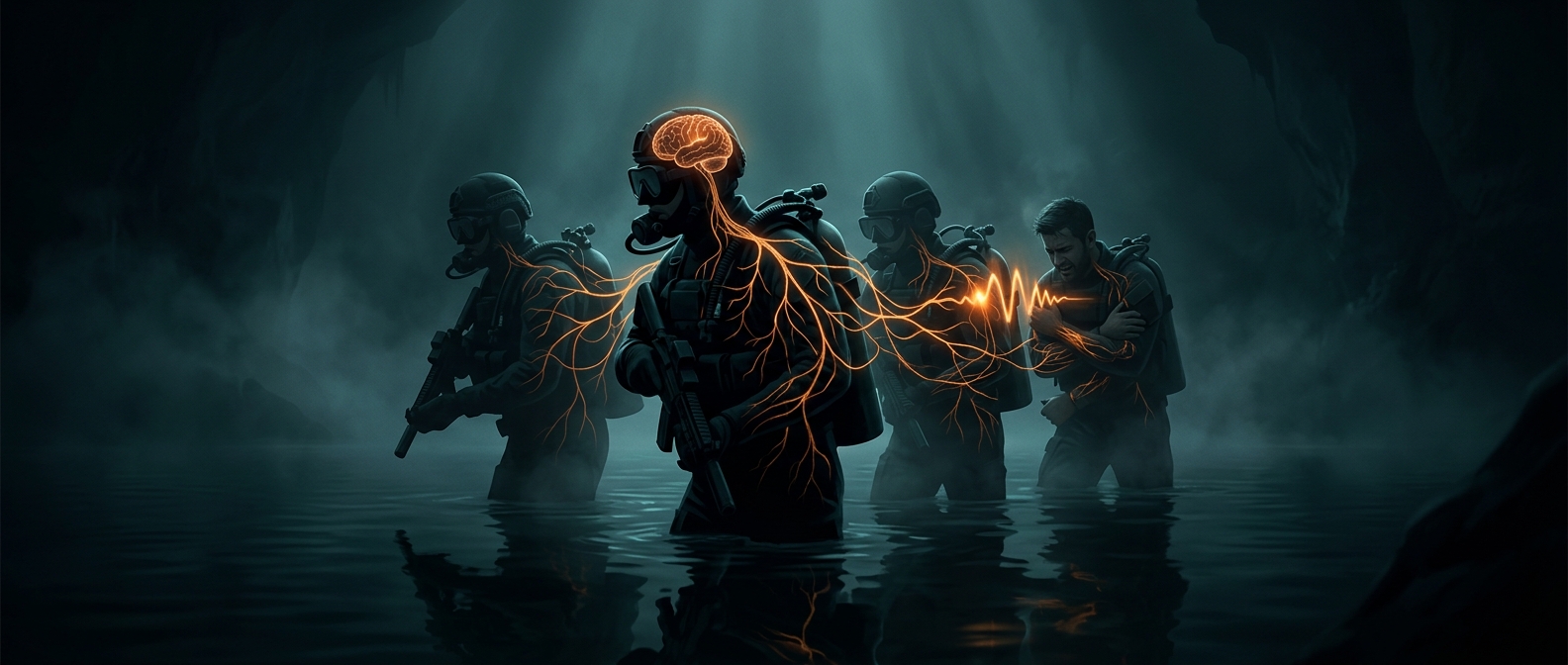
People commonly make sacrifices for those they regard as family. Identity fusion can extend a similar sense of personal obligation to a larger group. A person may accept serious risks because protecting fellow members feels like protecting part of themselves. In that frame, an act that looks like self-sacrifice to an observer can feel like defense from within.
This is not the same as saying every strongly committed group member will become violent. Fusion describes a powerful bond, not a guaranteed action. What someone does also depends on what they believe is happening, which actions their group endorses, and the choices available to them.
The stakes of perceived threat
The mechanism matters because a message framed as an attack on a group can land differently from criticism of an idea. When group identity is fused with personal identity, condemning the group may be heard as condemning the person—and can intensify a sense of danger or obligation. Understanding that connection helps explain the emotional logic behind extreme risk-taking without treating it as inevitable or excusing the harm it can cause.