When the Silence Became Part of the Scene
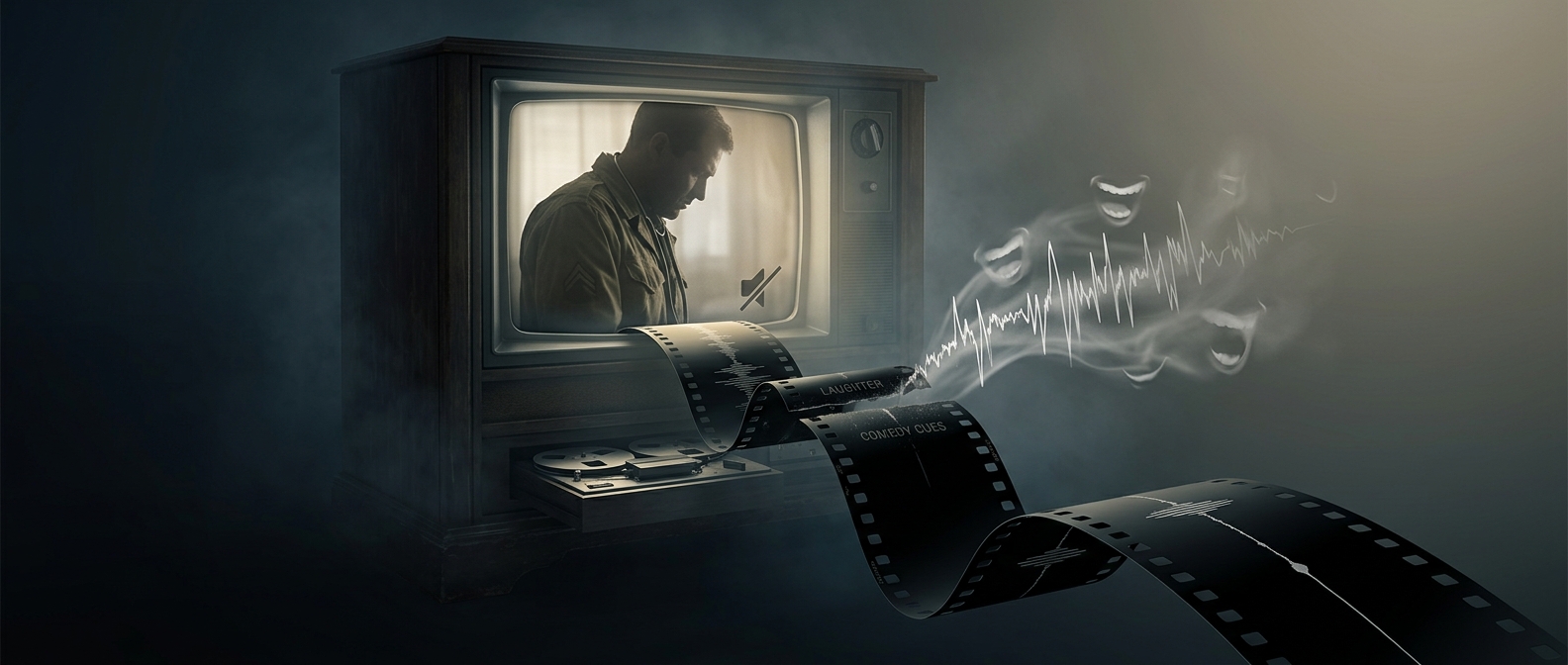
A laugh track is prerecorded audience laughter mixed into a show’s soundtrack. In MASH*, its absence changed more than the sound between jokes: it let scenes shift from comedy to fear or grief without an audible cue telling viewers how to respond.
That mattered in the operating room. Surgeons work against the clock, and the show’s medical scenes could be tense even when the characters cracked jokes. A burst of canned laughter after a line in that setting risked breaking the scene’s realism. The U.S. broadcast compromise left those moments quiet while retaining laughter elsewhere.
One Show, Two Rhythms
The BBC’s British broadcasts removed the laughter throughout. Without it, jokes had to land through the actors’ timing and the scene itself, rather than through a chorus of recorded laughs. The result could feel less like a conventional American sitcom and more like a comedy-drama whose humor and seriousness share the same space.
The difference also changes pacing. Laughter on a soundtrack creates a pause after a punchline; without it, dialogue and action can continue more quickly, or a joke can pass with little emphasis. The same performance can therefore feel warmer, sharper, or more awkward depending on whether the soundtrack supplies a reaction.
The British version made that choice consistent from scene to scene. A quiet moment in the operating room was no longer a special exception to the sitcom format; silence became part of the show’s overall rhythm.