How a Studio Audience Gets Its Cue
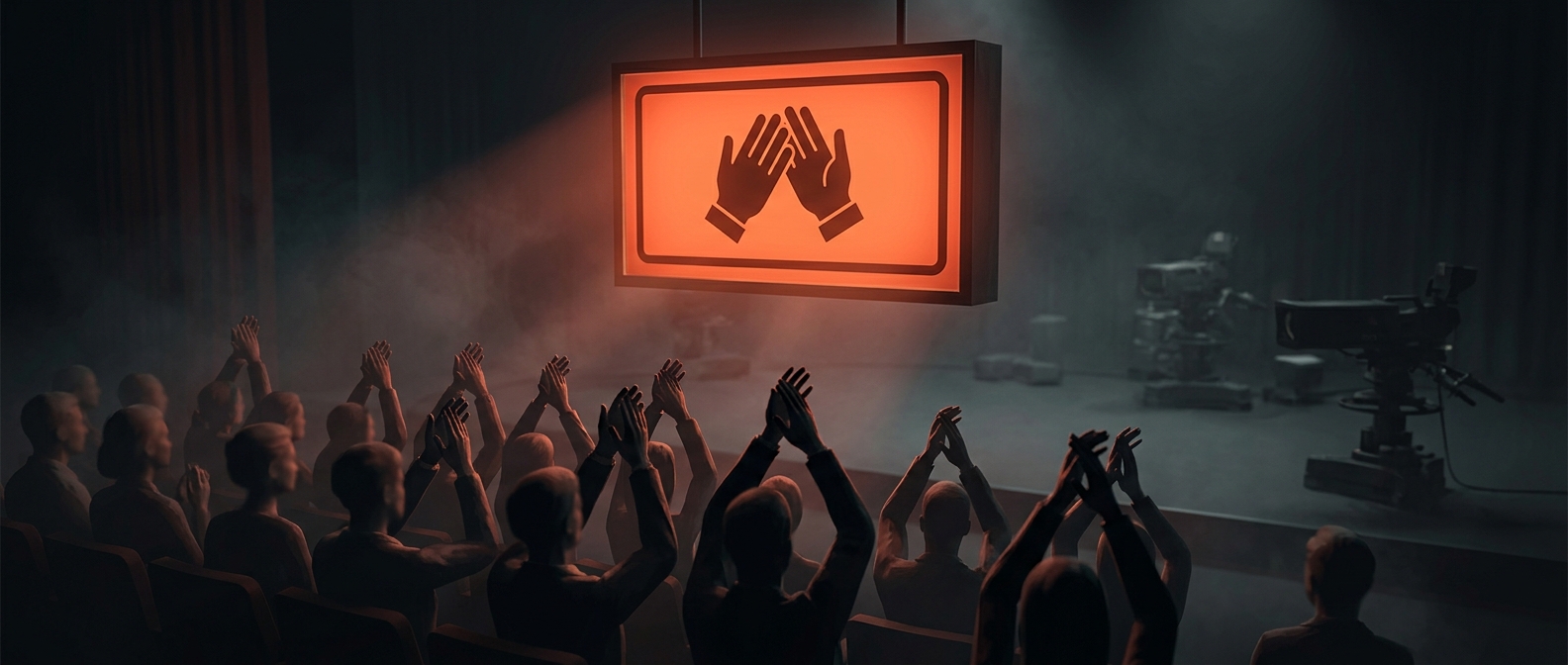
A television audience is part of the production, not just a group of spectators. Before filming, a stage manager may explain how the show will run and signal when applause or cheering is wanted. During a taping, that cue can come from a gesture, an announcement, or a sign visible to the crowd.
The signal helps solve a practical problem: a camera captures one moment, but a studio audience may not know exactly when the show needs a reaction. A cue gives hundreds of people a shared starting point, so applause arrives together instead of trailing off in scattered pockets.
Why the Timing Matters
Game shows move through introductions, questions, reveals, and transitions on a tight schedule. Applause can cover a set change or give a contestant a moment to react, while a burst of cheers can emphasize a win. If the crowd responds too early, it may overlap with dialogue; if it responds too late, the energy can miss the moment the director is trying to capture.
That does not mean every reaction is fake. The cue organizes when the audience responds, but people still decide how loudly to clap or whether to cheer. A sign can prompt a reaction; it cannot make every person feel the same thing.
The Reaction You See on Screen
Editors select camera shots and trim pauses, shaping how the audience’s response fits the finished program. The result is a polished rhythm: contestants speak, the crowd reacts, and the show moves on. What looks like a spontaneous wave of excitement may have been carefully timed—while still being made by real people in the room.