Why San Francisco’s Morning Fog Gives Way
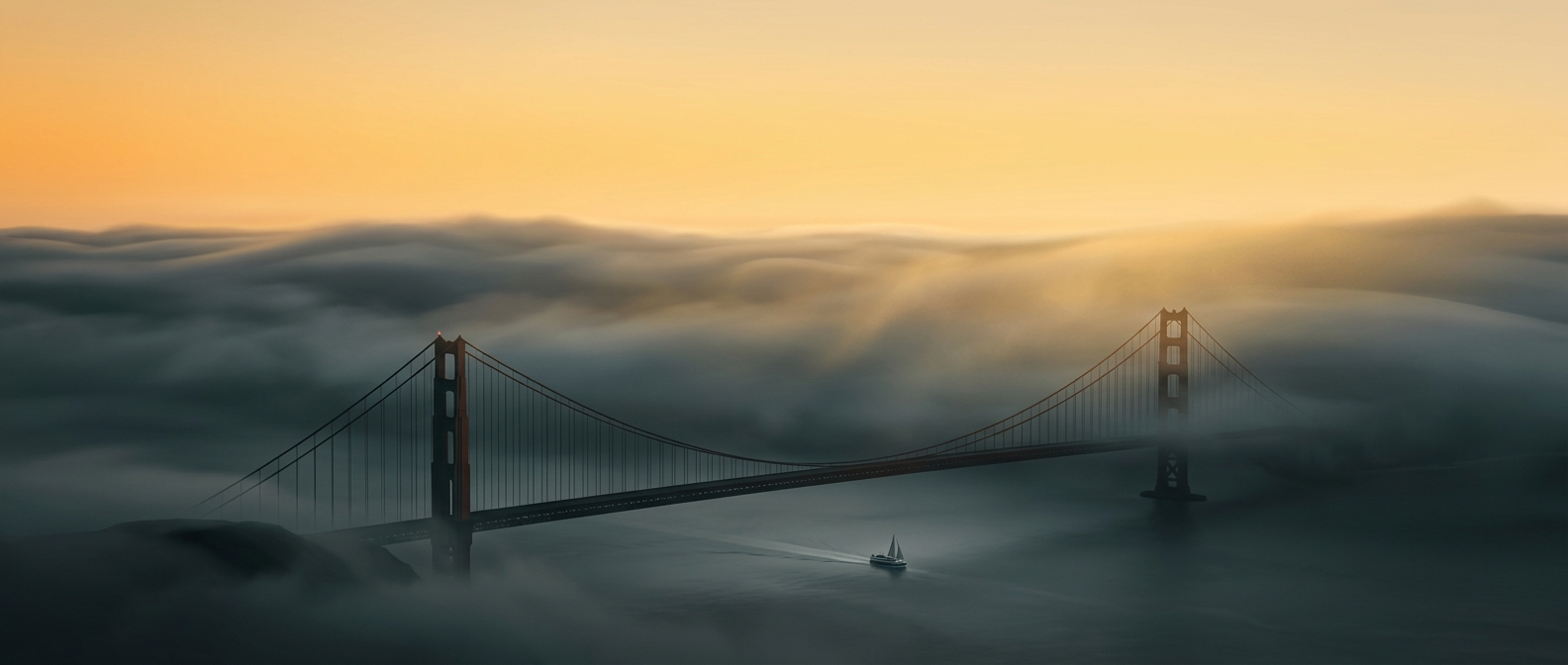
The gray blanket is usually marine-layer fog: cool, moist air that forms above the Pacific and is pushed toward shore. The cold ocean keeps that air near the surface, where moisture condenses into tiny droplets. Overnight and early in the day, the layer can spill through the Golden Gate and settle over the city.
As the land warms after sunrise, the air over inland California heats faster than the air over the ocean. That temperature contrast helps draw the marine layer inland and upward. Sunlight and mixing with warmer air can then thin the fog, while breezes may push its edge back toward the coast. It does not literally burn away; the droplets evaporate as the air warms and dries.
A City of Several Microclimates
The change is rarely uniform. Fog can linger in western neighborhoods near the ocean while eastern parts of San Francisco brighten, and the hills may sit above or inside the cloud layer. Some days the fog retreats by early afternoon; on others, a stubborn marine layer keeps the city cool and gray longer.
That shifting boundary is why a short trip across town can feel like a change of season. A morning jacket may be welcome near the water, even when sunshine is already warming neighborhoods farther inland.