Why the Pacific Coast Highway Resists a Fast Crossing
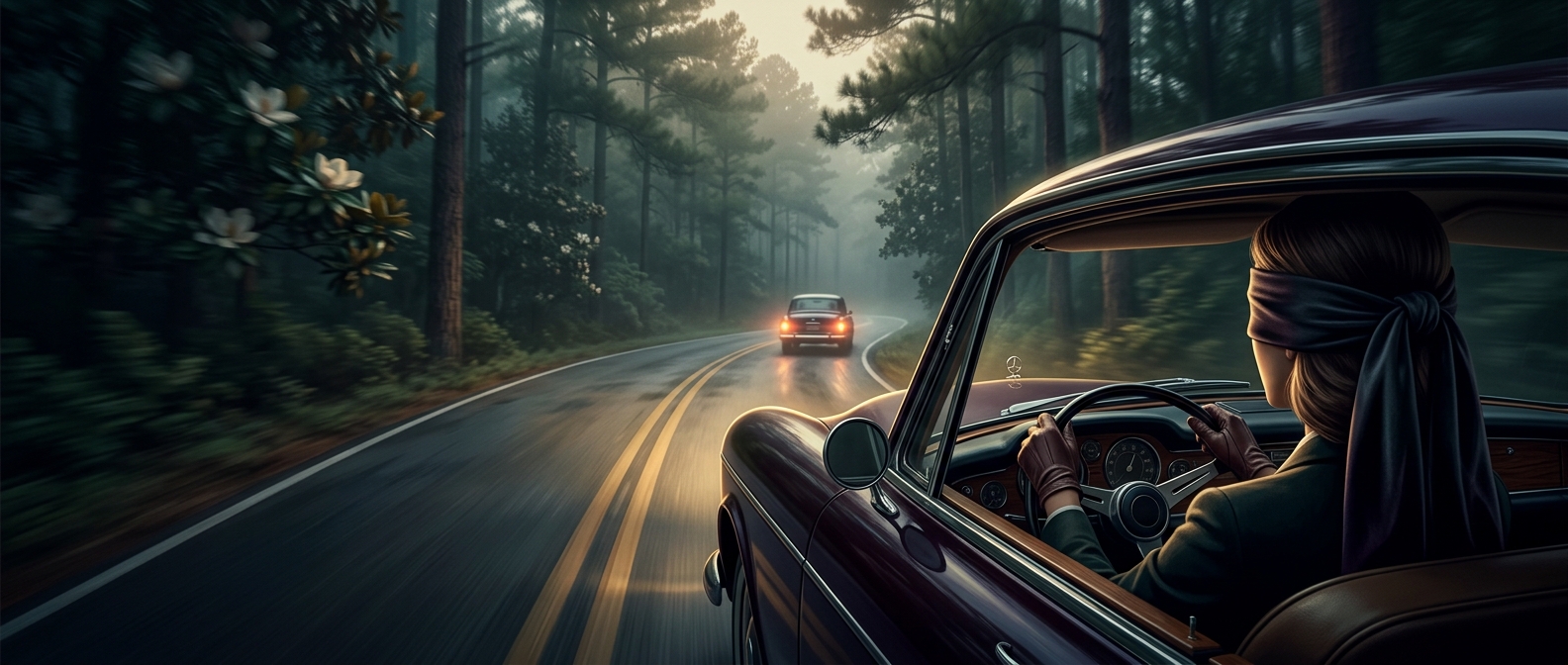
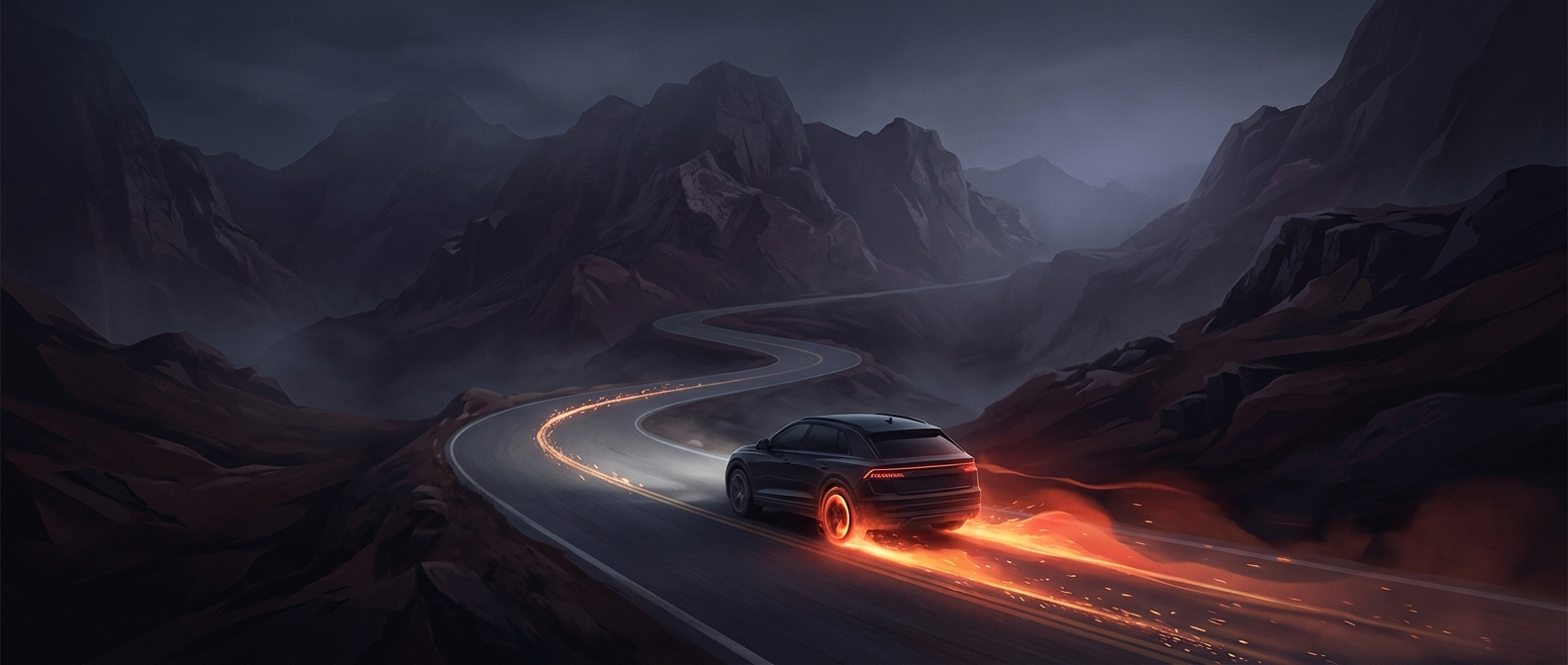
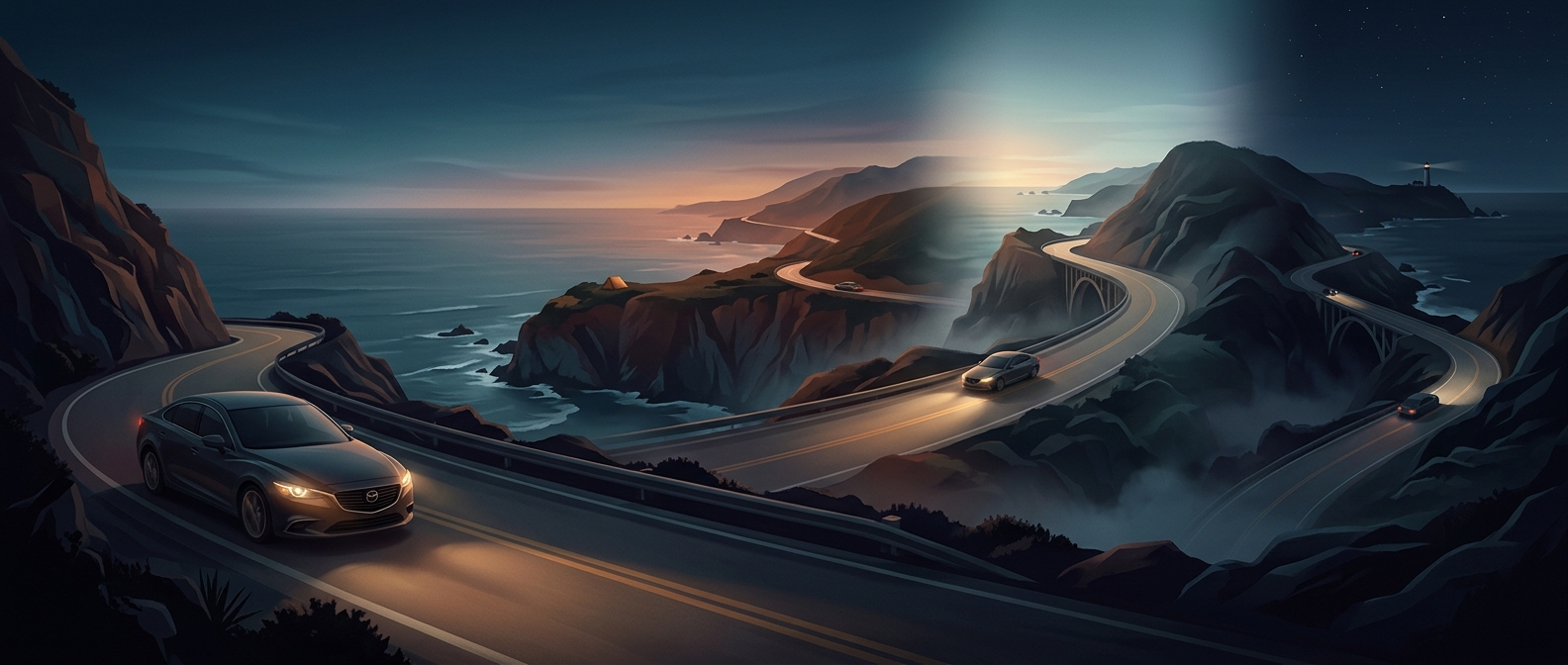
A coastal route can look short on a map and still take a long time to drive. Along much of the Pacific coast, the road follows the shape of the land rather than cutting straight across it. Headlands, steep slopes, and narrow valleys force bends that lower speeds and make passing harder than on a wide, straight highway.
The Road Is Part of the Destination
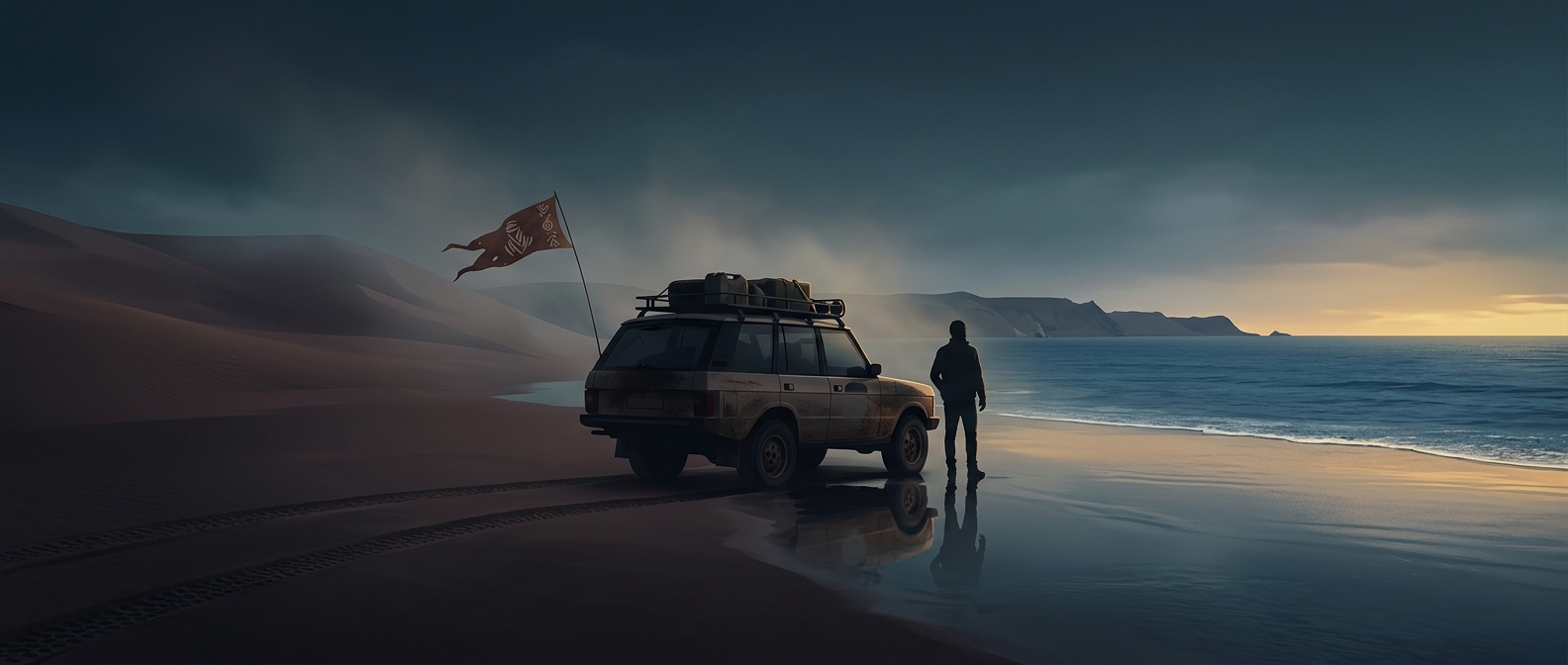
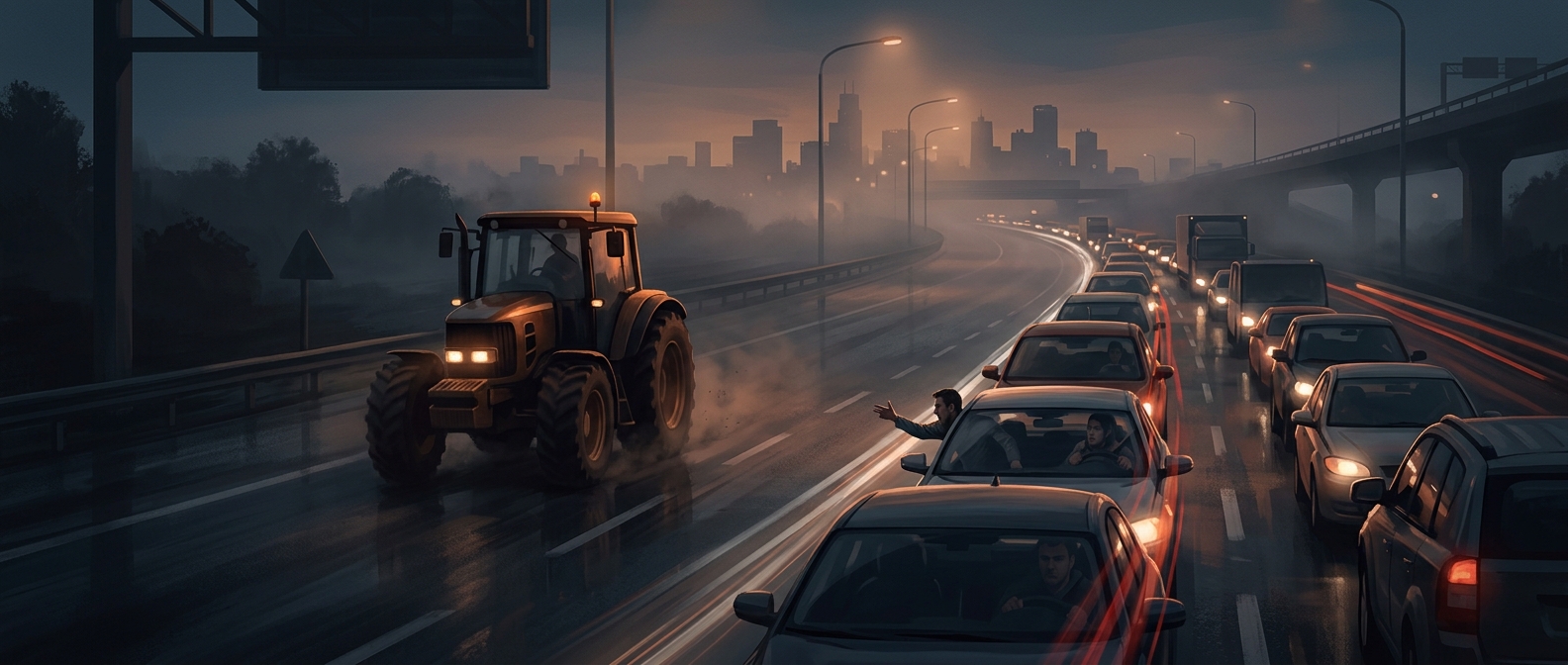
The route also serves coastal towns and overlooks, not just drivers trying to get somewhere. Traffic may slow where the road passes through a town, where vehicles turn into viewpoints, or where drivers pause to take in the ocean. Those stops are not interruptions to the experience so much as one of its main attractions—and they can make travel times unpredictable.
Planning the drive as a multi-day trip leaves room for those natural pauses and for exploring along the way. Trying to cover the whole coast in one push means treating a winding scenic road like a direct highway, even though its geography and everyday use make it anything but one.