How a Repeating Beat Can Hold Attention
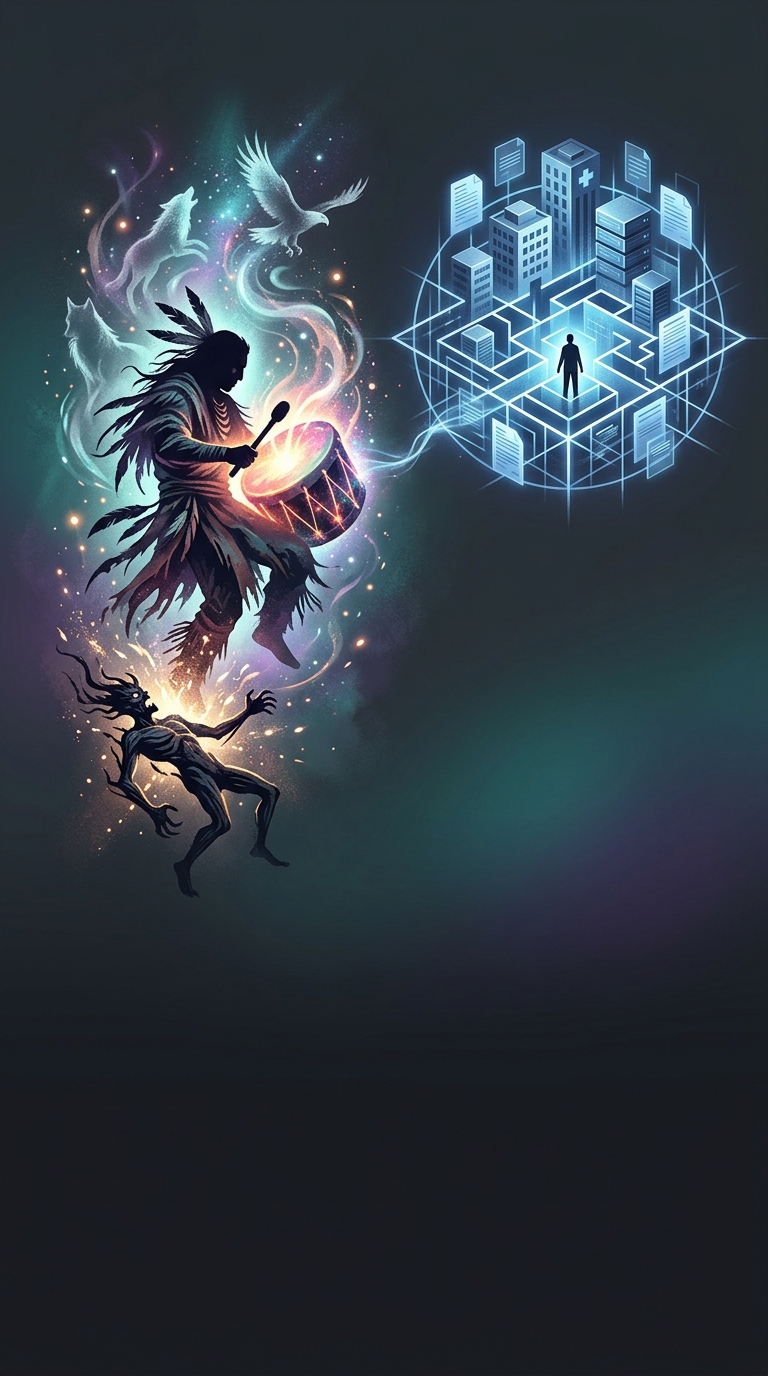
A drum’s regular pulse gives practitioners something steady to focus on. As the beat continues, attention can become less occupied with changing sounds and activity around the person and more absorbed in the ritual. In this context, trance means an altered state of attention, not necessarily unconsciousness.
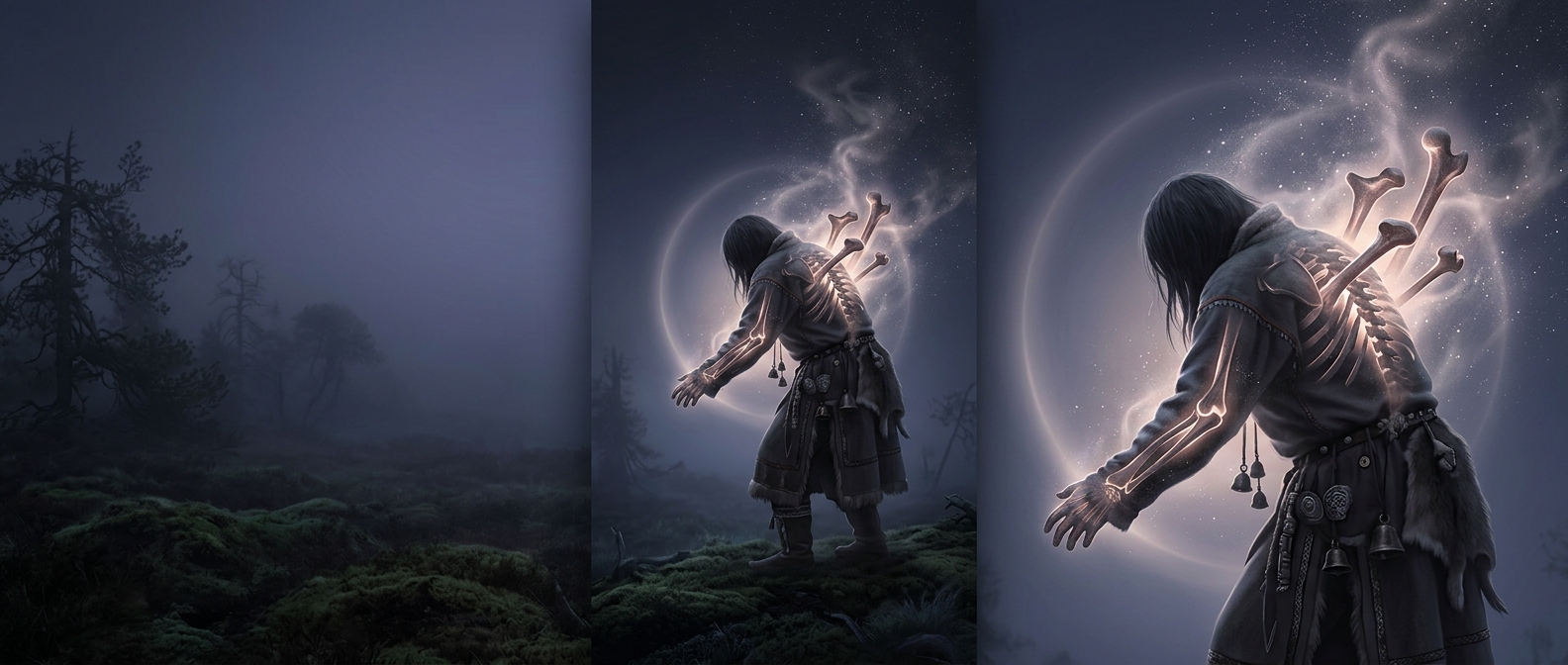
The rhythm is not acting alone. The ceremony gives the sound meaning: practitioners may understand the experience it helps bring about as a spiritual journey. That expectation can shape how sensations, images, or a feeling of leaving the body are interpreted.
A Ritual Without Drugs
The drum provides a repeated, audible cue that can sustain the trance without a drug. Its regularity also makes it possible to keep returning attention to the same pattern, rather than following a sequence of changing instructions. The resulting visions and out-of-body experiences are meaningful within practitioners’ spiritual traditions; describing how rhythm and ritual focus attention does not establish that a person literally travels outside the body.
Himalayan traditions are not all identical, so the drum’s role and the meaning of trance can differ between communities. The striking idea is that a simple, repeated sound can serve both as a practical focus for attention and as a central part of a spiritual practice.