What an exclusive NFL license actually buys
The valuable part of the deal is not simply permission to put an NFL logo on a cover. It gives EA the right to make the officially licensed NFL simulation—and keeps other publishers from making a competing game in that category while the exclusivity applies. Team names, uniforms, stadiums, and league branding help make the game feel like a playable version of the real NFL rather than a fictional substitute.
That distinction matters because a rival can still make a football game. It can invent teams and players, or pursue a different style of play. What it cannot do under the exclusive arrangement is offer the same kind of officially branded NFL simulation. So fans seeking that particular combination of real teams and simulated football have one publisher to turn to.
Why the deal changes the market
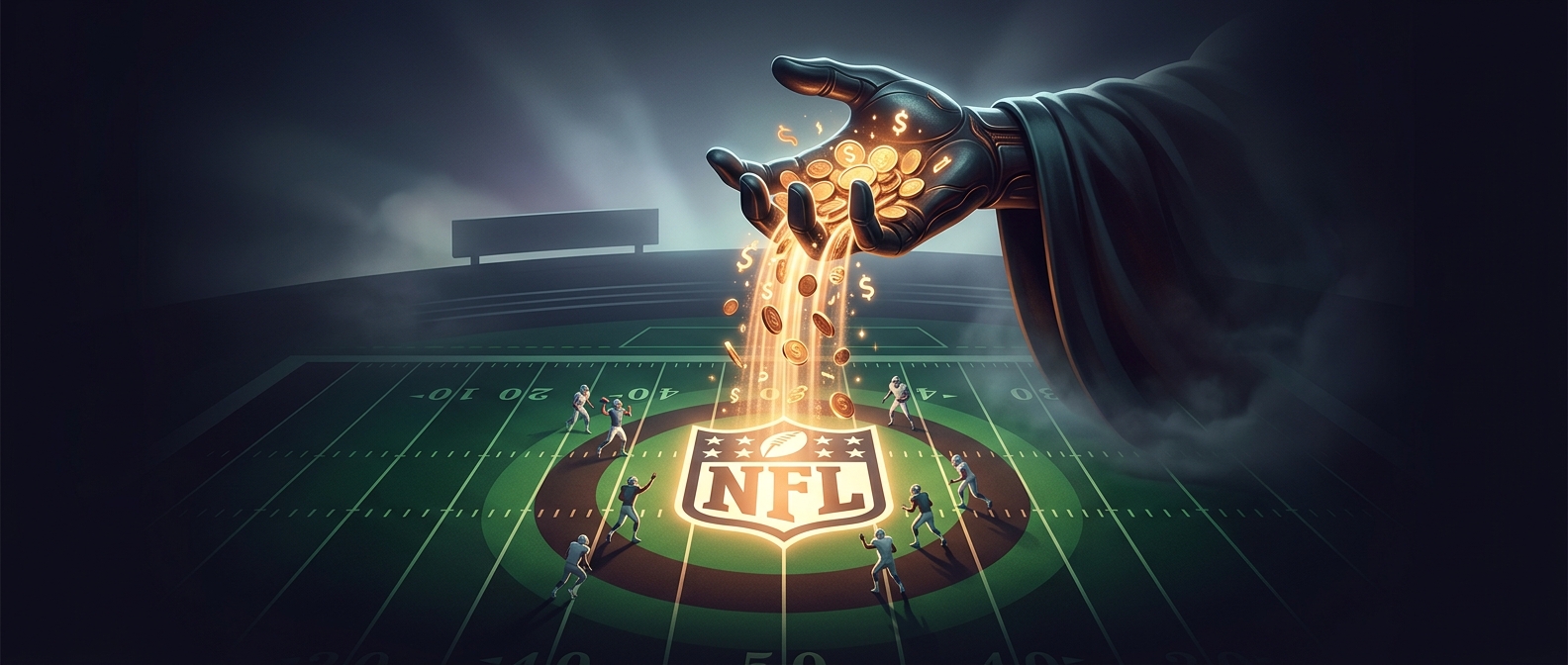
For EA, a license costing hundreds of millions is a large fixed commitment: the company pays for access before it knows how well any particular edition will sell. In return, exclusivity gives it a protected position that a rival cannot challenge simply by making a similar game with authentic NFL branding. The license also gives the league a single game partner rather than several publishers competing to present the official product.
The tradeoff is that competition shifts elsewhere. Other games can try different rules, presentation, or fictional leagues, but they cannot directly compete for players who want an officially licensed NFL simulation. The license does not eliminate football games; it reserves the official NFL simulation lane for EA.