The missing ingredient was permission, not technology
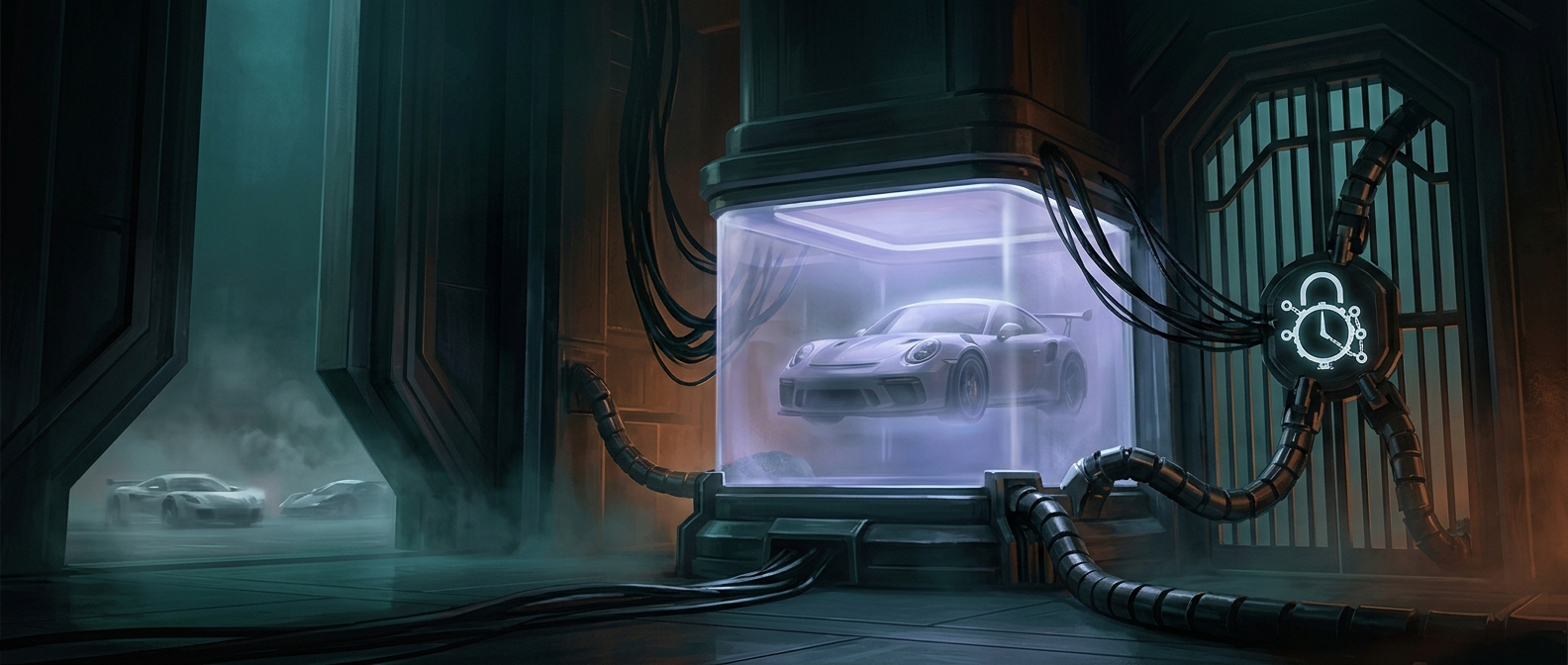
Rival racing-game studios did not lack the ability to model a Porsche. The obstacle was the right to present a car as a Porsche: manufacturers control licenses for their names, badges, and designs. A game could build a convincing sports car, but showing the Porsche crest and identifying it as a real model required authorization.
For years, an agreement gave Electronic Arts exclusive access to Porsche in racing games. That left competing publishers unable to make their own deals for the cars, even if they had the artists and engineers to recreate them. The arrangement lasted nearly two decades, turning a licensing contract into a visible gap across rival games.
Why a substitute could look close but feel different
Some games worked around the absence by featuring cars from RUF, a German manufacturer that modifies Porsche-based vehicles and licenses its own name. Those cars could share much of a Porsche’s underlying shape or heritage, but they were not presented as licensed Porsche models. For players, the difference was more than a badge: it affected the car roster, branding, and the pleasure of driving a specific famous model.
Once competing publishers were allowed to license Porsche, they could include the cars under their own agreements. The change did not require a breakthrough in graphics. It changed who had permission to put the marque on screen—and made a contract, rather than a technical limit, the reason a familiar car had been missing.