Why Tony Hawk chose royalties over a guaranteed check
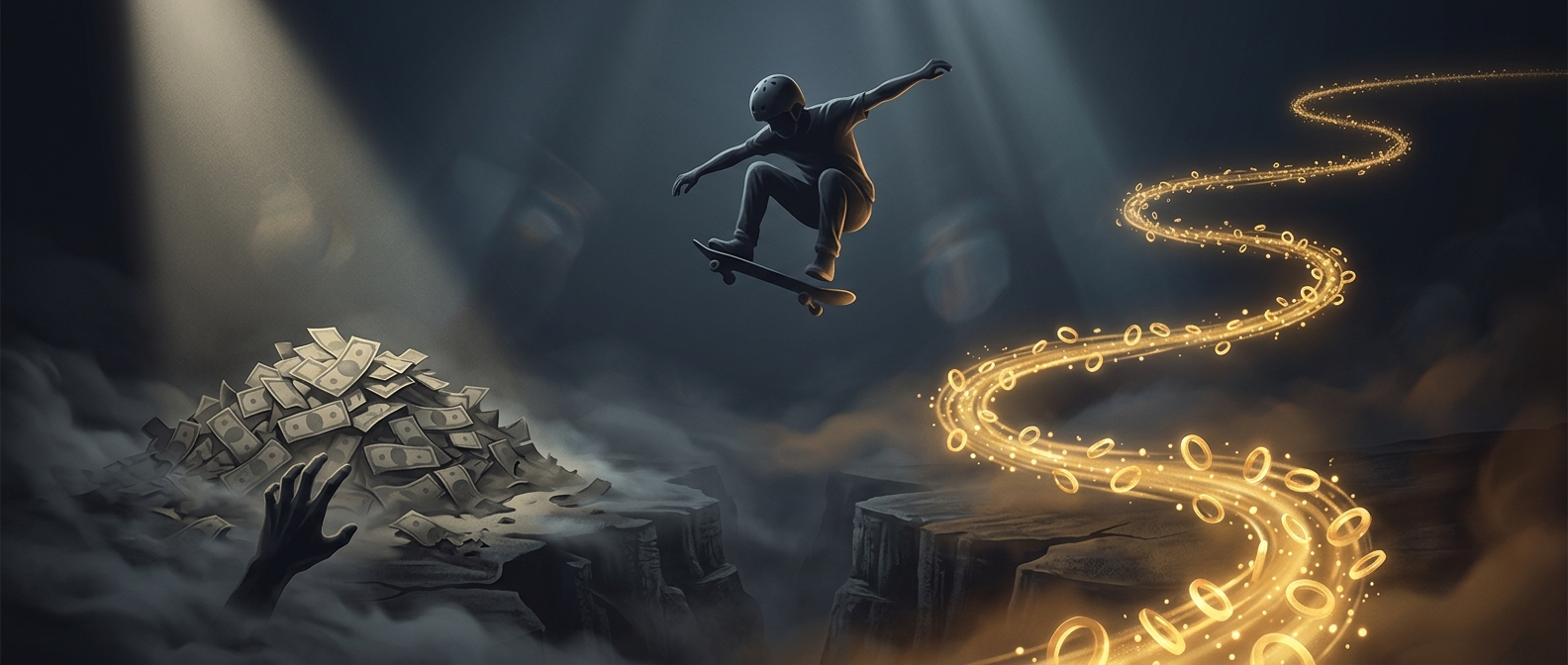
A $500,000 upfront payment would have settled the value of Tony Hawk’s name before anyone knew how well a skateboarding game could sell. By turning it down, Hawk kept a stake in what happened next: instead of receiving only a fixed fee, he could benefit as the game found an audience.
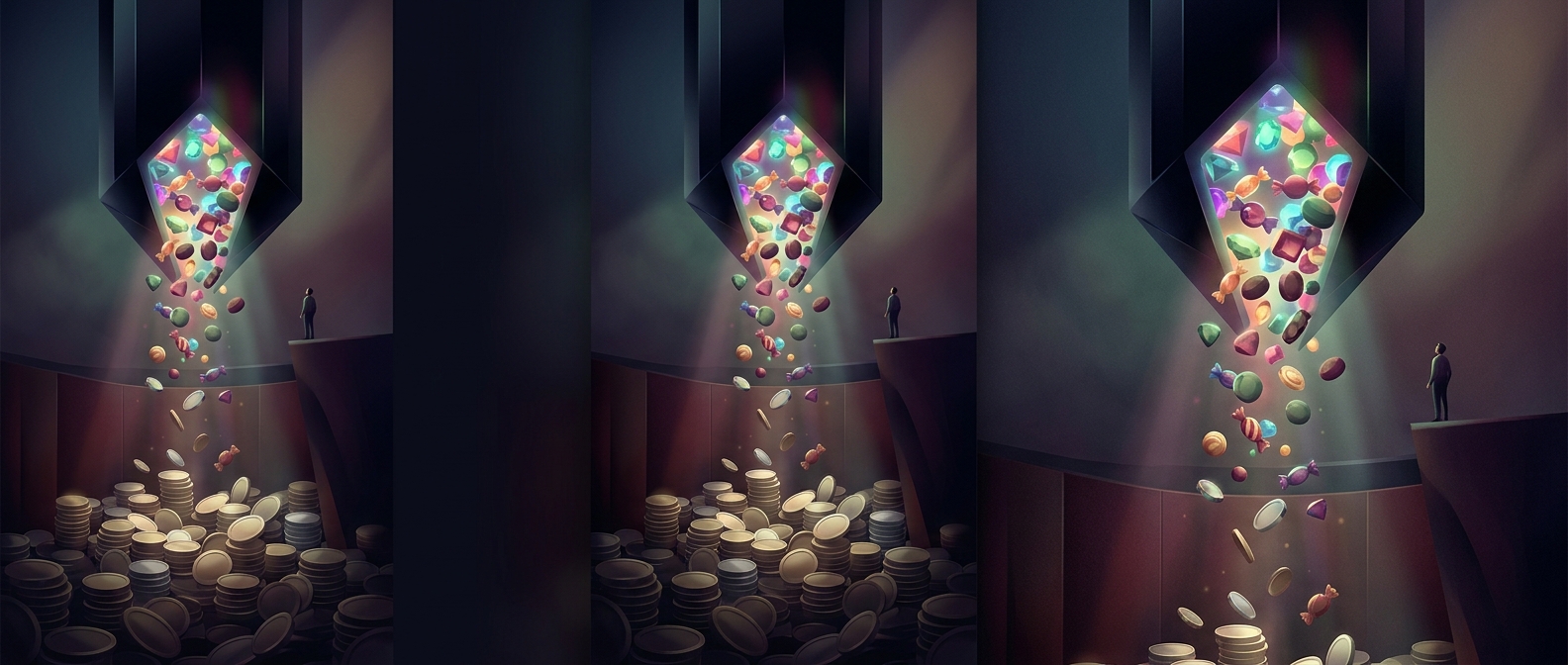
That is the difference between a buyout and a royalty. A buyout pays once, whether the product becomes a hit or not. A royalty ties compensation to sales, so it may bring in less—or nothing beyond an initial payment—if a product falters, but can grow dramatically if demand lasts.
A name became part of the product
In a sports game, a star’s name is more than a label on the box. It helps signal what players are buying: the athlete’s style, reputation, and connection to the sport. The game’s success can therefore make that name more valuable, while the athlete’s involvement can help make the game appealing in the first place.
That creates a real gamble in both directions. Hawk gave up the certainty of the offer and accepted the risk that the game might not sell. In return, he was positioned to share in the upside if it did. The decision paid off as the Tony Hawk game series became a hit and the deal ultimately earned him millions.
The memorable part is not simply that he rejected a large sum. He chose a payment structure that made his earnings depend on whether players kept buying the game—turning his reputation into a continuing stake rather than a one-time price.