The advantage of a printed guide was convenience
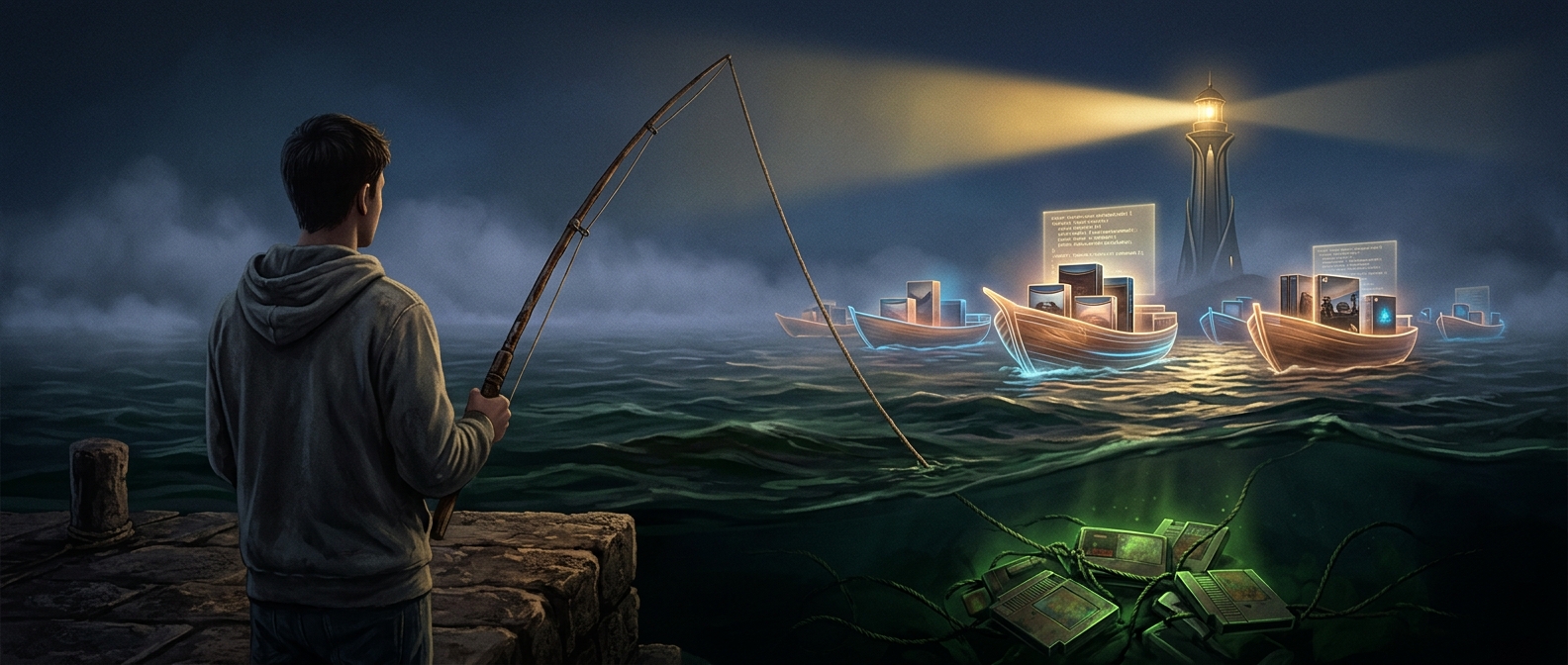
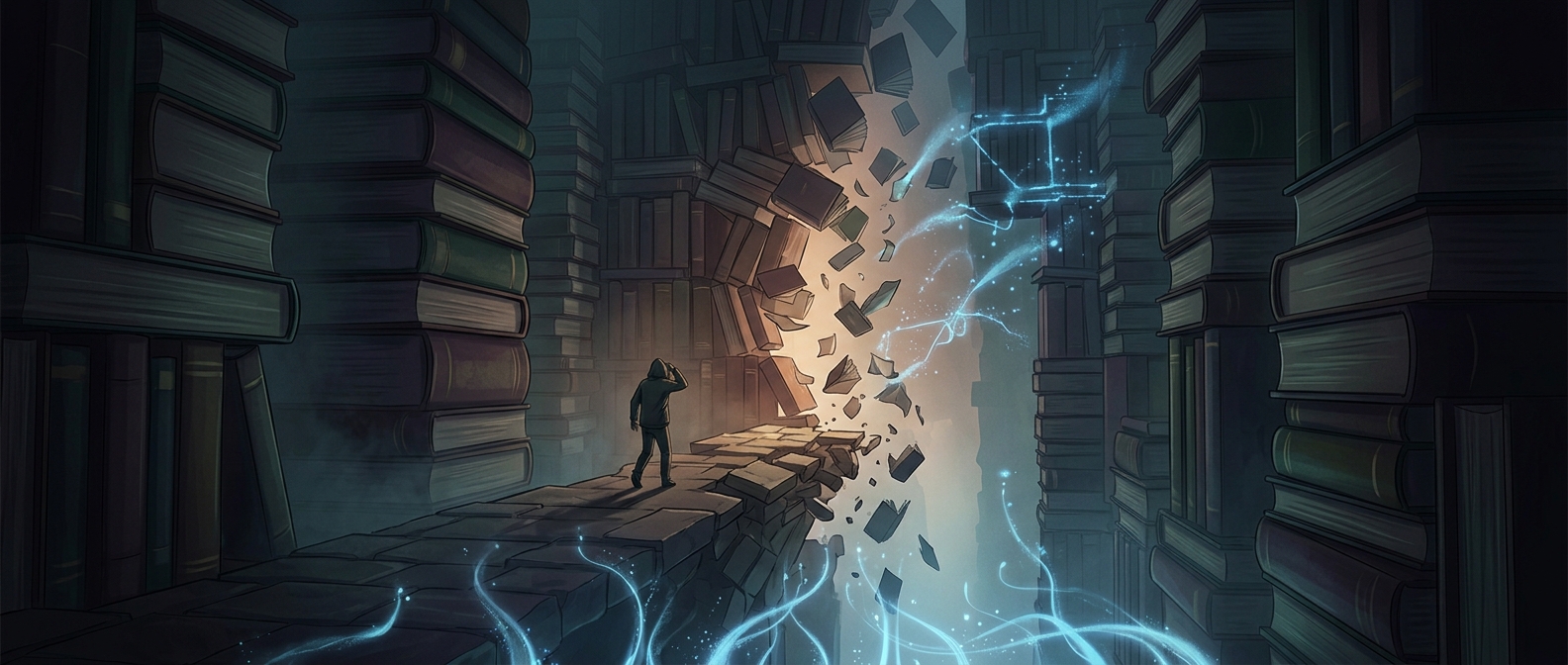
A printed game guide gathered useful information in one place: how to get through a difficult section, where to find an item, or what a puzzle required. Before widespread online walkthroughs, that organization could save players hours of trial and error. A book also worked beside the game without requiring a player to search, switch screens, or know the right terms to type.
But print had a costly weakness: it was fixed. A guide had to be written, edited, printed, and distributed, while players might want help with one specific obstacle. Buying an entire book for a single answer could be difficult to justify.
The web changed what players paid for
Online walkthroughs made answers searchable and often free. A player could look up the exact level or puzzle, read a fan-written explanation, and return to the game. The internet also let many people contribute separate discoveries, rather than requiring one publisher to assemble and sell a complete guide before release.
That changed the value proposition. The printed guide was no longer the only convenient source of organized help; for many players, a quick search was enough. And if an explanation was unclear or incomplete, other posts could offer alternatives.
Guides lost their monopoly on help
The shift was not simply from paper to a screen. It moved the work of documenting games toward communities that could publish answers quickly and make them easy to find. Printed guides could still offer a polished, collected reference, but they had to compete with information available at no purchase price.
The practical consequence was stark: a player who needed one solution could get it without buying every other page in the book.