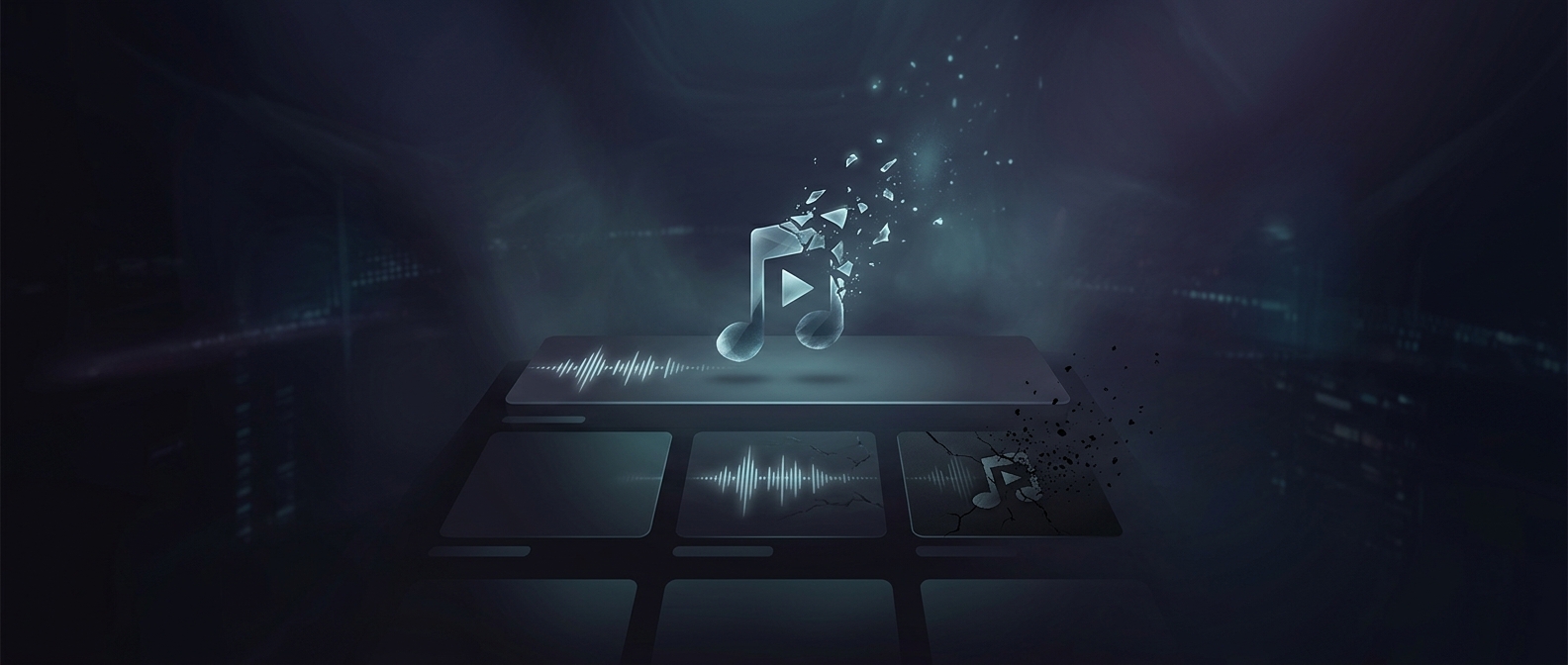
A song in a game has more than one set of rights
A punk track may sound like a familiar bundle of distorted guitars and shouted vocals, but the recording is still someone’s specific work. Using it in a game generally requires permission for both the composition (the music and lyrics) and the recording—often controlled by different people or companies. Those permissions can be limited by time, territory, or platform.
When a license expires, the publisher may need to negotiate again with every relevant rights holder. If the cost or effort no longer makes sense for an older game, the publisher might stop selling it rather than renew the music rights.
Why the whole game can vanish
A storefront sells the game as a package; it does not usually let a publisher keep selling every part except one unlicensed song. If the soundtrack is woven through gameplay, menus, or cutscenes, removing it can also require technical work and testing. Delisting the game—taking it off sale—is sometimes the simpler option.
That does not automatically mean existing owners lose access. Whether a purchased copy remains playable, or whether an update changes its music, depends on the game and the publisher’s decisions. The rights issue most directly affects continued distribution: new players may no longer be able to buy the original version.
“Generic” is not the same as interchangeable
A track that feels like generic punk rock may be replaceable in spirit, but not necessarily in the game’s licensed files. Swapping it for a sound-alike means choosing another recording, securing its rights, and making sure the change fits the game. So a song that once helped set the mood can eventually become the reason the entire game disappears from a digital store.