The horror is written, not improvised
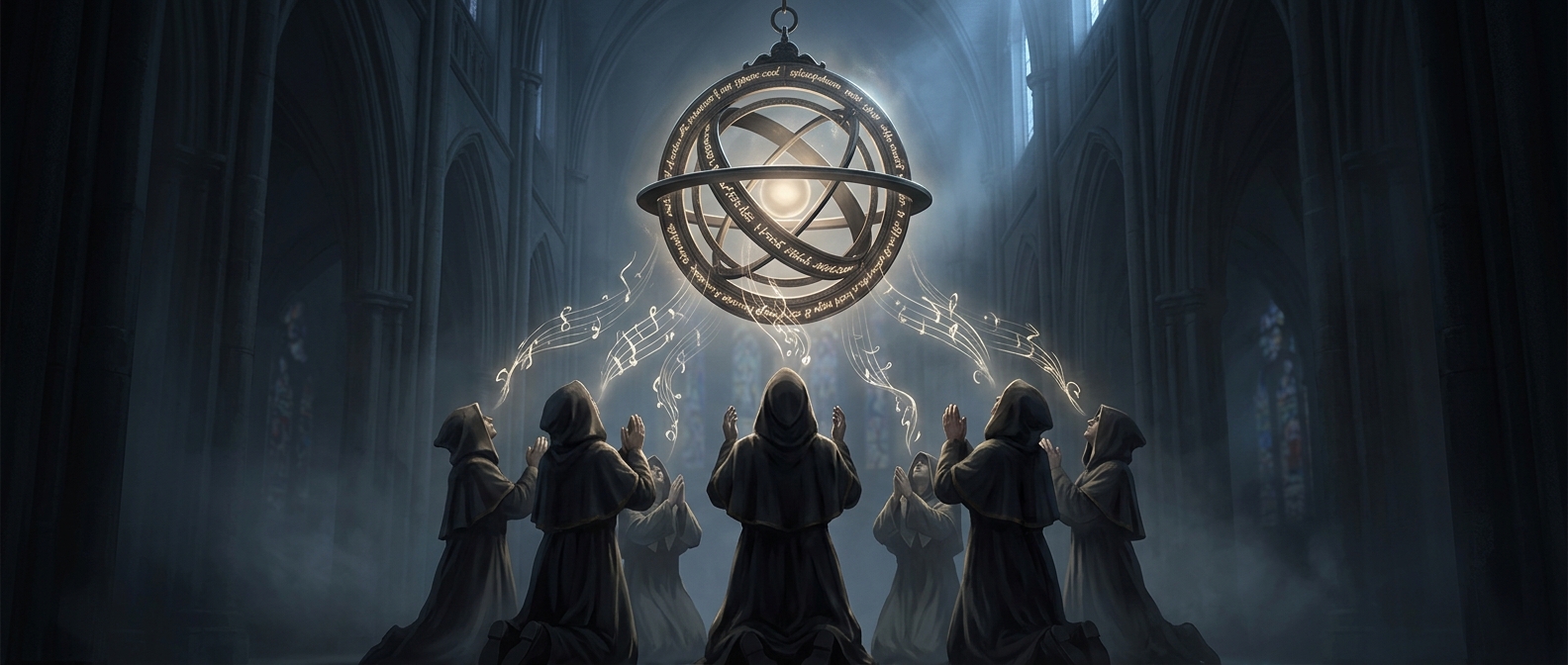
In Bloodborne, the choir’s Latin is more than a string of sounds chosen to feel ancient. Its lyrics form grammatical poetry, with images of blood and eyes that belong to the game’s world. The words give the music a subject: the chant is not simply “ominous” in the abstract, but tied to the body and to the game’s recurring fixation on sight.
Why use a language many players won’t understand?
Latin lets the choir’s voices work on two levels. Listeners can feel the weight of a formal, layered vocal performance without needing to follow every line; those who recognize or translate the words can also find a more specific meaning beneath the atmosphere. The unfamiliar language creates distance, while its concrete imagery keeps the horror connected to what is happening in the game.
That combination makes the lyrics part of the world-building rather than decorative gibberish. The unsettling effect comes not only from how the choir sounds, but from the discovery that its solemn poetry is singing about the same disturbing themes the game keeps placing before the player.