A horseback performance doesn’t require a love of horses
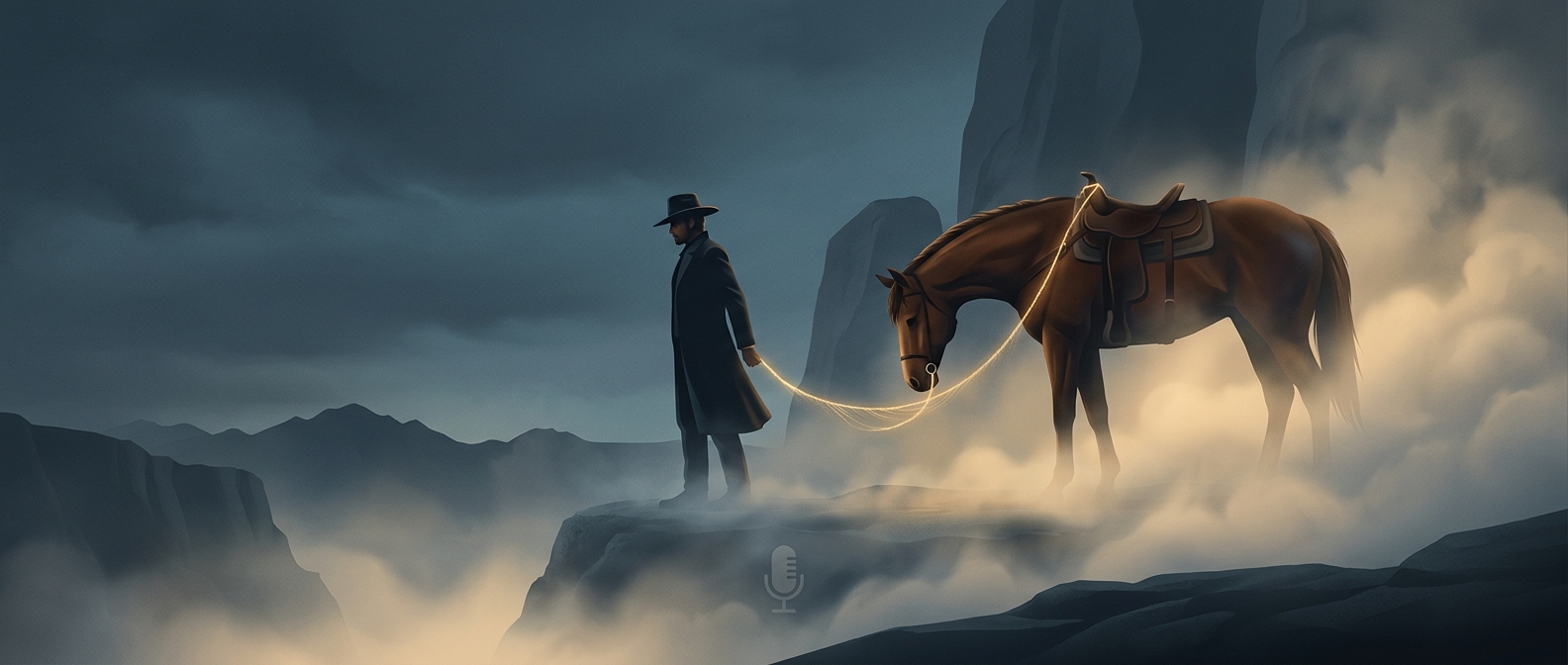
Roger Clark’s work as Arthur Morgan depended on performance capture: actors’ movements and expressions are recorded so they can help shape a digital character’s performance. That is different from simply filming an actor riding a horse on location. In a game, the rider and mount are virtual elements, and their actions can be created and refined through the production process rather than relying on a live horse for every shot.
One character, two kinds of performance
Arthur’s scenes ask Clark to convey a person who spends much of his life on horseback. The player sees that life as a continuous experience: Arthur shifts in the saddle, handles the reins, and travels through the world. But the finished result is built from separate creative tasks—acting, character animation, and the game’s systems for moving a horse and rider together.
That separation helps explain why an actor can convincingly portray a habitual rider without enjoying real horseback riding himself. Playing a mounted character is a job of performance; riding a live horse is a physical activity with its own demands and sensations. Clark’s preference doesn’t contradict the believability of Arthur. It highlights the gap between the person performing a role and the life of the character on screen.