What dim light does to your eyes
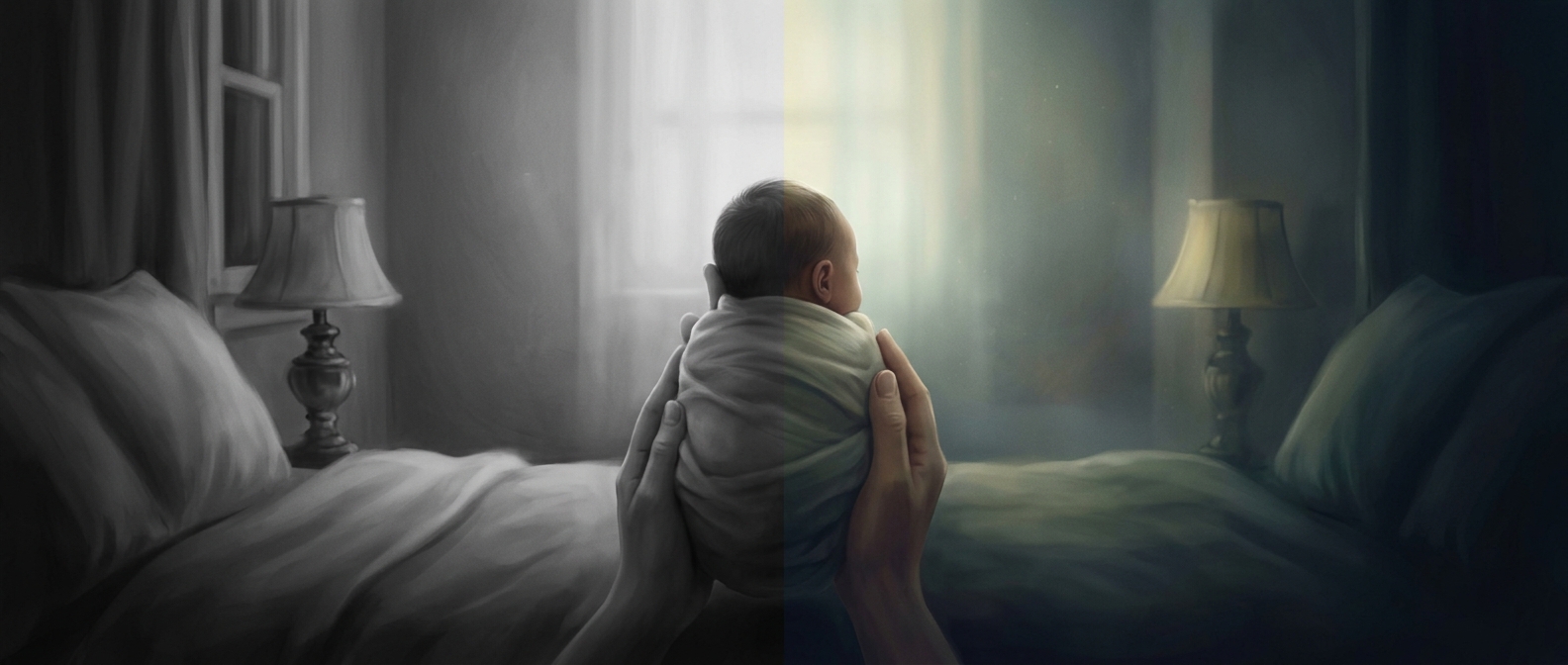
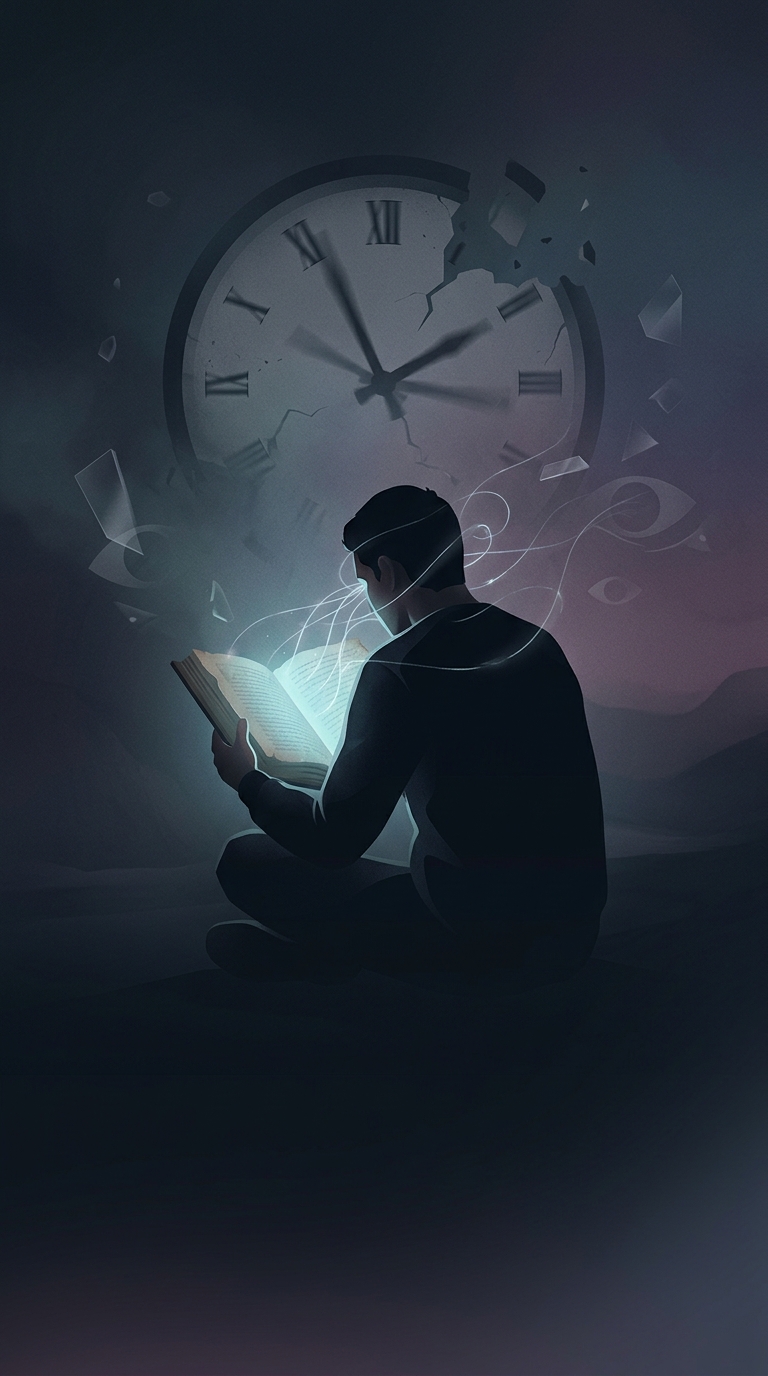
Reading in low light does not permanently damage your eyesight. It can, however, make the task harder. Your pupils widen to let in more light, and your eyes work to keep the words sharply focused. You may squint, hold the page closer, or blink less often—all of which can leave your eyes feeling tired or dry.
That temporary discomfort is called eye strain. It may bring on aching eyes, blurred vision, or a headache, but those symptoms generally ease after you stop reading and rest. They are not evidence that the dim light has changed your eye’s structure.
Why the warning sounds plausible
In brighter conditions, contrast between text and page is easier to see. In dim light, letters are harder to distinguish, so reading can demand more effort and feel uncomfortable. The strain can be especially noticeable when you read for a long time without breaks.
The key distinction is between temporary strain and lasting damage. Poor lighting can make reading unpleasant, but it does not cause permanent nearsightedness or “wear out” the eyes. If print remains blurry even in good light, or discomfort keeps returning, that may have another cause and is worth discussing with an eye-care professional.
A practical fix
Add enough light to make the page easy to see without shining a harsh glare directly into your eyes. If your eyes start to ache, pause, look away, and blink normally. The point of better lighting is comfort—not preventing permanent harm from a habit that, by itself, does not ruin eyesight.