The hidden route between a button and an appliance
A smart device may look as if it responds directly to an app, but the command can take a longer route: from your phone to the manufacturer’s server, then back across the internet to the appliance. The server may check your account, translate the request, or coordinate the device with other services. In that setup, the company’s cloud is part of the product’s control system—not just a place to store settings.
That dependency can be easy to miss while the service is running. Tapping “turn on” feels immediate, and the server work happens out of sight.
What changes when support ends
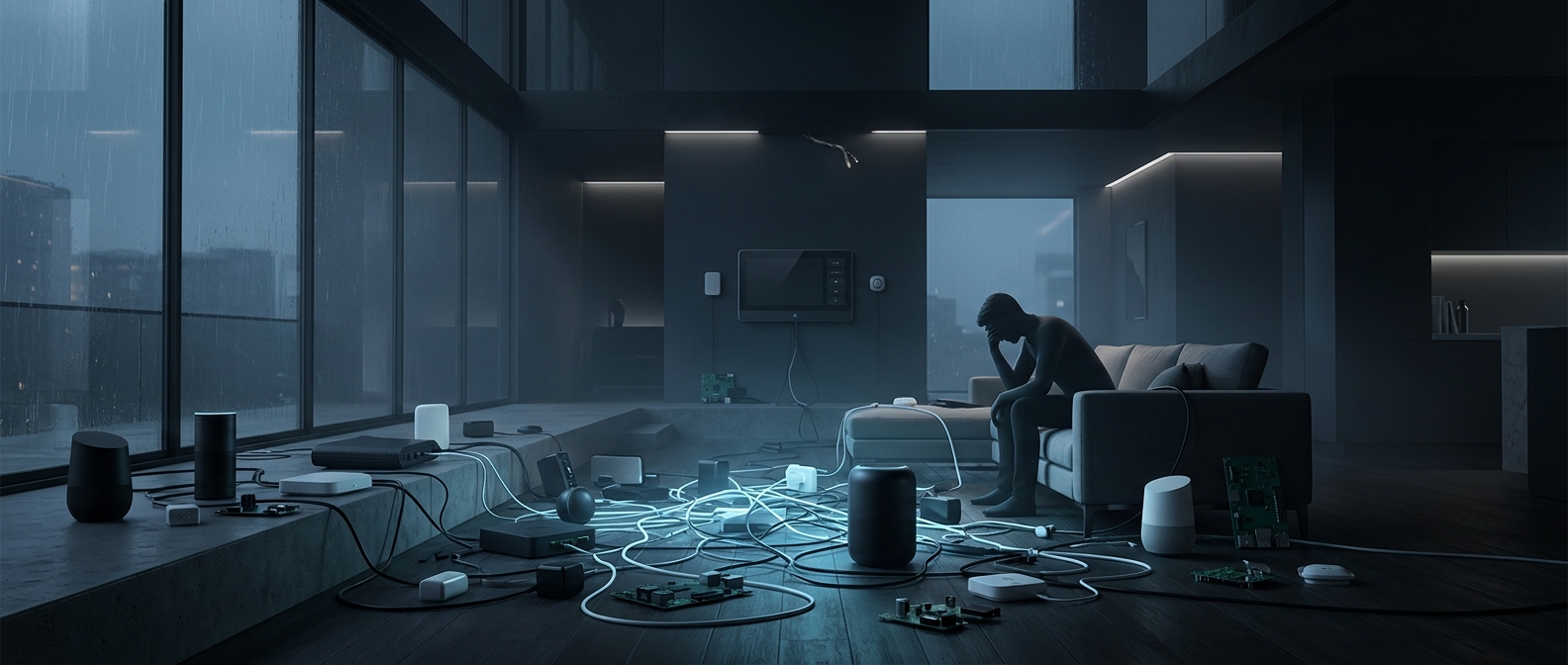
If the company shuts down the servers, the app may still open, but there may be nowhere for its commands to go. Depending on how the device was built, it could lose remote control, scheduling, voice-assistant links, or even basic operation. A physical switch or direct local control may continue to work; a device that requires server authorization to start may not.
The difference lies in where essential decisions happen. A locally controlled device can respond inside the home; a cloud-dependent one needs the company’s service to complete the task. Some products combine both approaches, so losing cloud support can remove features without disabling the appliance entirely.
Convenience has an infrastructure cost
Cloud connections make it easier to control devices from outside the home, update software, and link products from different places. But they also make continued use depend on a company maintaining compatible servers and software. A purchase can therefore carry an ongoing dependency that is not obvious from the appliance itself.
Before choosing a connected product, it helps to check whether basic functions work without internet access and whether the device offers local control. A plain appliance may do fewer clever things, but it does not need a distant server to remember how to switch on.