A city built for car-on-car chaos
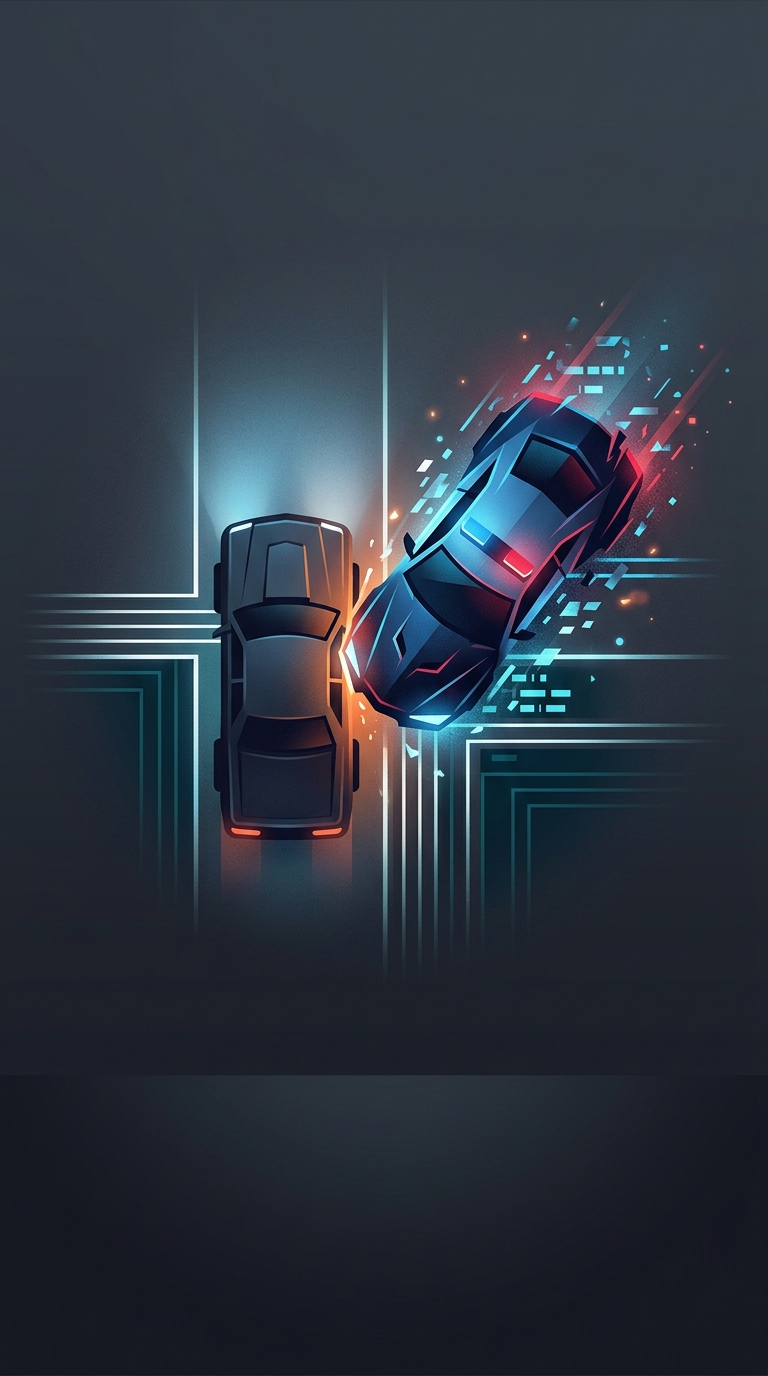
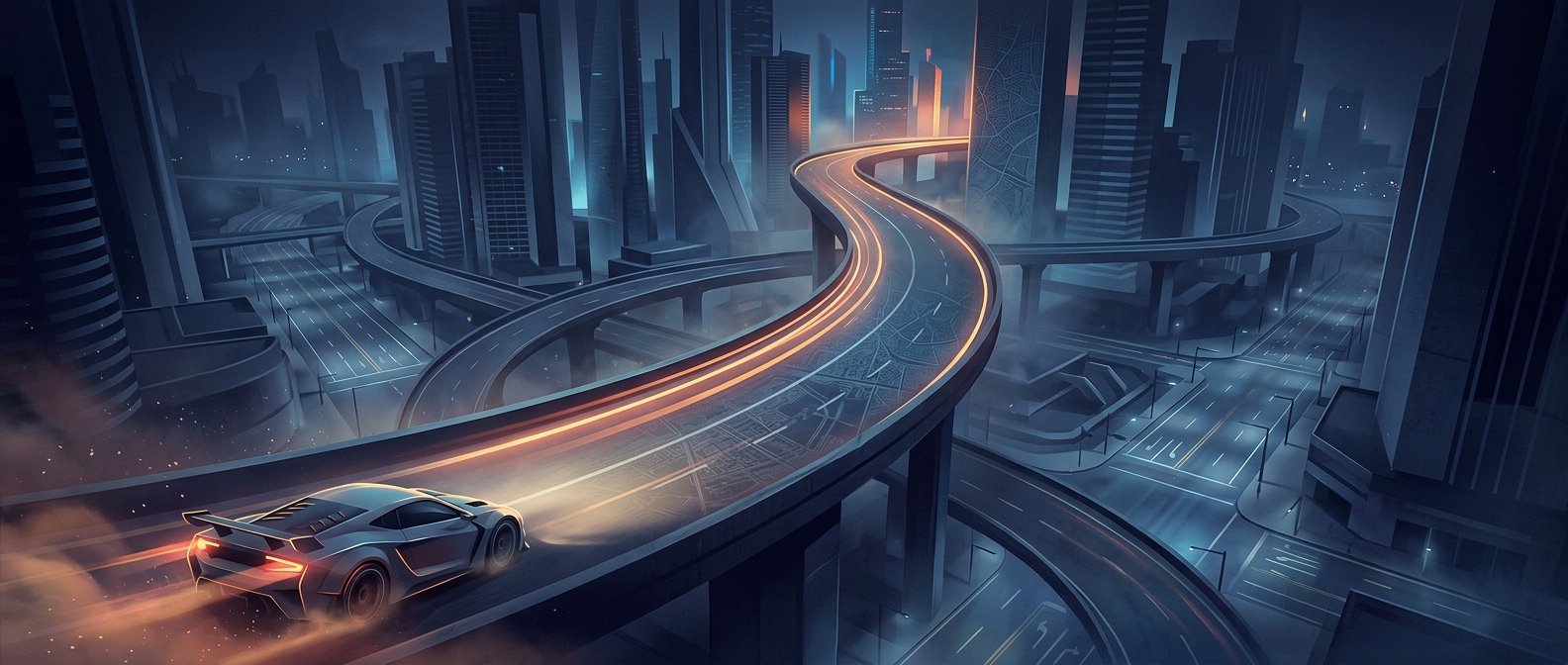
Burnout Paradise makes its streets feel busy with moving traffic, but leaves the sidewalks empty. That omission keeps the game’s most important collisions—cars smashing into other cars, walls, and road furniture—at the center of the action. There are no pedestrians for a crash to strike, so the player’s attention stays on speed, routes, and the next vehicle in the way.
That focus suits a game in which wrecks are part of the spectacle. In a more realistic driving simulation, a collision might bring the story to an abrupt stop. Burnout Paradise instead treats a crash as another dramatic beat: metal buckles, cars scatter, and play quickly returns to the road. Filling the sidewalks with people would introduce a very different kind of consequence and pull against that arcade-like rhythm.
What the empty sidewalks change
The streets can still feel alive because traffic supplies motion and danger. But the city reads less like a place where people go about their lives and more like a vast course for driving. Buildings, junctions, and roadside barriers become parts of the route to master—or obstacles to hit—rather than the backdrop to a pedestrian city.
It is a small visual absence with a clear effect on the game’s tone: Paradise can stage spectacular wrecks while keeping the action confined to vehicles. The result is a world that looks urban, but behaves like a playground designed for cars.