When a Miniature Becomes the Viewpoint
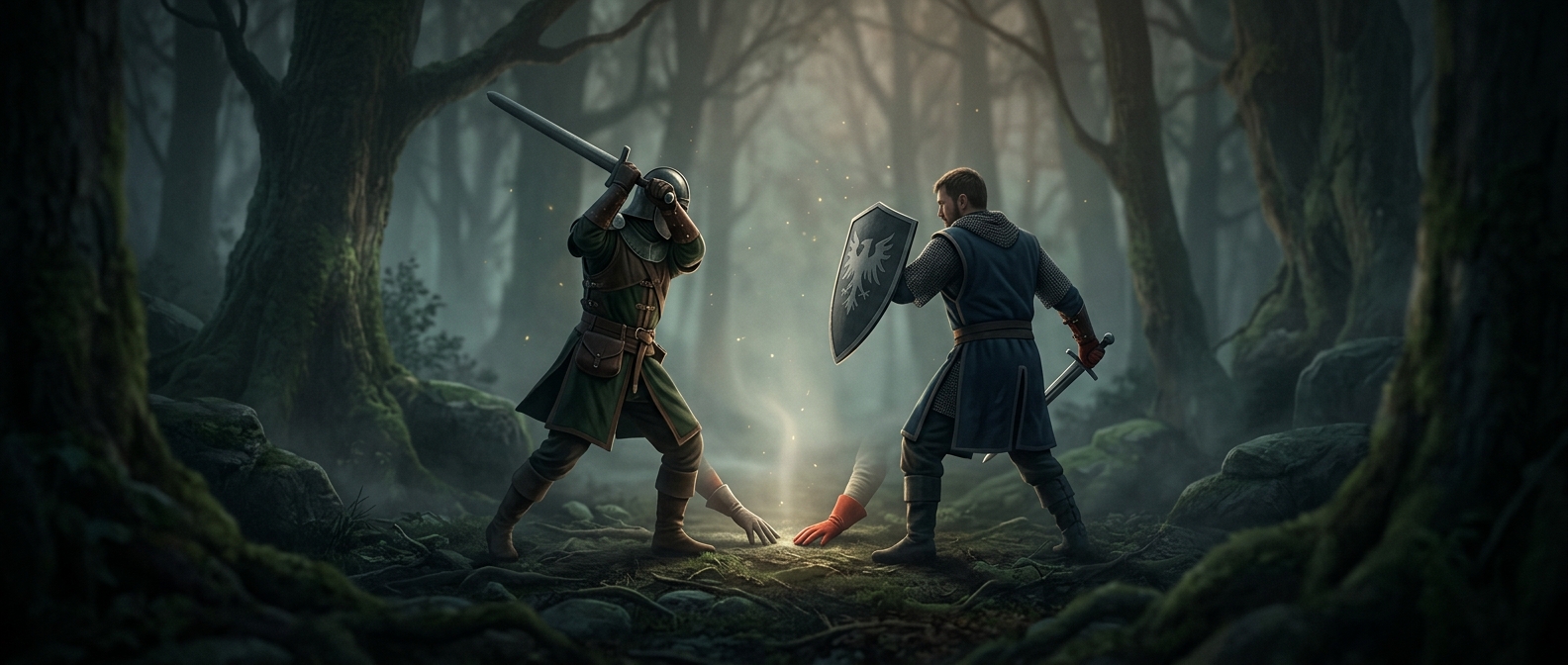
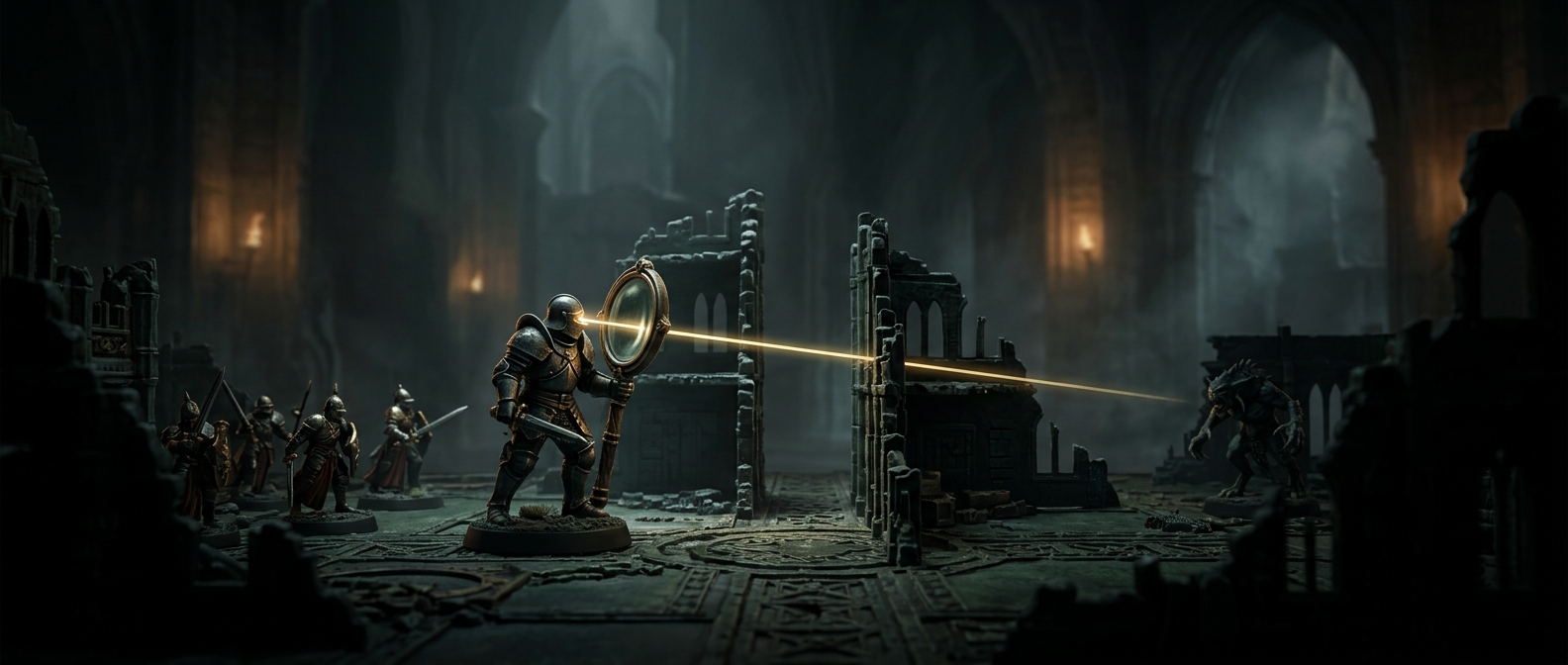
In a true-line-of-sight game, the model itself acts as the measuring instrument. If the attacker’s miniature has an unobstructed view of any part of its target, the shot may qualify—subject to that game’s other rules. A wall, hill, or another model can block the view, while a raised weapon or a gap between pieces can leave a narrow opening.
That turns terrain and pose into practical parts of the rules. A crouching figure may be harder to see than a standing one; a low barrier might hide a small model but leave a taller one exposed. Players often lean down to the tabletop because their standing viewpoint is irrelevant: the question is what the miniature can see from its own height and position.
A Physical Answer, With Tactical Consequences
The appeal is immediacy. Instead of translating the scene into abstract categories such as “partly covered” or “within a firing lane,” players can inspect the actual arrangement on the table. The same physical detail that makes a battlefield convincing also helps determine what actions are possible.
But the method makes small differences consequential. Shifting a model slightly can open or close a shot, and sculpted details can create arguments over whether a sliver of a target is visible. Games therefore may add clarifications or limits to keep a literal sight check from overwhelming play; the exact procedure varies by ruleset.
The result is a battlefield where positioning is not just about distance. A few millimeters beside a piece of terrain can decide whether a miniature is protected—or has a clear shot.