How a LARP battle makes room for real life
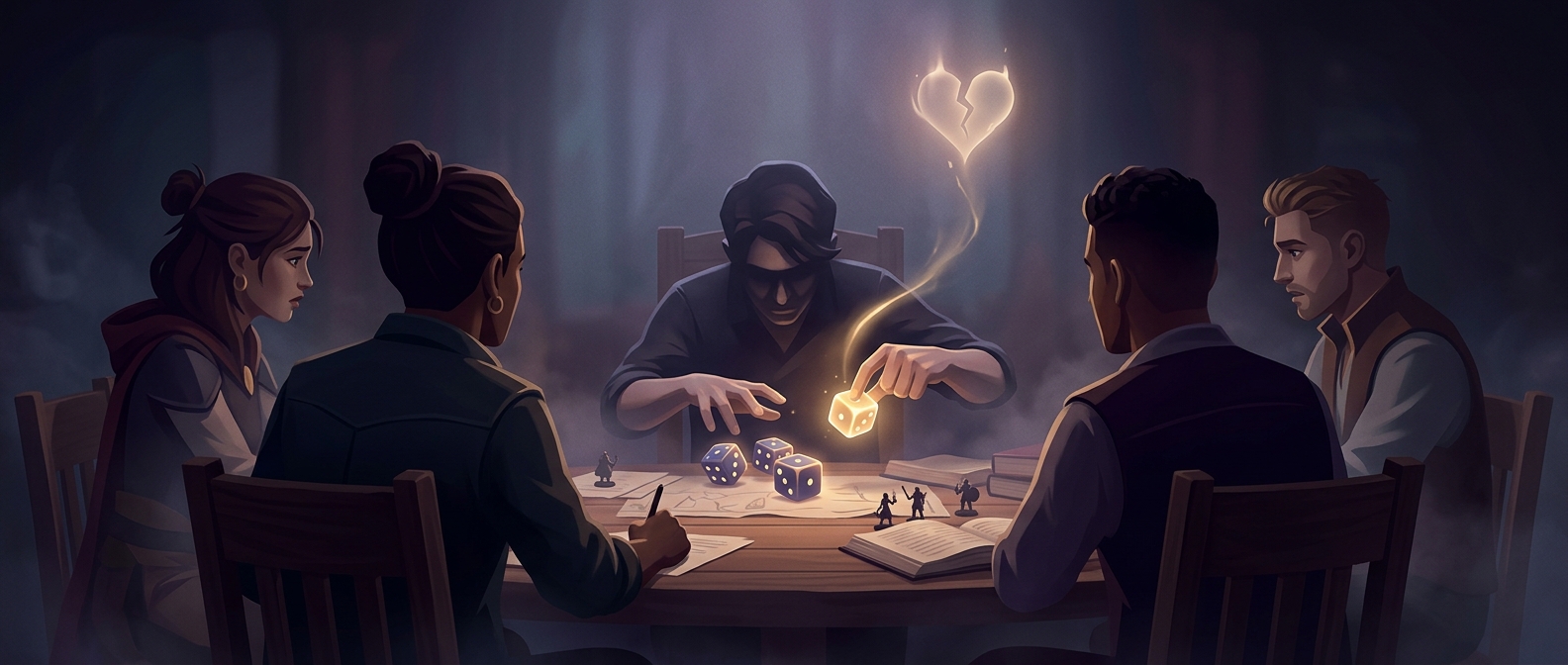
Live-action role-playing (LARP) asks participants to act out characters and conflicts in a shared physical space. That creates an unusual safety problem: a shout, stumble, or struggle might be part of the scene—or it might mean someone needs help. A safe word gives the group a signal that is outside the fiction. Once it is used, nobody should treat it as dialogue or an invitation to keep fighting.
The signal works only if everyone knows what it means
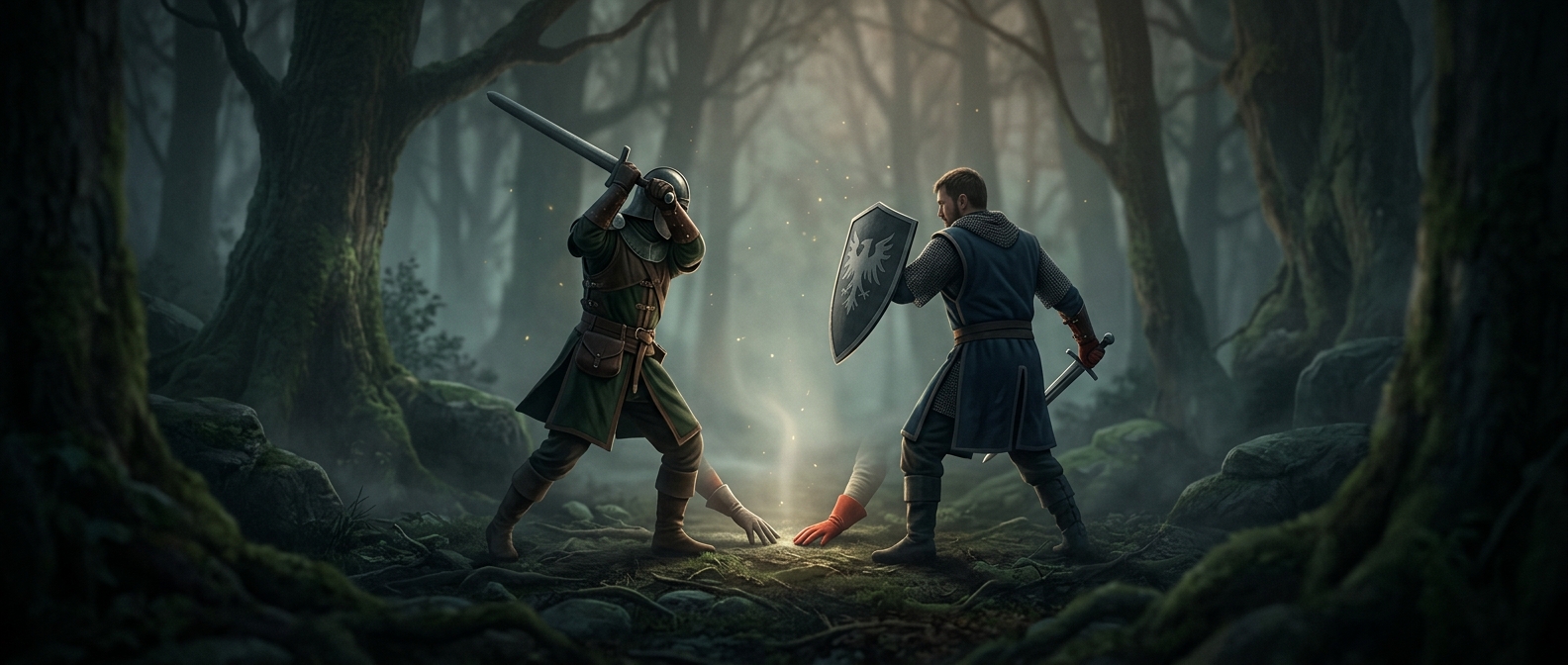
Before play, organizers can explain the agreed word and what participants should do when they hear it. In a battle, the immediate response is to stop the action and make space to check what is happening. The priority shifts from protecting the scene to attending to the person; play resumes only when the situation is understood and it is appropriate to continue.
That shared meaning matters because ordinary language can be ambiguous in a noisy scene. A character might yell that they are hurt as part of the story, while a participant may need to communicate a real problem without negotiating through role-play. A designated signal separates those two cases quickly. The exact word and procedure can differ between games, so participants need to learn the rules for the event they are attending.
A pause protects the game, too
Stopping does not mean a battle has failed. It keeps a staged conflict from pressing on when someone’s safety or ability to participate has changed. The scene can be rebuilt or left behind, but continuing through a real emergency risks turning pretend danger into actual harm. In a LARP, the most important command in the middle of a fight may be the one that ends the fiction for a moment.