Why the opening branches so quickly
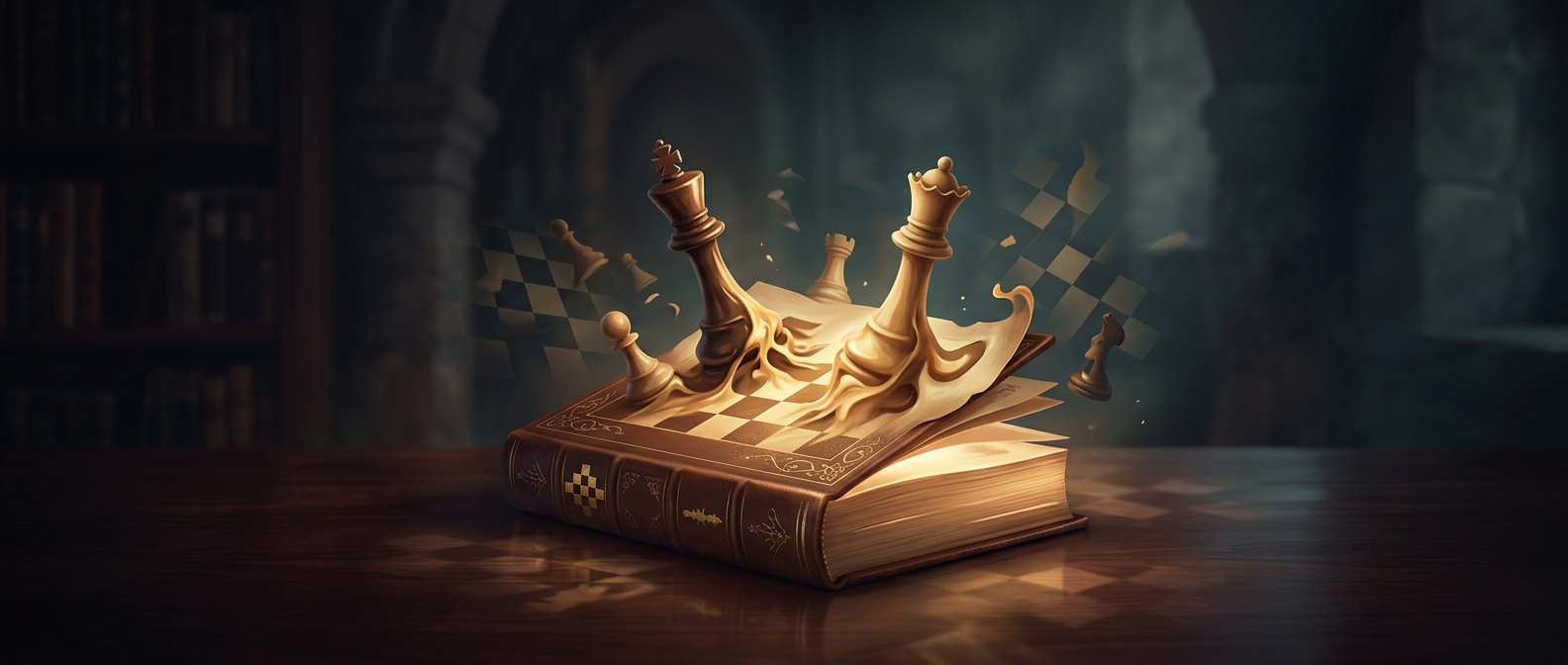
Chess begins with a crowded choice, not a forced sequence. On the first turn, White can move any of eight pawns one square or two, or move either knight to one of two squares. That makes 20 legal opening moves. Black has the same number of replies, producing 400 possible two-move sequences before either player has made a second turn.
Each sequence is a branch in the game tree: one possible route through the game. The number of routes grows rapidly because every new position presents another set of legal moves. The total is not a count of distinct board arrangements—different routes can sometimes reach the same position—but it captures how many lines players and chess programs may need to consider.
The pieces create different kinds of choices
Pawns move forward but capture diagonally, and their two-square option is available only from their starting squares. Knights move in an L shape and can jump over pieces, so they can enter the game even while the pawns still block most other pieces. Those rules make the opening unusually open to experimentation: players can advance a pawn, develop a knight, or combine the two in many orders.
A move also changes what can safely happen next. Advancing a pawn may free a bishop while leaving a square vulnerable; moving a knight may threaten a piece or help control the center. So the choices are not merely different routes on a board. Each one alters the opponent’s options, too.
More possibilities, more pressure to choose
Players do not calculate every branch to the end. They use familiar opening patterns and focus on moves that develop pieces, protect the king, or contest important squares. Those principles narrow the search without making the game predictable: a small difference in the first few decisions can lead to a very different position—and a new set of problems for both sides.