Alignment makes a character’s choices legible
In many role-playing games, an alignment chart gives a character a rough moral and social orientation. One axis often asks how the character treats other people, from altruism to selfishness; another asks how they relate to rules, from order to independence. The labels are shorthand, not a complete personality or a script for every decision.
That shorthand gives players a starting point when a story presents a choice. A principled paladin might refuse a profitable theft because breaking a promise matters more than the reward. A more chaotic hero might break the law to rescue someone in danger. The framework helps make those choices feel connected to the character rather than random.
Boundaries create consequences
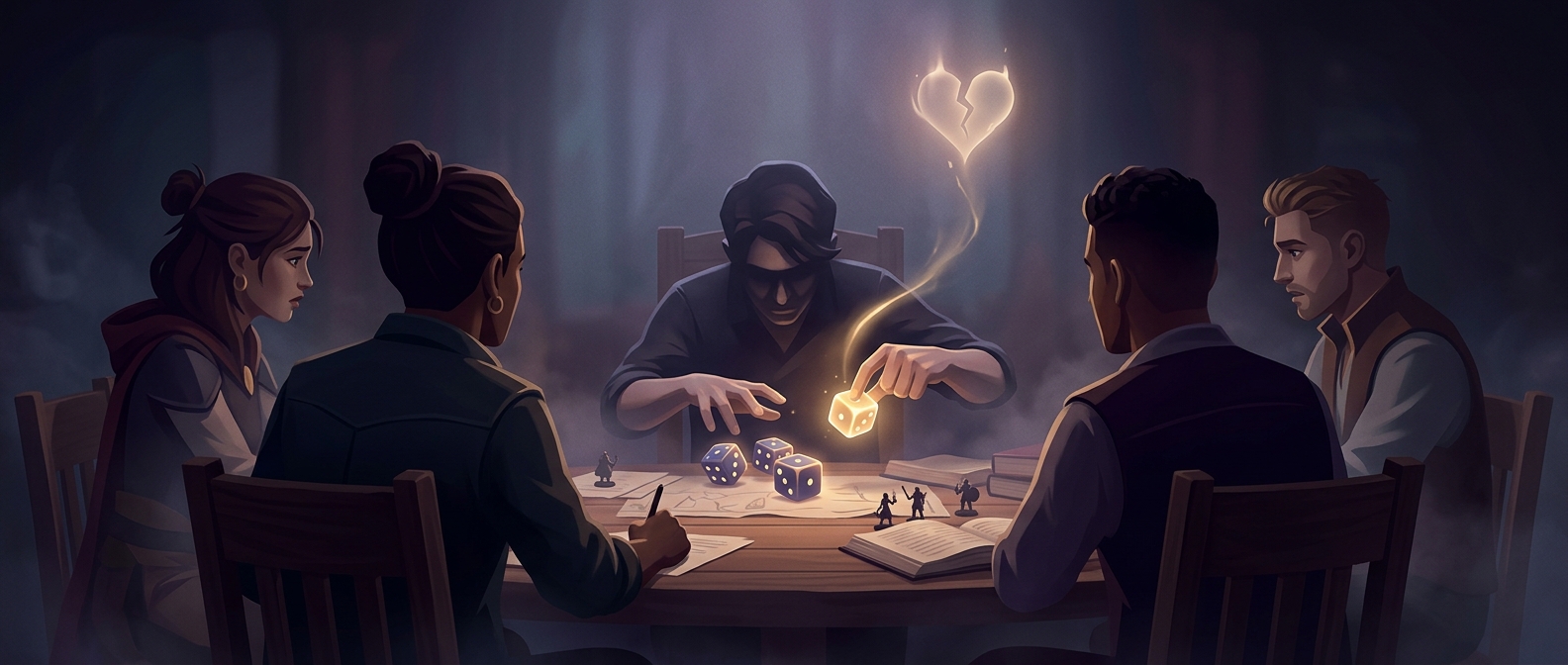
A moral boundary is useful because crossing it changes what other characters can reasonably expect. If the paladin suddenly robs a tavern for amusement, the surprise is not just that the character did something bad; it is that the player has overturned an established commitment. Companions may lose trust, a victim may seek justice, and the player may need to show what caused the change.
That does not mean a character can never change. A crisis, temptation, or hard lesson can make a shift compelling—but the story has more weight when it shows the steps between the old belief and the new choice. Without that connection, a dramatic turn can feel less like development and more like the player ignoring the character’s history.
A guide, not a restraint
Alignment works best as a prompt for role-play, not a rule that decides every action in advance. A good character can make a selfish choice; the interesting question is whether they regret it, justify it, or begin to change. The framework gives the table a shared expectation to play against, so a broken boundary becomes a story event rather than an unexplained change of mood.