When the Rules Run Out, a Silly Tie-Breaker Can Help
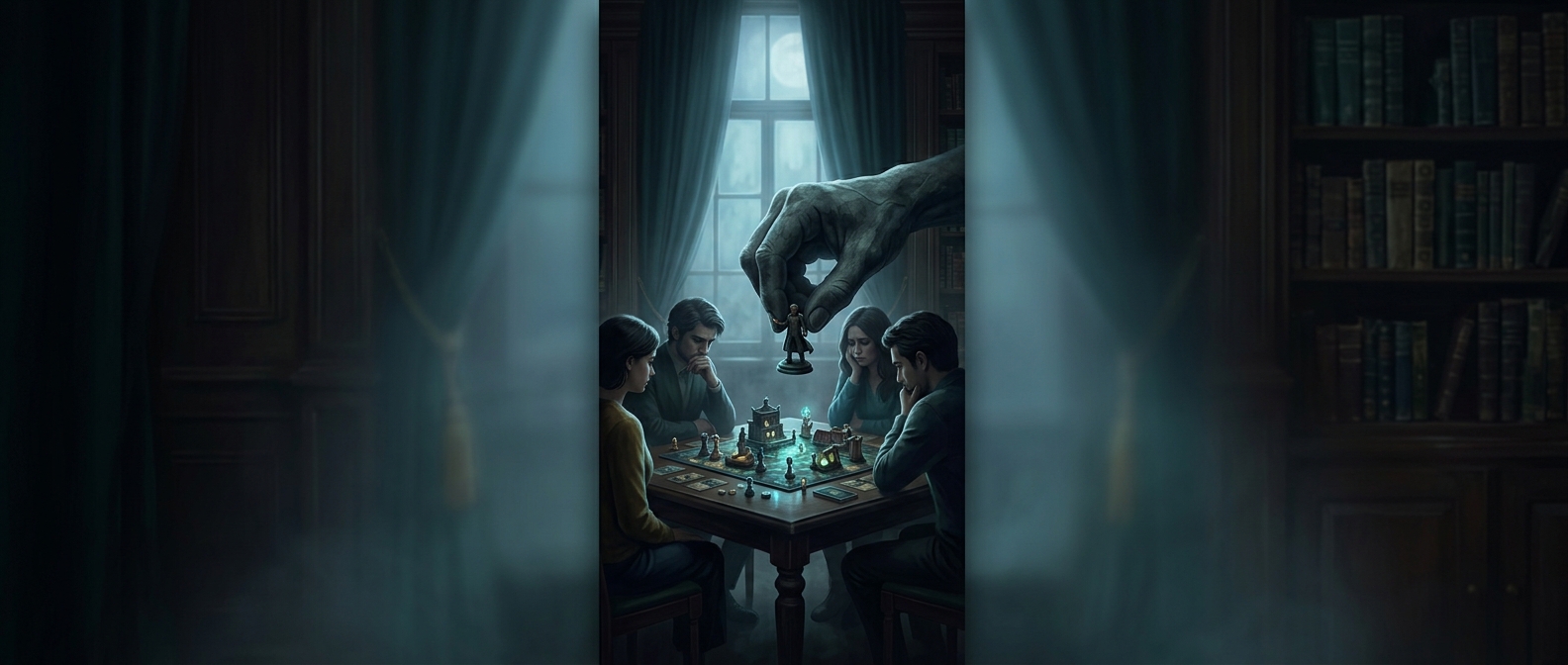
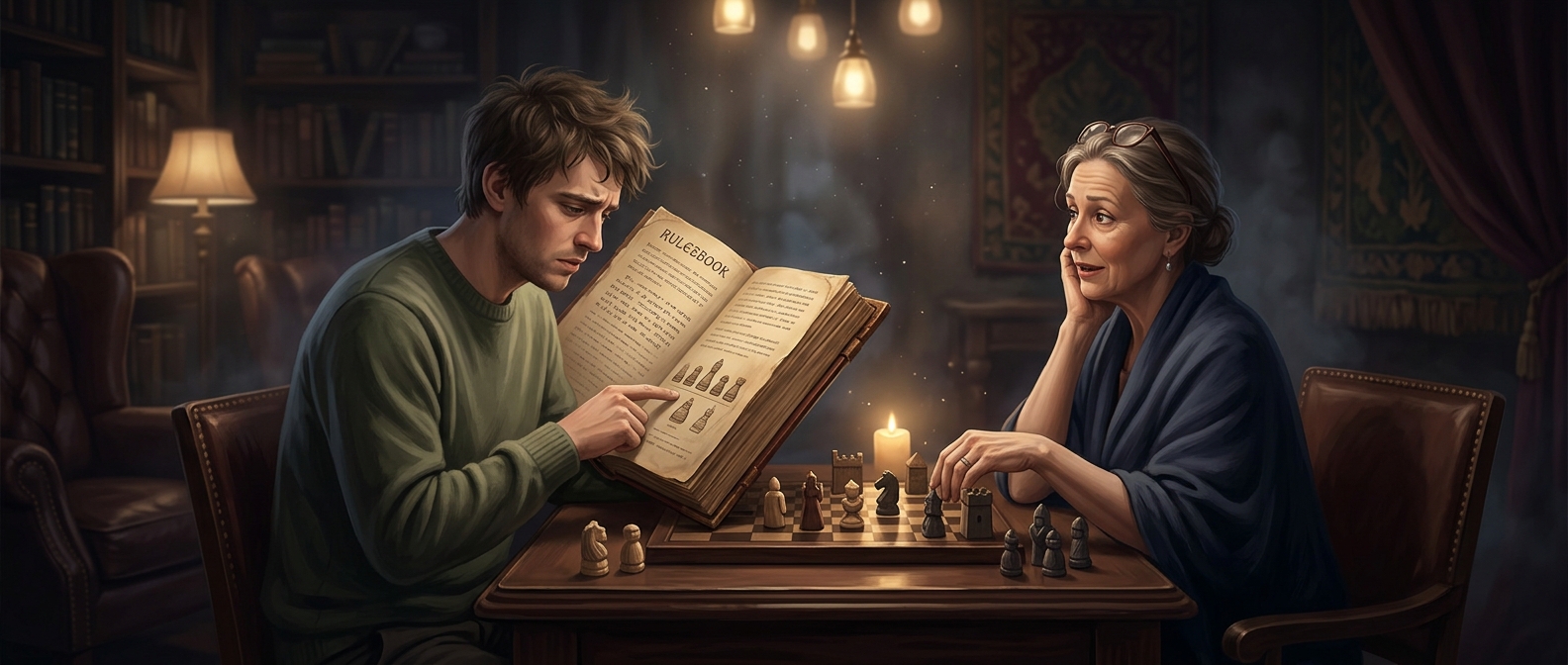
A board-game dispute often starts with a genuine ambiguity: two players claim the same space, an unusual move is not covered, or the rules leave a tie unresolved. If the players keep arguing about what the game “must have meant,” the disagreement can outlast the turn—and sour the table.
A tie-breaker gives the group a pre-agreed way to finish the decision. Some rulebooks use deliberately peculiar tests, such as deciding by who woke up earliest or who has the pointiest ears. These conditions are not meaningful measures of skill or entitlement. Their job is simply to produce an answer when the ordinary rules cannot.
Why Make the Answer Playful?
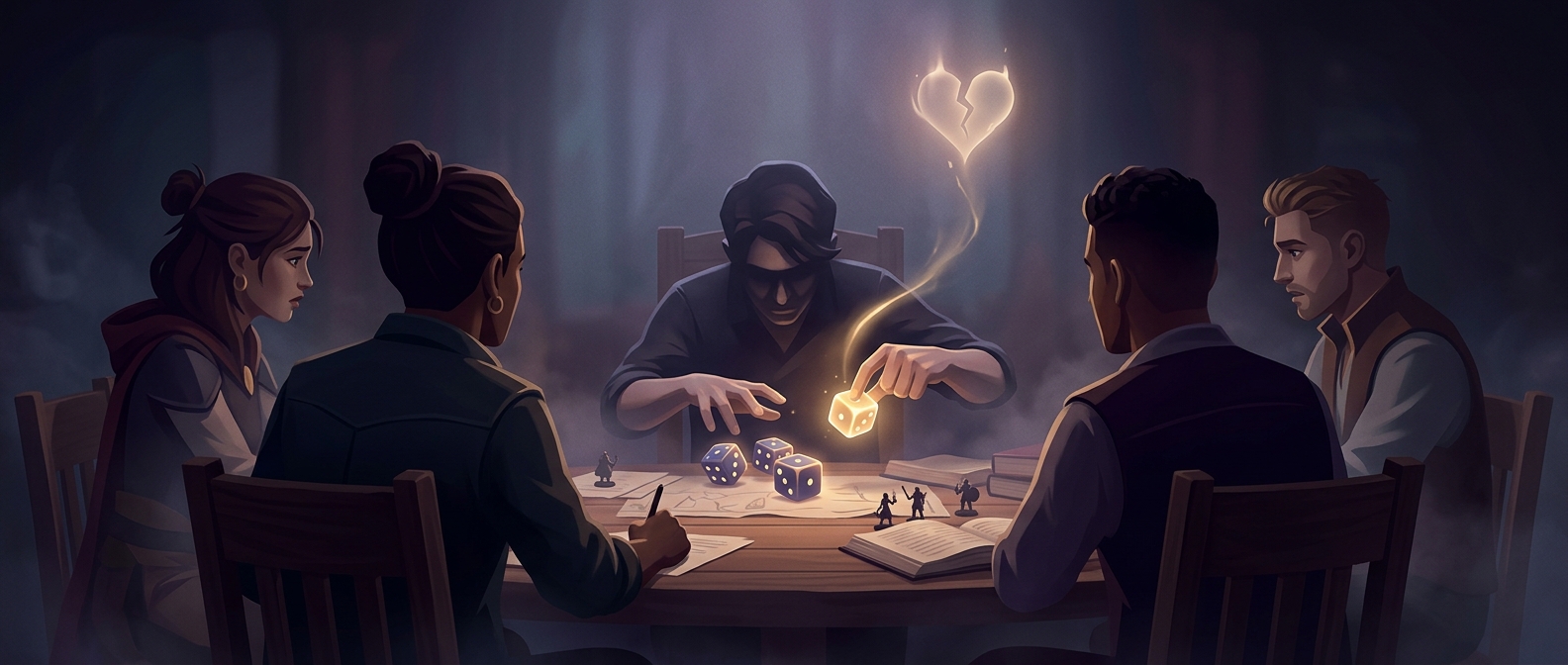
An arbitrary test can be easier to accept than a ruling that seems to favor one player’s interpretation. Everyone knows the condition in advance, so the group does not have to invent a new standard in the heat of the moment. And because the test is absurd, it can signal that the disagreement is a minor rules snag—not a serious judgment about who is right or cleverer.
The joke also makes the clause memorable. A player may forget a formal instruction buried in a rulebook, but “pointiest ears” is hard to miss. That matters because a tie-breaker only works if people remember to use it instead of reopening the argument.
A Small Rule With a Social Job
These clauses do not replace the game’s normal rules or guarantee that every player will find the result fair. They provide a stopping point: once the stated condition is checked, play can continue. In that sense, the rulebook is doing more than explaining how pieces move. It is giving the table a shared procedure for handling the moment when the rules themselves stop giving a clear answer.