The walk is part of the timing
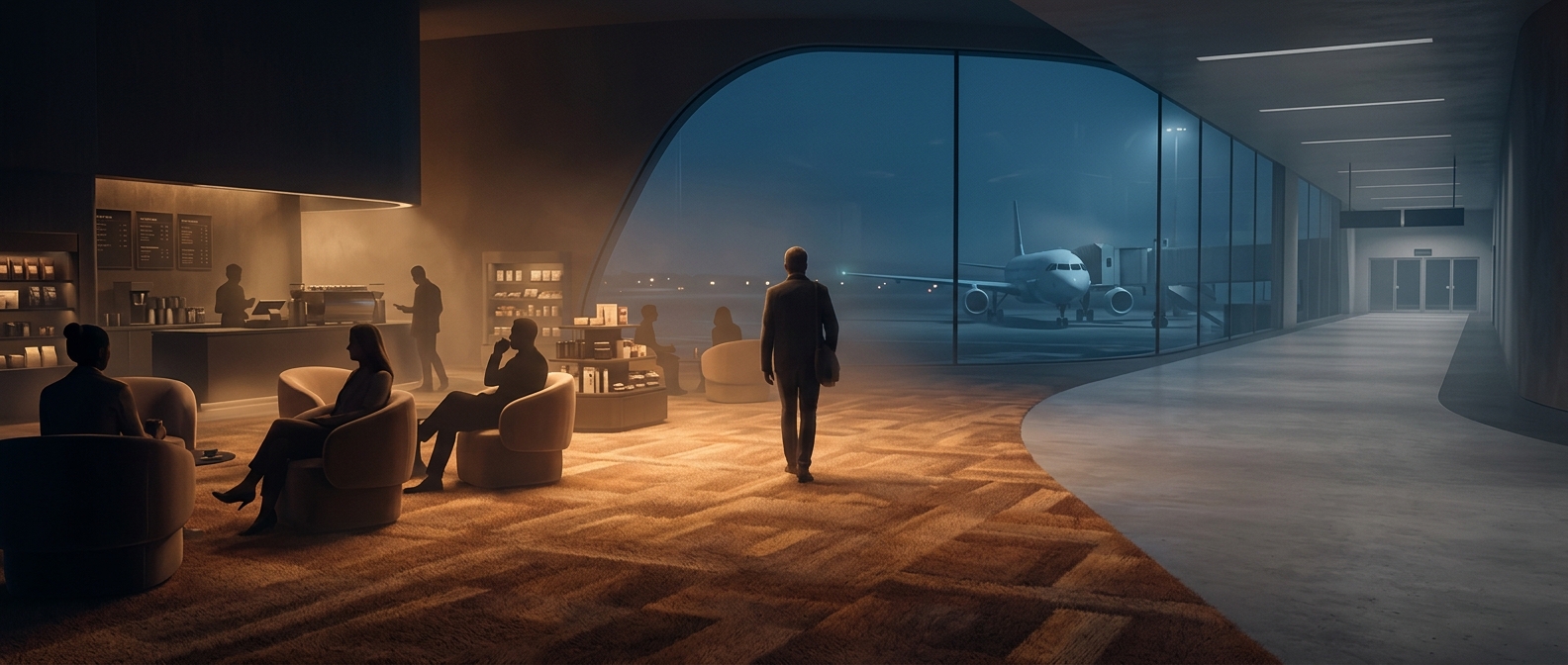
After an aircraft reaches the gate, luggage still has to be unloaded, moved across the airport, and fed into the baggage system. The path passengers take from the gate to the claim area can give that work a head start: while people follow corridors, escalators, or signs, ground crews are moving bags toward the carousels.
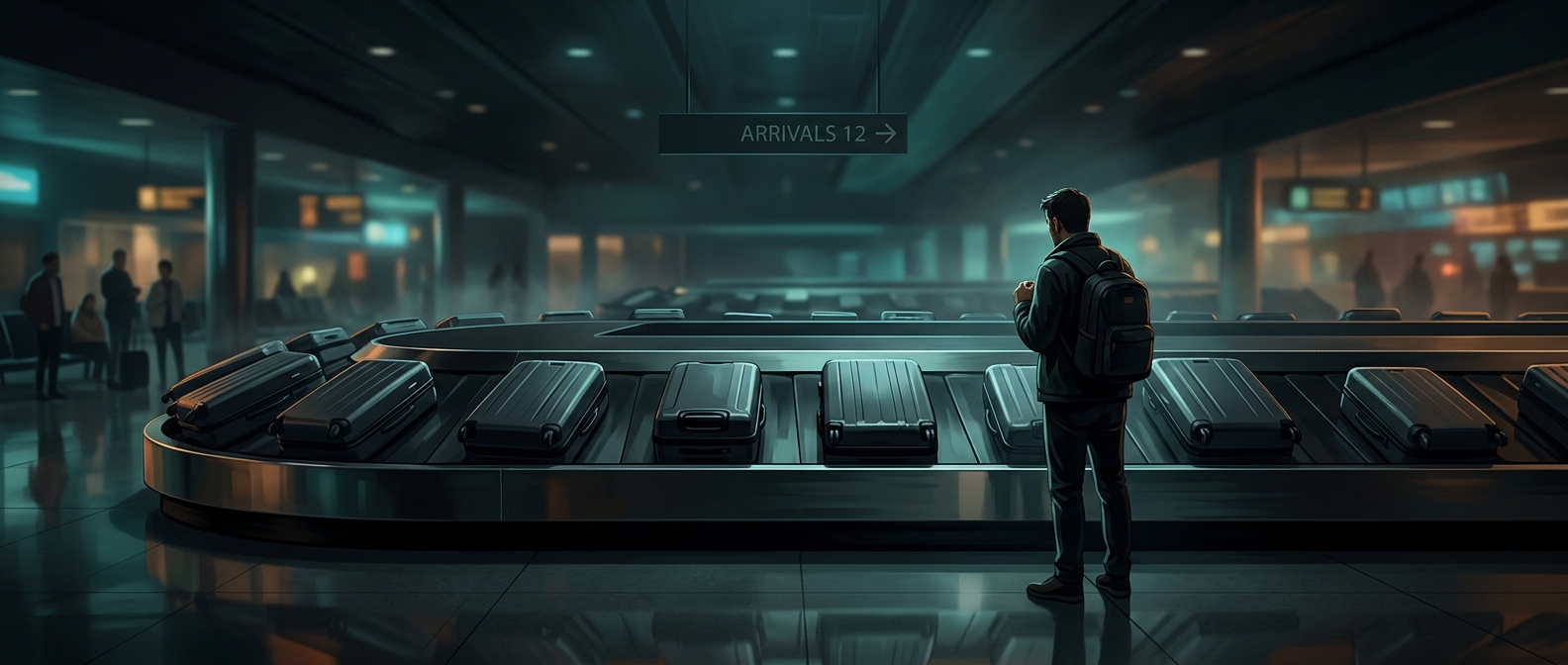
A carousel is the moving belt where passengers collect their luggage. Bags may need to travel in carts or containers from the aircraft before they can be placed on that belt. The passenger route and the baggage route are separate, but airport planners can use the time each takes to make the arrival feel more synchronized.
Why the timing is only approximate
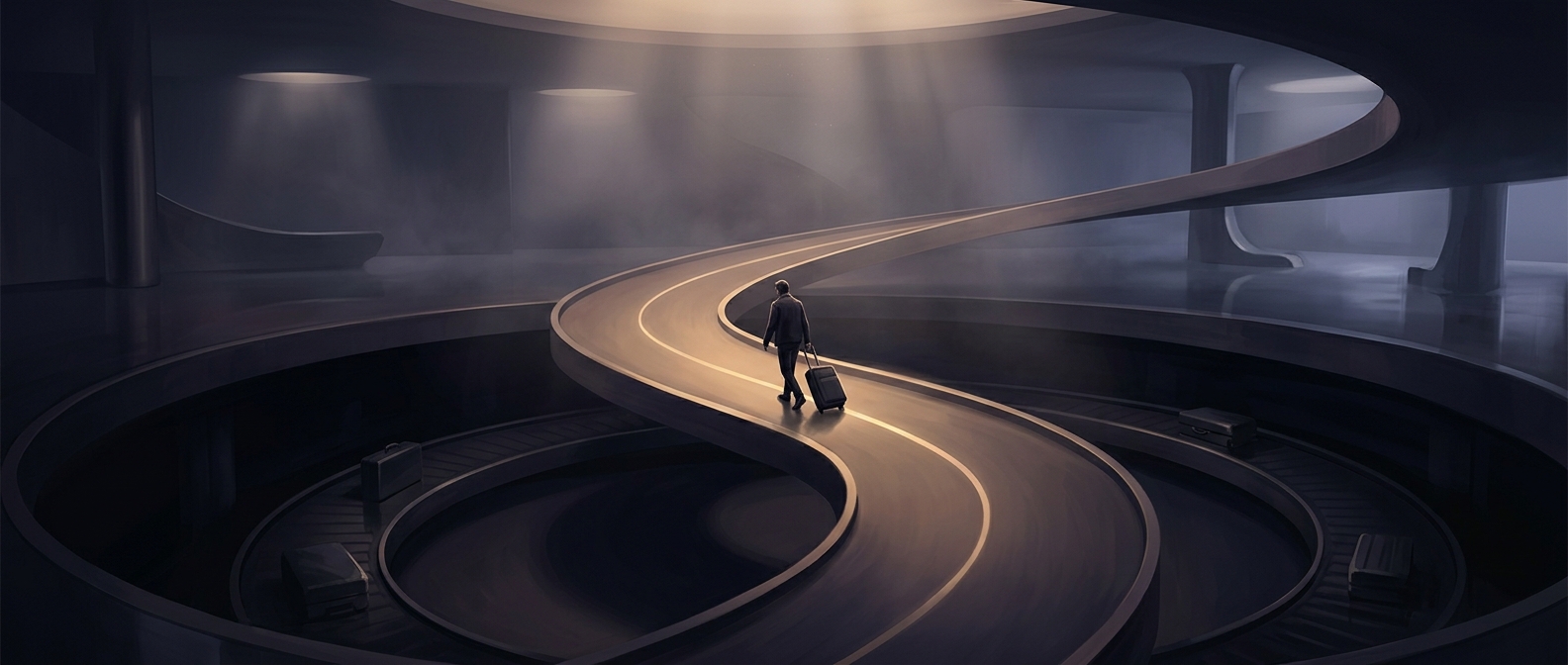
The match is a design goal, not a guarantee that every suitcase will be waiting. A plane’s position at the gate, the distance to the claim area, the number of bags, and the work required to transfer them all affect how quickly luggage arrives. Passengers’ own routes can vary, too—especially when they must pass through passport control or walk a long terminal corridor.
That means a longer walk is not necessarily wasted space or a sign that baggage handling is slow. It can absorb some of the time crews need to move luggage. When the timing works, travelers reach the carousel just as the first bags begin to appear, rather than gathering around an empty belt immediately after landing.