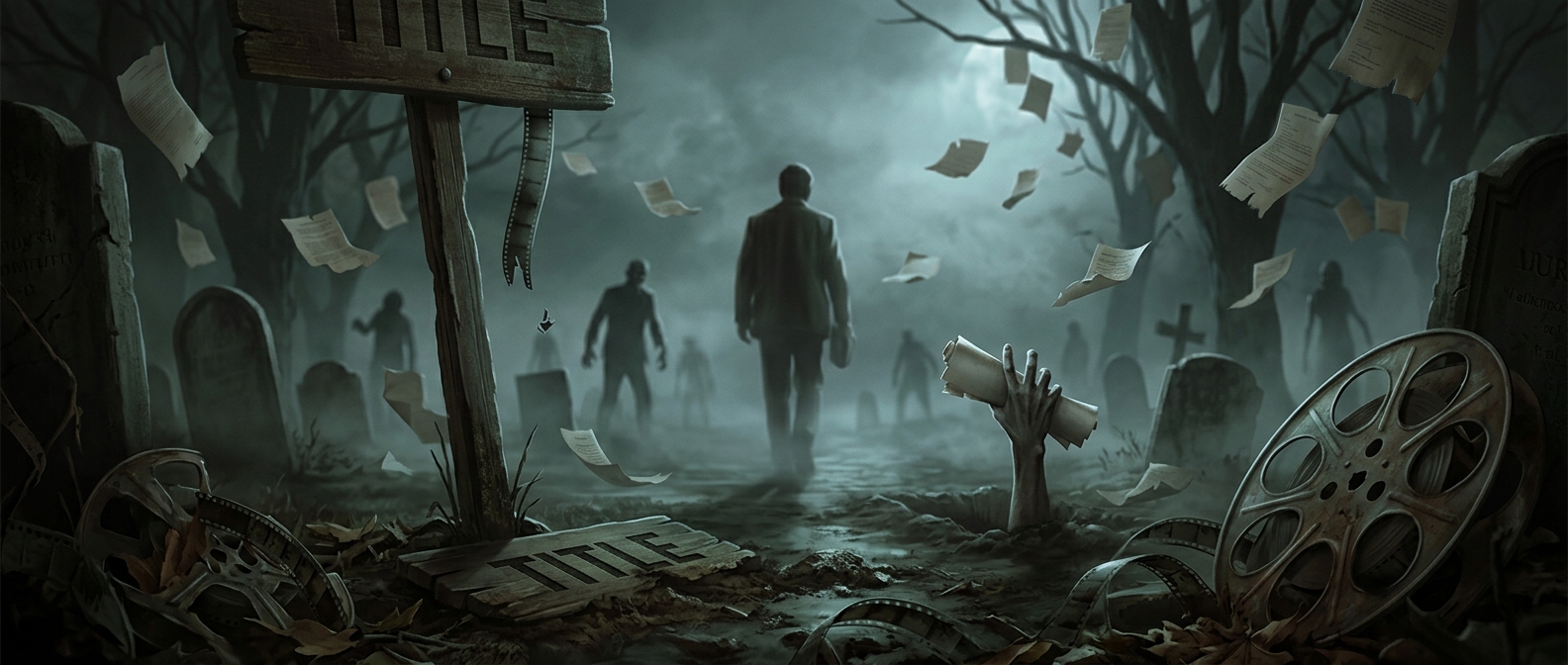
A title change broke the notice chain
George A. Romero’s film was originally called Night of the Flesh Eaters. When its distributor changed the title to Night of the Living Dead shortly before release, the copyright notice that should have appeared with the film was left off the prints. The change itself did not cancel the copyright; the missing notice did.
Under the U.S. copyright rules then in force, a film released without the required notice could lose copyright protection. Because the notice was absent when the movie reached audiences in 1968, Night of the Living Dead entered the public domain immediately.
What public domain meant for the film
Public domain means that no one holds an exclusive copyright over the work. Other distributors could show or sell copies without obtaining permission, and filmmakers could reuse its material without negotiating rights. That made the movie unusually easy to circulate, including through low-cost home video releases.
The same mistake also meant Romero and his collaborators could not use copyright to control those later releases or collect the licensing income that exclusive rights can provide. A last-minute production decision thus shaped not only the film’s legal status, but also how widely—and on what terms—it could be seen.