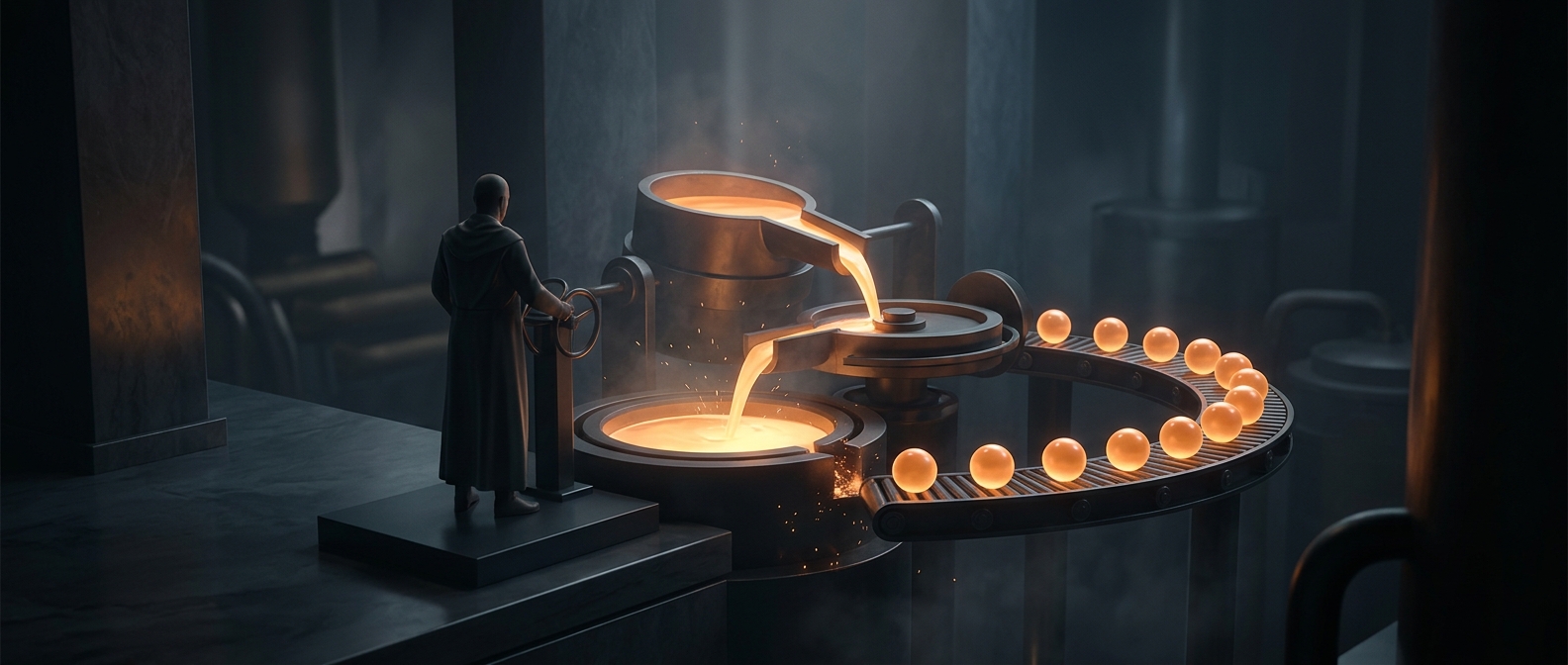
How a Product Becomes Its Own Raw Material
In a closed loop, a product’s material is recovered and used to make that same kind of product again. A bottle, for example, can be collected, sorted by material, cleaned, and processed into material for new bottles. The crucial change is that disposal becomes a supply-chain handoff: what would have been discarded is treated as an input for the next production run.
The Loop Depends on What Happens After Use
Recovery is only the first step. Materials must be separated from other waste and contaminants, then processed into a form manufacturers can use. Products designed with fewer mixed materials are generally easier to sort and remake; a complicated blend of plastics, coatings, or attached components can make recovery harder.
The material also has to meet the next product’s requirements. If processing changes its quality, manufacturers may need to blend it with newly produced material or use it in a different product. Keeping material circulating therefore depends not just on collection, but on design, sorting, processing, and reliable buyers for the recovered supply.
Why Companies Have an Incentive to Close the Loop
A steady stream of recovered material can reduce reliance on newly extracted or manufactured inputs. It can also give discarded products economic value, encouraging businesses to collect them and build systems to process them. But those systems cost money, and their usefulness depends on whether the recovered material is suitable and available at the right scale.
The most powerful design decision may happen before a product is sold: making it easier to take apart, identify, and turn back into usable material. That is what makes a loop practical—not merely the promise that an old product can become a new one, but the choices that let the next batch actually use it.