Yellowstone’s Idaho Corner and the “ jury problem”
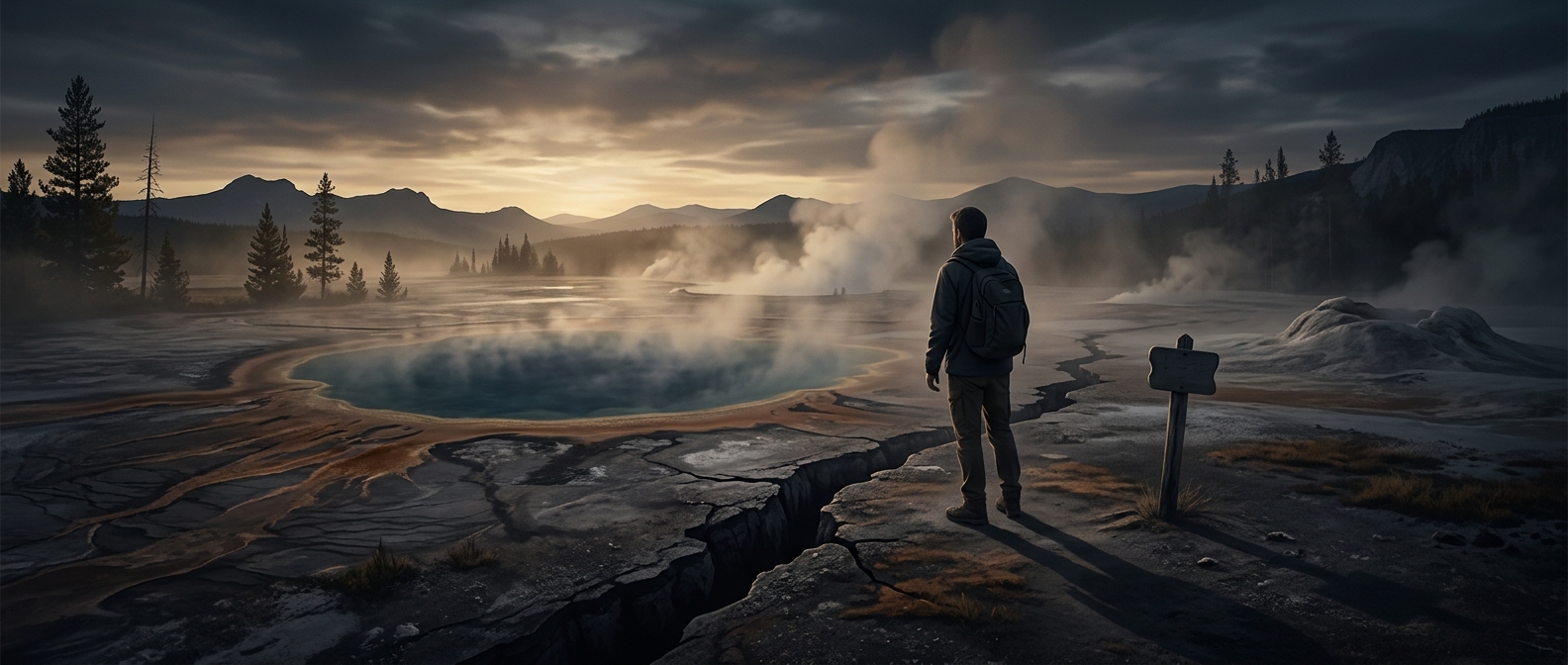
Yellowstone National Park crosses into Idaho, and the small stretch of park there has no permanent residents. That matters because the Constitution says a person accused of a federal crime must be tried by a jury from the state and federal district where the crime happened. The Idaho portion lies in Idaho’s federal district, so a literal reading raises an awkward question: where would officials find jurors who live in that patch of the district?
The issue is sometimes called the “Zone of Death,” but the name makes the possibility sound more certain than it is. The area is not outside the United States or beyond law enforcement. Federal authorities can investigate crimes there, and the park’s remoteness does not erase criminal laws. The proposed loophole concerns what happens later, in court.
Why an empty map does not settle the case
A jury is ordinarily selected from a broader pool, not assembled only from people who live at the precise crime scene. The constitutional language refers to the state and district, while jury-selection rules and court decisions shape how those requirements work in practice. If no one lives in the Idaho section, a defendant might argue that a jury drawn from elsewhere in the district violates the constitutional guarantee. But that argument has never established a reliable way to escape prosecution; a court would have to decide how the guarantee applies.
There is also a practical complication: Yellowstone visitors and workers may be present even though the zone has no permanent residents. Their presence would not automatically resolve the legal question, but it shows why “no residents” is not the same as “no possible jurors.” The striking detail is less that the park has a crime-free pocket than that a remote, nearly uninhabited corner can expose how carefully the Constitution ties a federal trial to the place where an alleged crime occurred.