When a Passenger Becomes a Safety Risk
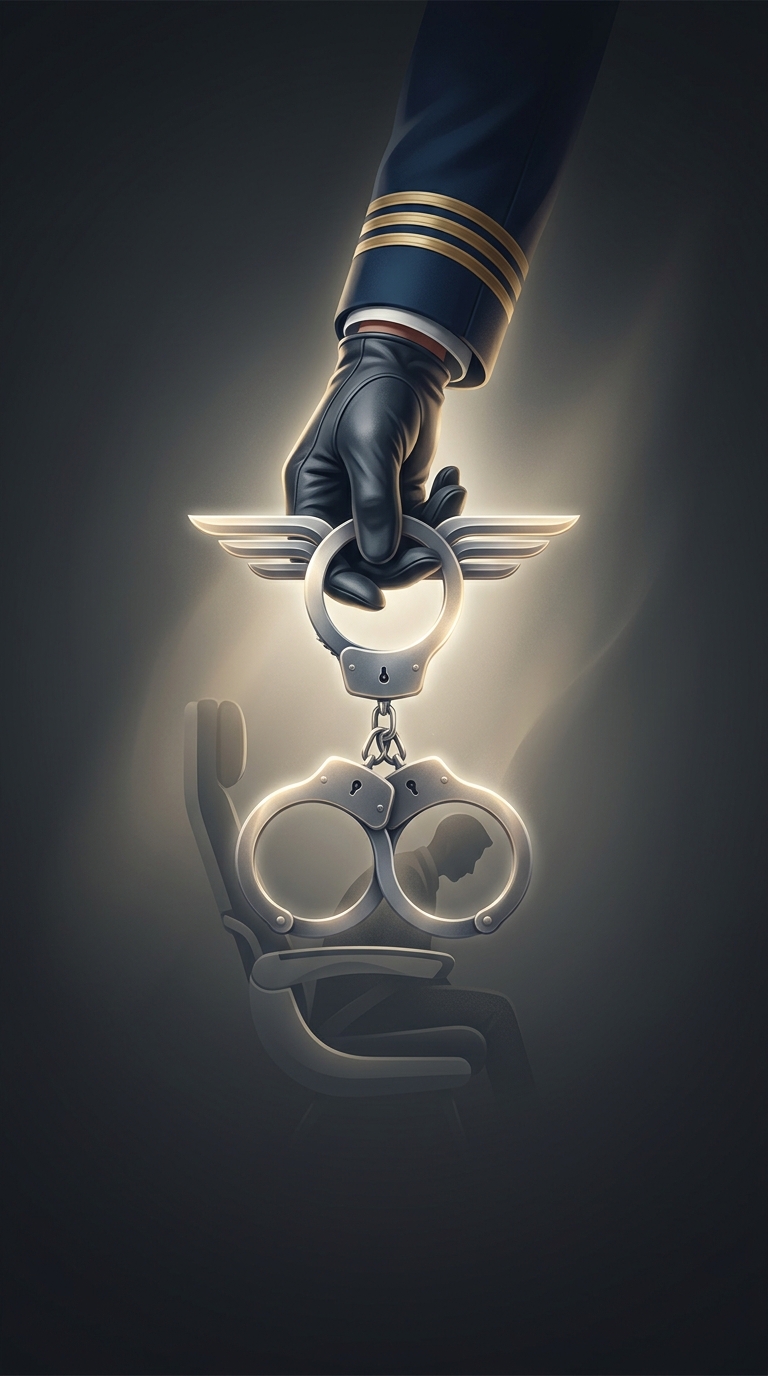
A seat-belt refusal or an argument over alcohol does not, by itself, give cabin crew a blank check to tie someone down. The crucial distinction is whether a passenger’s behavior has escalated into a threat—such as assault, attempts to enter a restricted area, or actions that put other people or the aircraft at risk. In that situation, crew may use restraints when necessary to stop the danger, subject to applicable law and airline procedures.
Restraint kits can include sturdy plastic ties or other equipment intended to hold a person’s wrists. Crew are trained to treat restraint as an emergency measure, not a punishment: they must weigh the immediate danger against the risk of injury and keep the situation under observation. A person may be secured to a seat if that is needed to prevent further harm, including for the remainder of a flight.
Why the Cabin Changes the Calculation
On the ground, disruptive behavior can be handled by stopping the activity and calling for help. In the air, the crew cannot simply remove a passenger from the scene. The cabin is confined, other passengers are nearby, and the flight crew must keep attention on operating the aircraft. A restraint can therefore be a way to contain an immediate threat until the plane can land and authorities can take over.
The captain is responsible for the aircraft’s safe operation, while cabin crew handle the immediate cabin situation and coordinate with the flight deck. Once the plane lands, police or other authorities may investigate; restraint does not settle whether an offense occurred. The point is to preserve safety until help is available on the ground, not to impose a sentence at 30,000 feet.