The tower and its lights have different copyright status
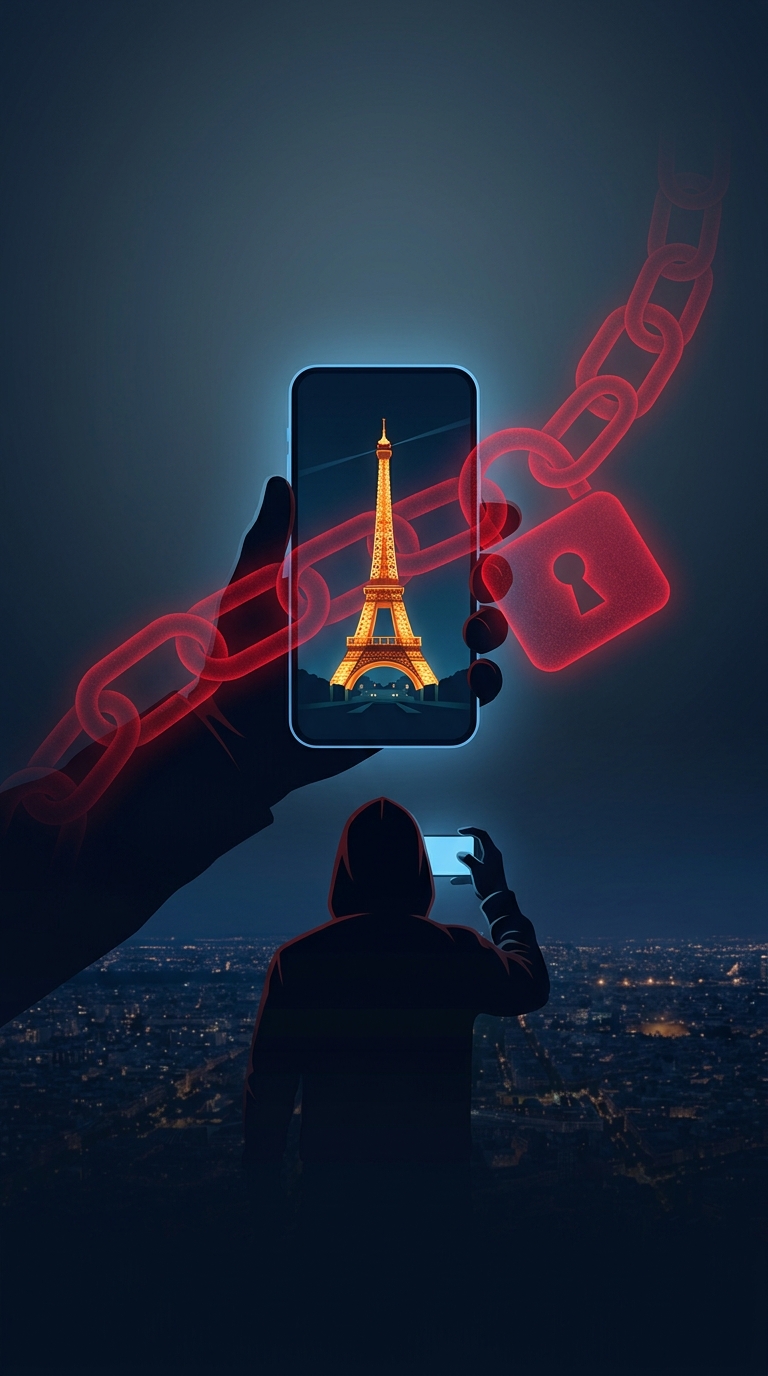
The Eiffel Tower’s iron structure is old enough to be in the public domain, so photographing the tower itself is generally not the copyright problem. The issue is its nighttime illumination: the lighting display is treated as a separate artistic work, with rights that can restrict how images of it are reproduced and shared.
That distinction matters because a night photograph captures both the public-domain monument and the protected light design. Taking a picture for yourself is different from publishing it; posting it online can count as making the protected work available to the public.
Why the rules can reach a social-media post
Copyright usually gives the rights holder control over reproductions and public sharing of a work. France has a limited “freedom of panorama” exception for certain works permanently installed in public places, but it does not automatically make every image of a landmark free to publish. The Eiffel Tower’s nighttime display is the separate element that creates the complication.
So the familiar claim is best understood as a technical copyright issue under French law—not a special European rule that makes snapping the photo itself illegal. Personal posts are common, and the practical risk is different from commercial use, which may require permission. The key distinction is not day versus night as a camera setting; it is whether the image includes the separately protected illumination and how the image is used.