The scene inside the frame
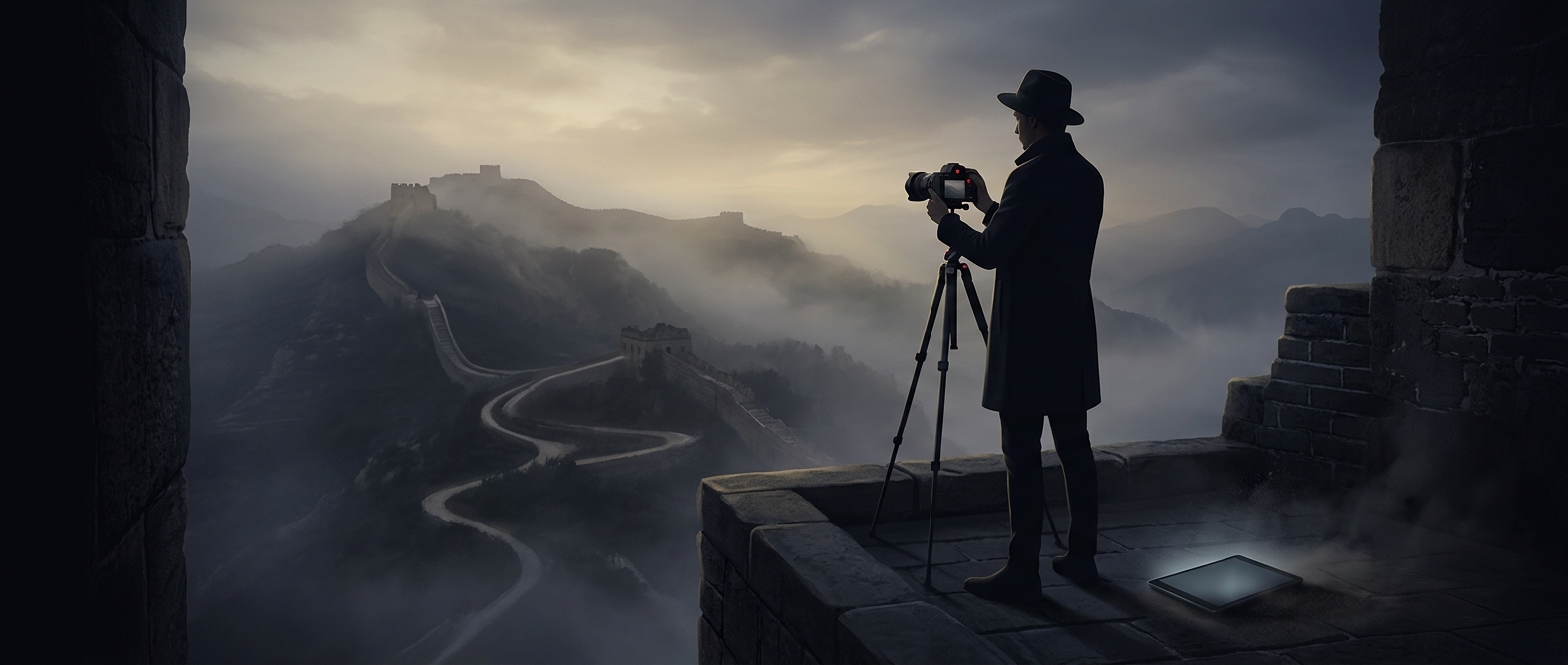
A photograph does not record everything a visitor sees. It records only the slice of space that fits inside the frame, from one chosen position. Lowering the camera can place a ridge, tree line, or rock formation across the background while keeping roads, cars, and buildings below the edge. A tighter crop narrows that slice further, removing distractions at the sides.
The result can feel remote even when the photographer is standing a short walk from a busy trailhead. The landscape itself has not changed; the selection of what counts as the scene has.
Perspective is part of the story
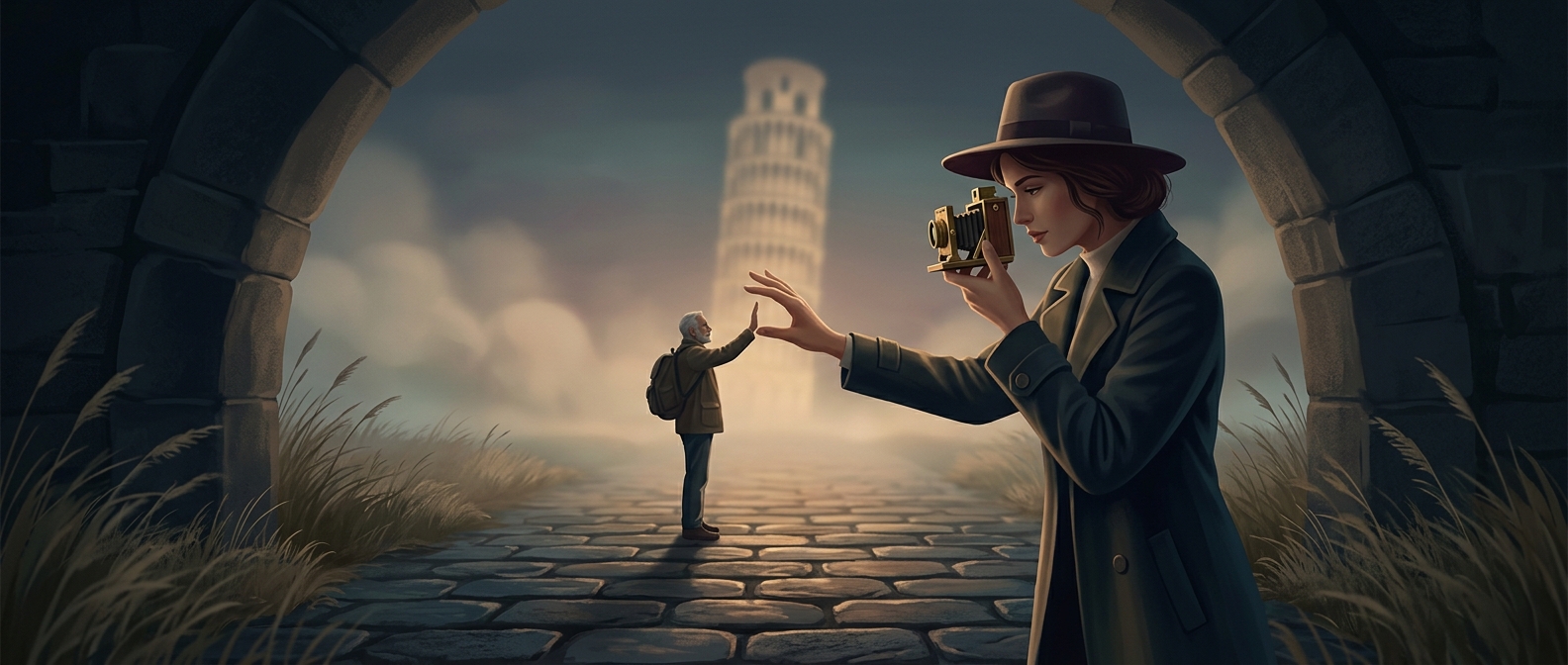
Where the camera stands matters as much as what it points at. From a low viewpoint, nearby foreground features can loom large and screen what lies beyond them. A longer lens can also make distant elements appear closer together, compressing the view and helping a natural backdrop feel continuous. These choices do not necessarily require editing—they shape the image at the moment it is made.
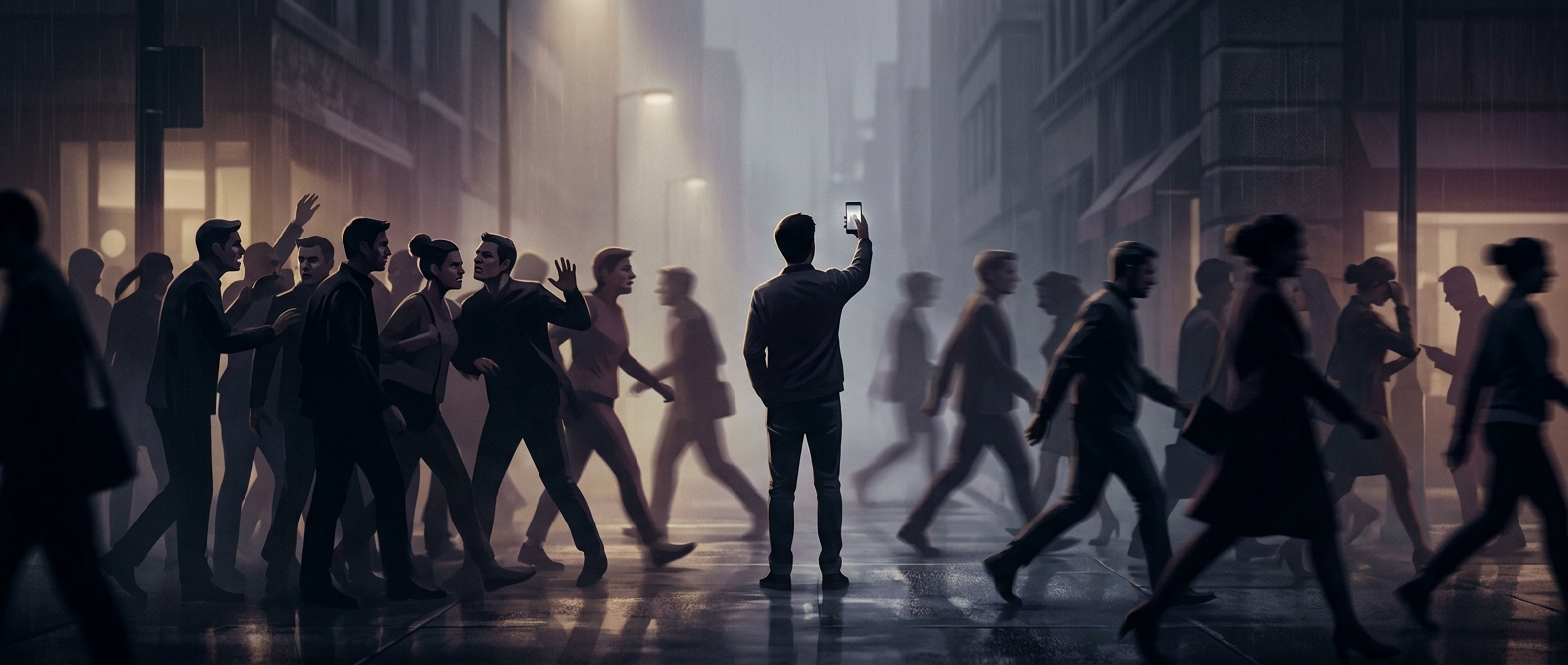
That framing is useful for emphasizing a particular view, but it can also leave out the conditions around it. A photograph may truthfully show a striking stretch of wilderness while giving no sense of the nearby parking lot, queue, or development. The frame is evidence of what was visible from one angle, not a complete portrait of the place.