When a View Becomes a Picture to Make
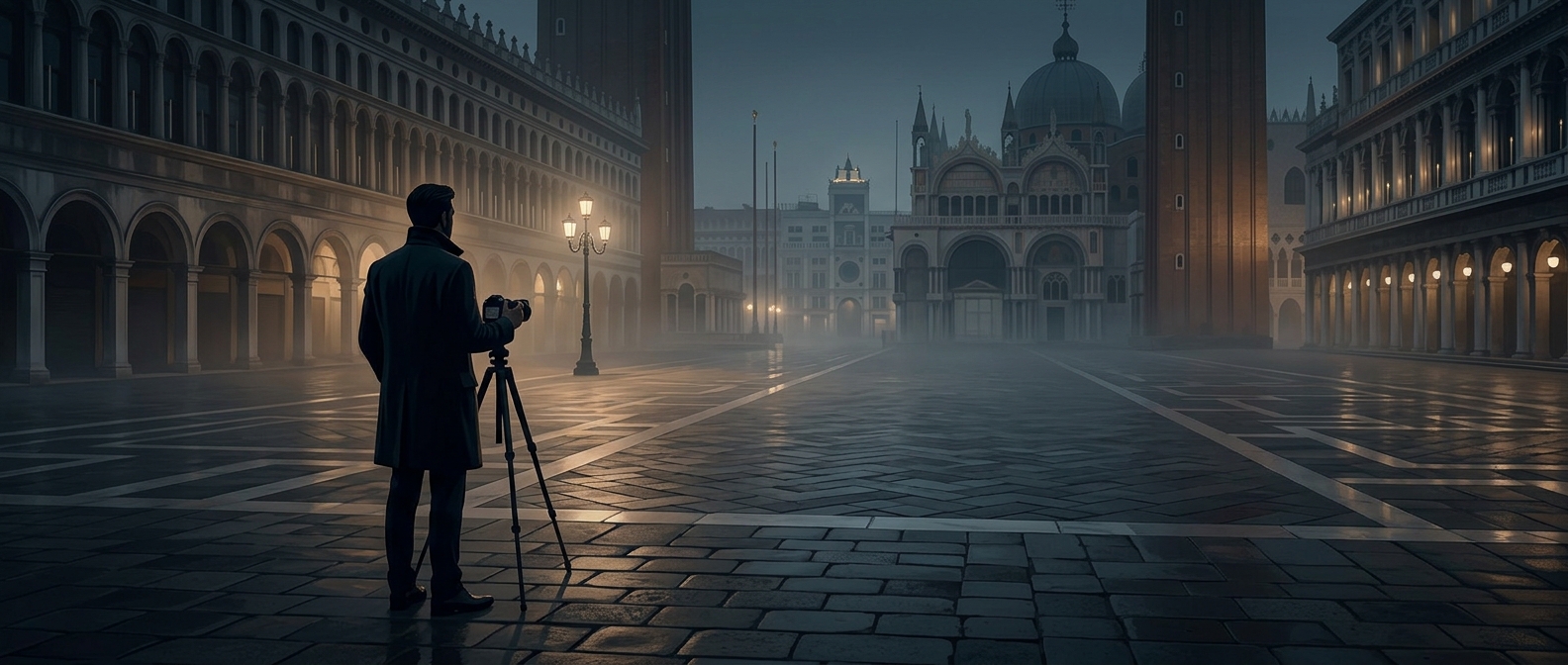
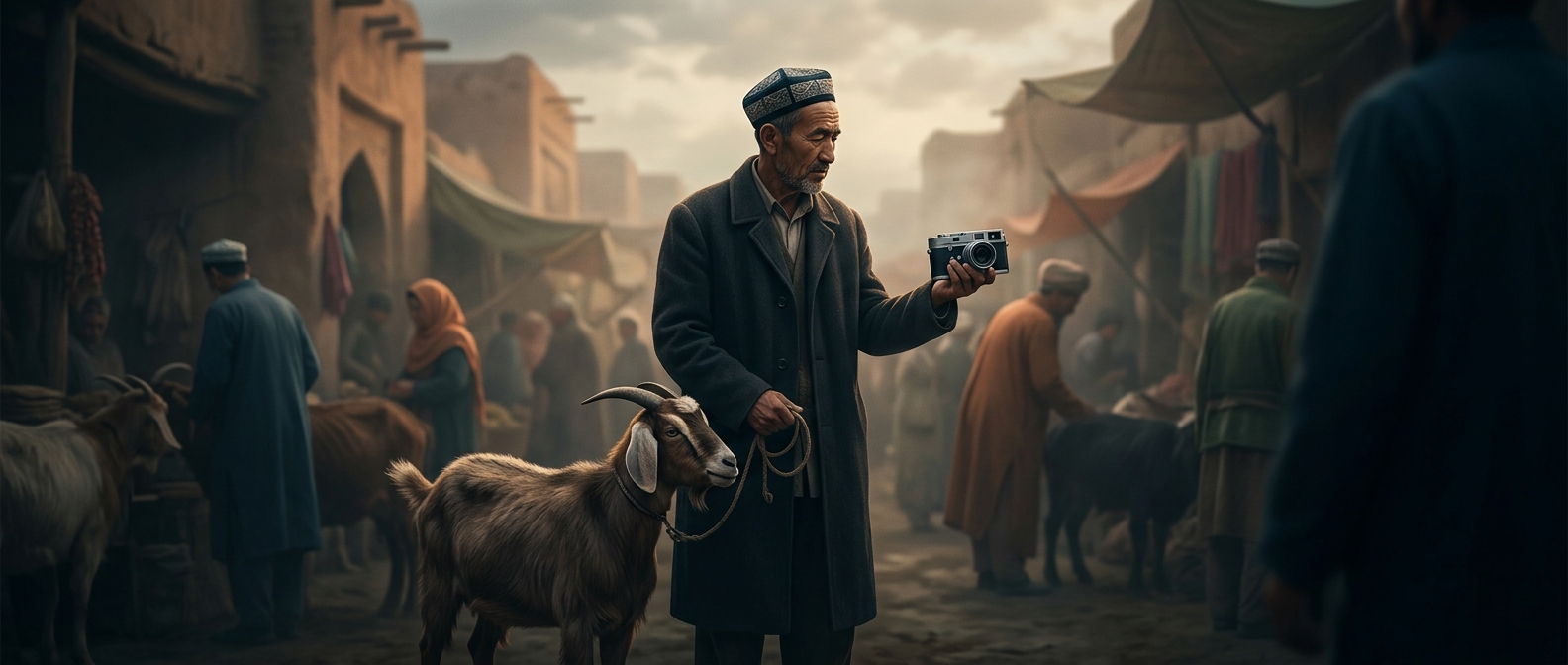
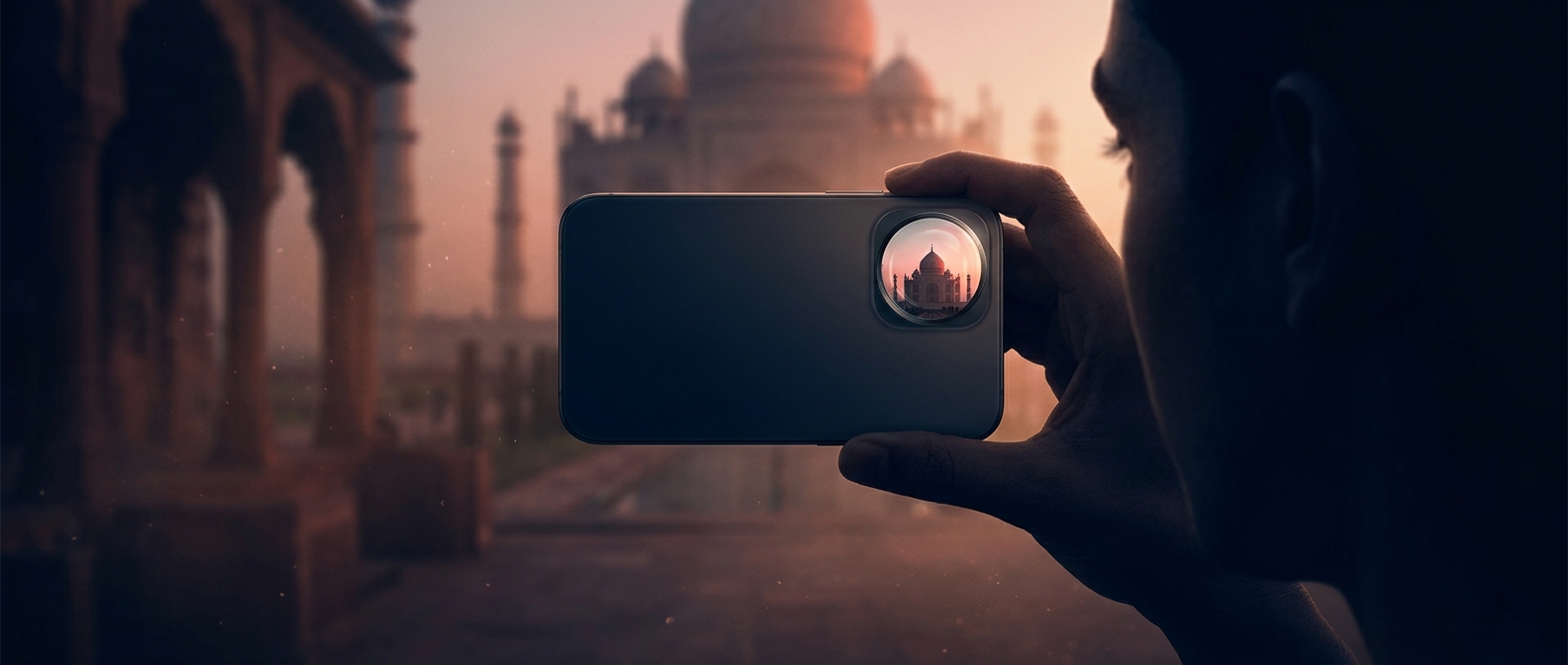
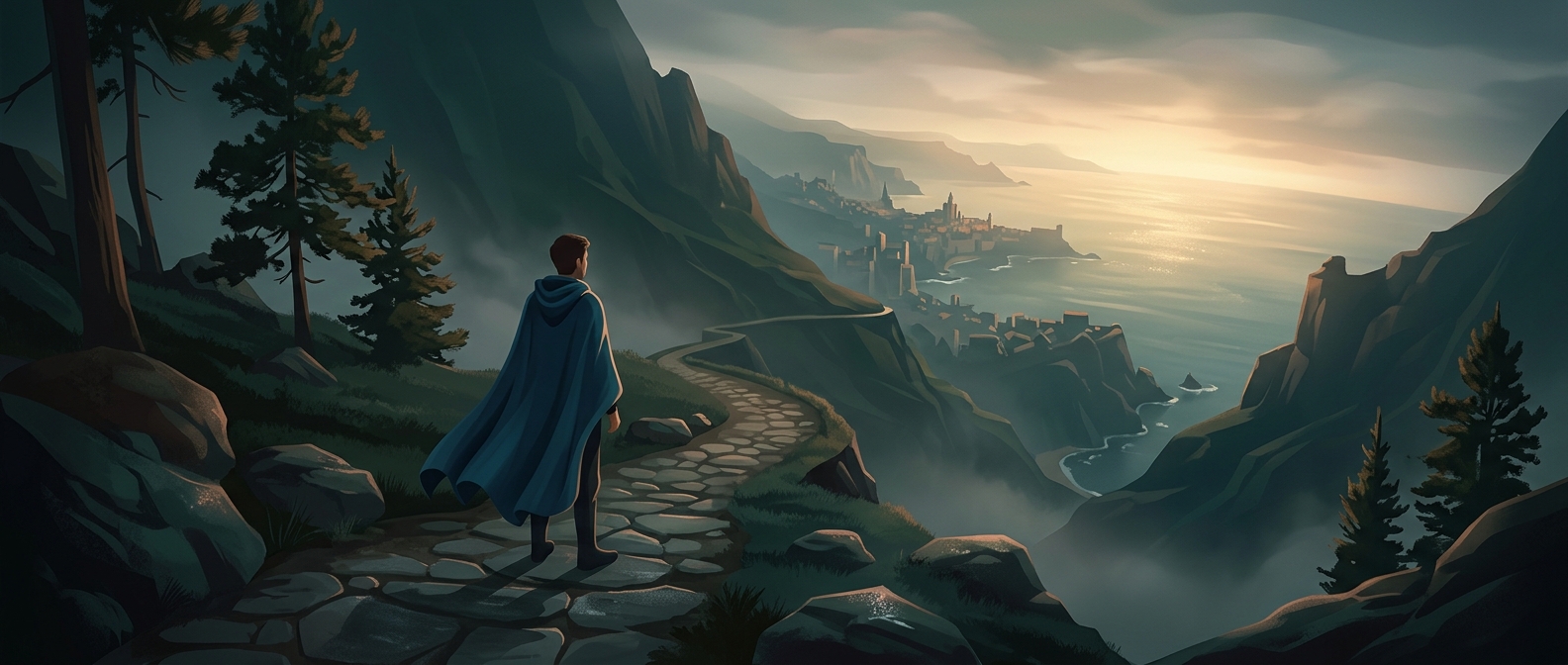
A striking landscape arrives all at once: light, distance, color, and movement spread across a scene too wide to hold in a glance. A camera turns that experience into a task with edges. The visitor chooses what belongs in the frame, where the horizon sits, and whether people or landmarks should appear. That can make the scene feel more manageable—but it also shifts attention from looking to composing.
Framing Changes What You Notice
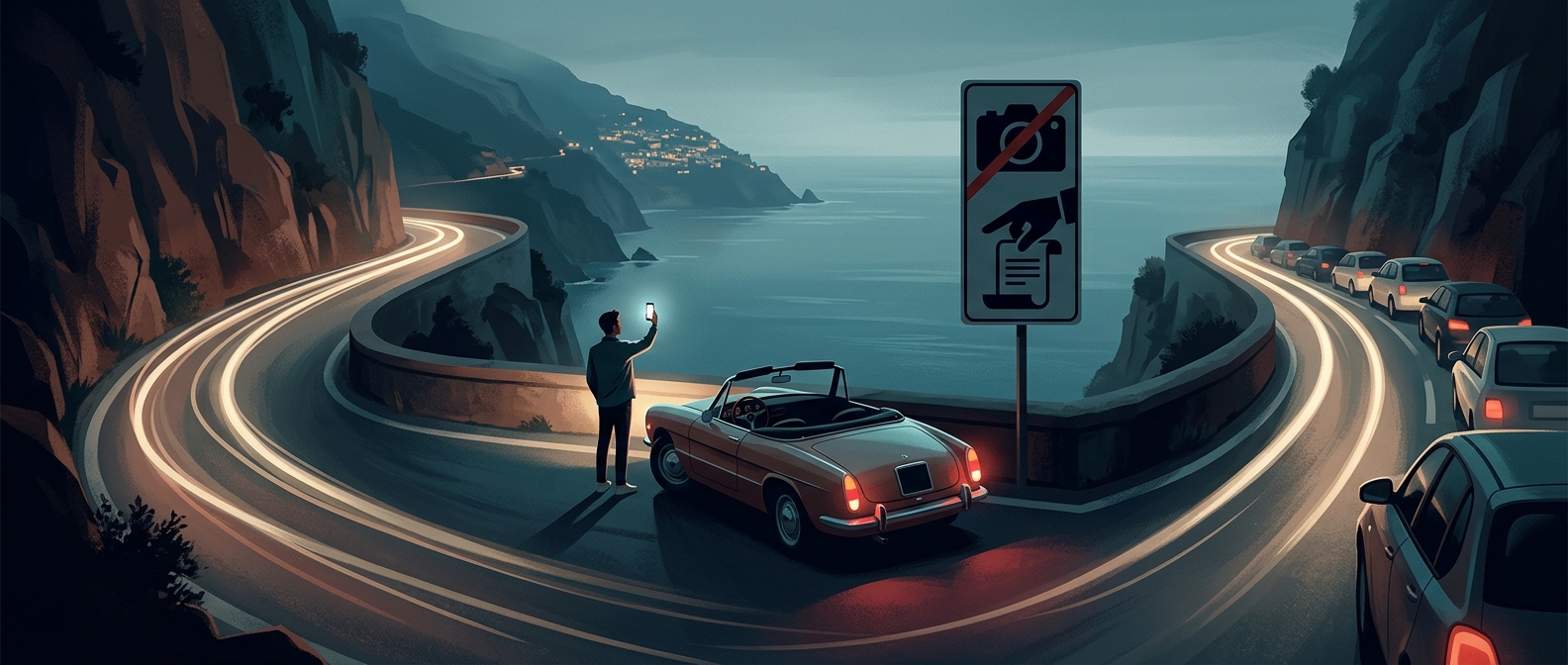
Once someone is trying to make a photograph, the view is no longer just something to take in. It becomes material to arrange. A small change in position can hide a sign or bring a mountain into alignment; a screen preview can prompt another adjustment. The visitor may spend those moments comparing possible images rather than noticing how the wind feels, how the light is changing, or what lies beyond the frame.
The photo can also serve as a way to carry the experience forward. It preserves a version of the place that can be revisited or shared with others. Until that record feels right, the visit may seem incomplete—not because the scenery itself is lacking, but because the visitor has not yet made the image they hoped to take away.
The Image Is Only One Version of the Place
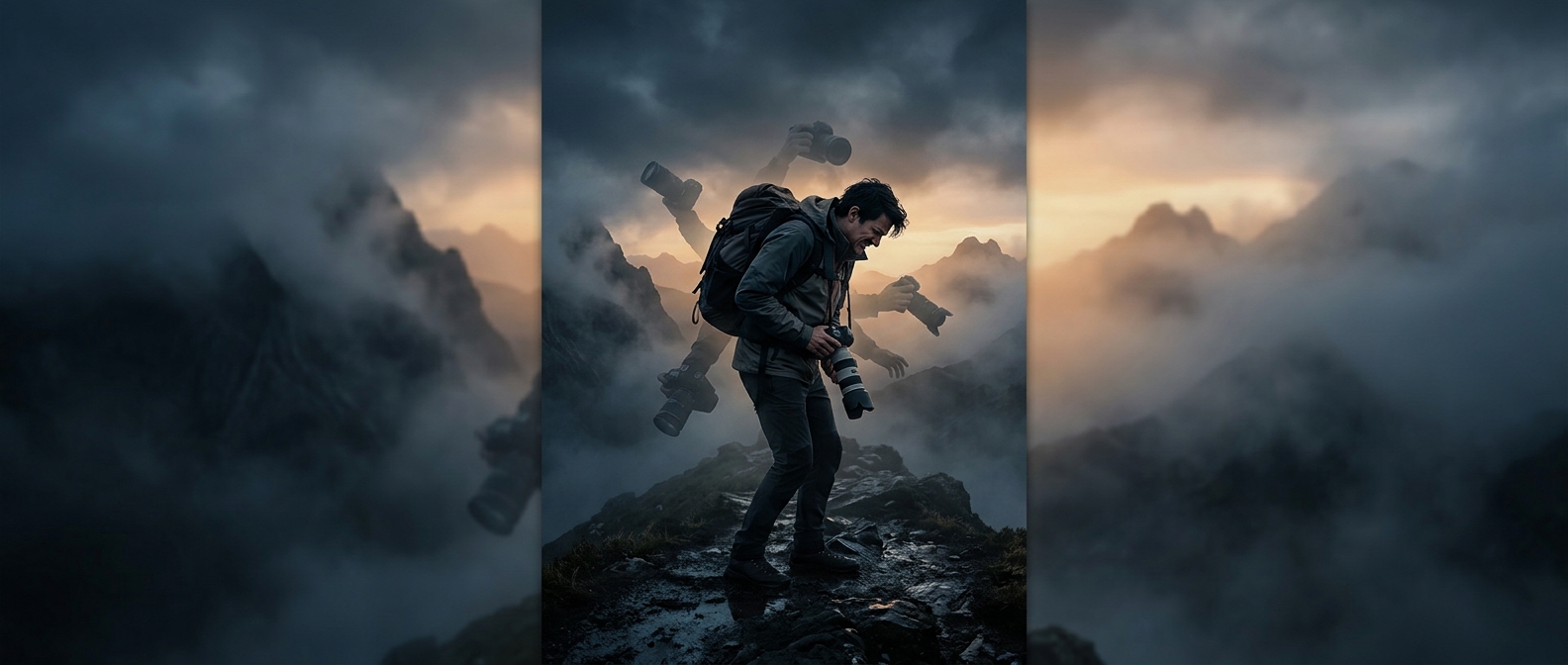
A photograph keeps a chosen slice of a view, not the full experience around it. The more time goes into adjusting that slice, the more the camera can become the main way the visitor encounters the scenery. Stepping back from the screen for a moment can reveal what the frame cannot hold: the scale of the landscape, the changing light, and the wider scene beyond the shot.