The Camera Turns a Monument Into a Framing Problem
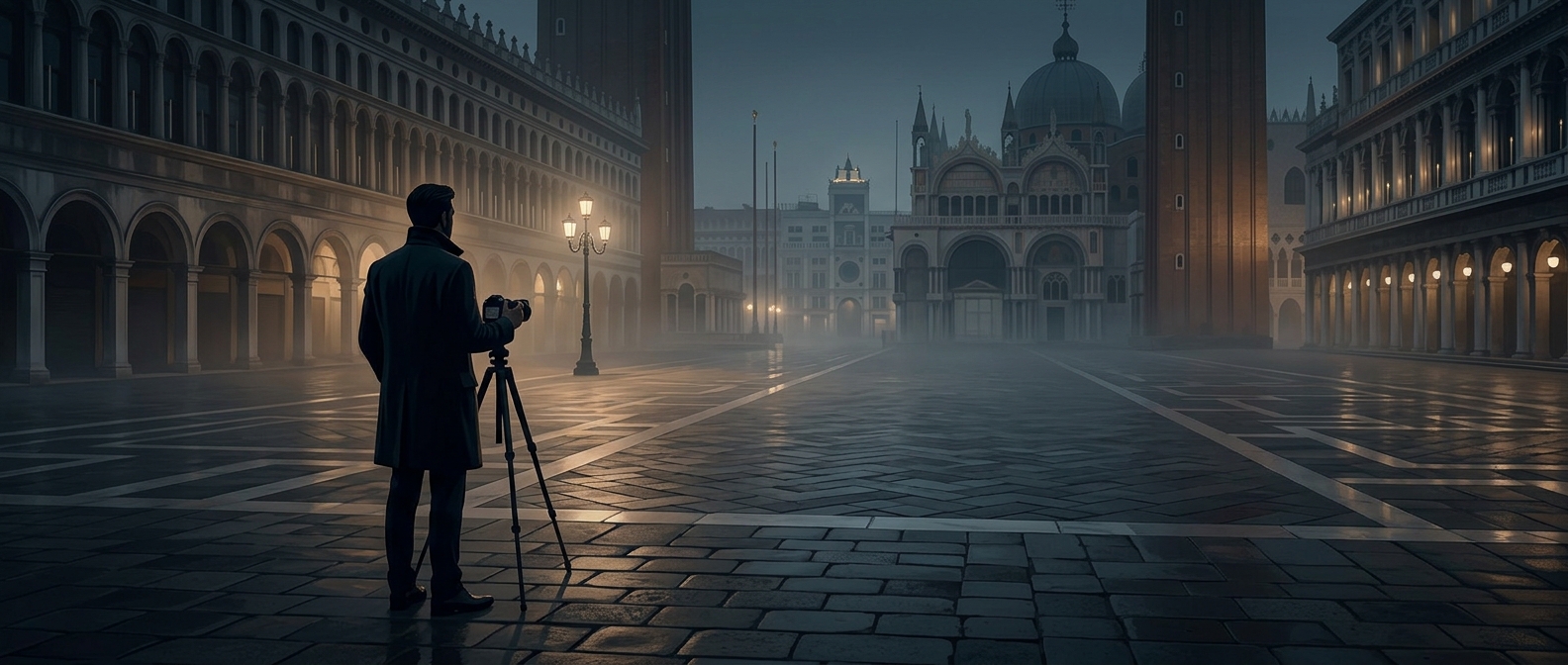
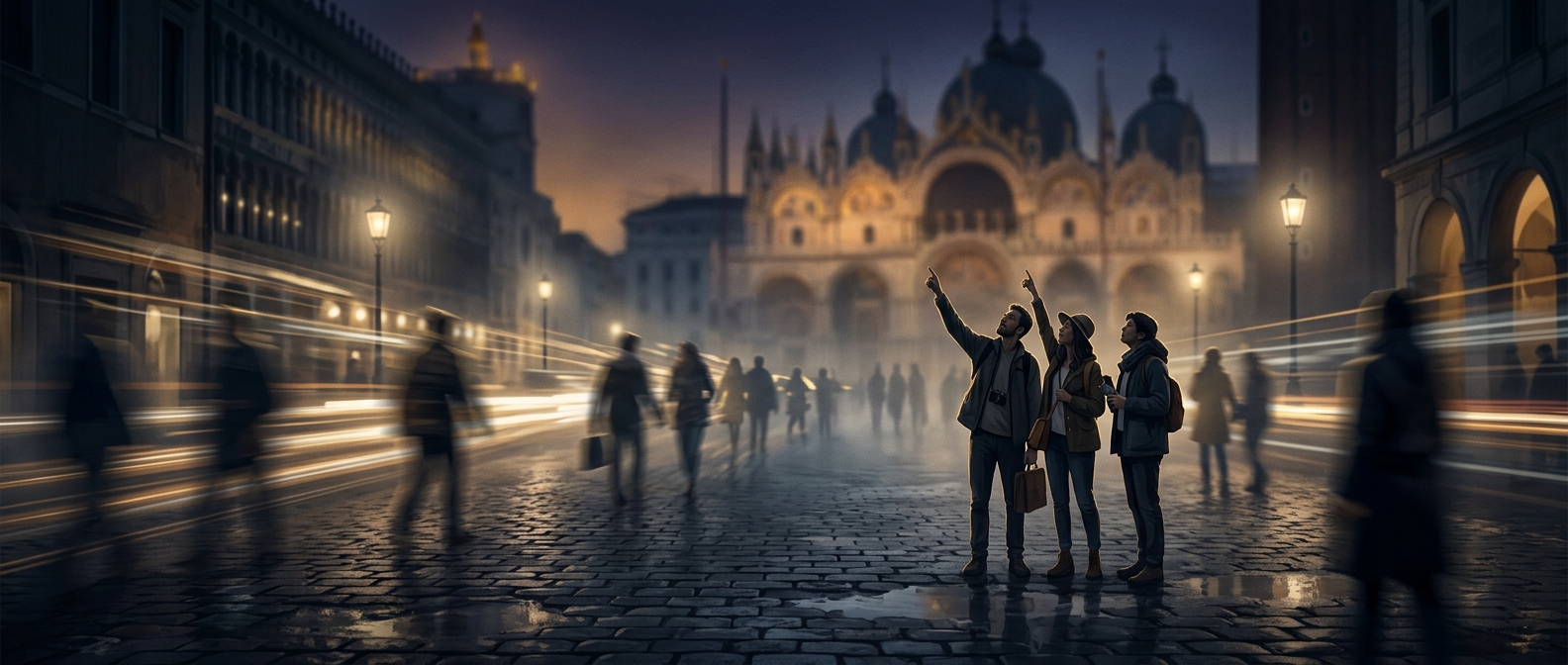
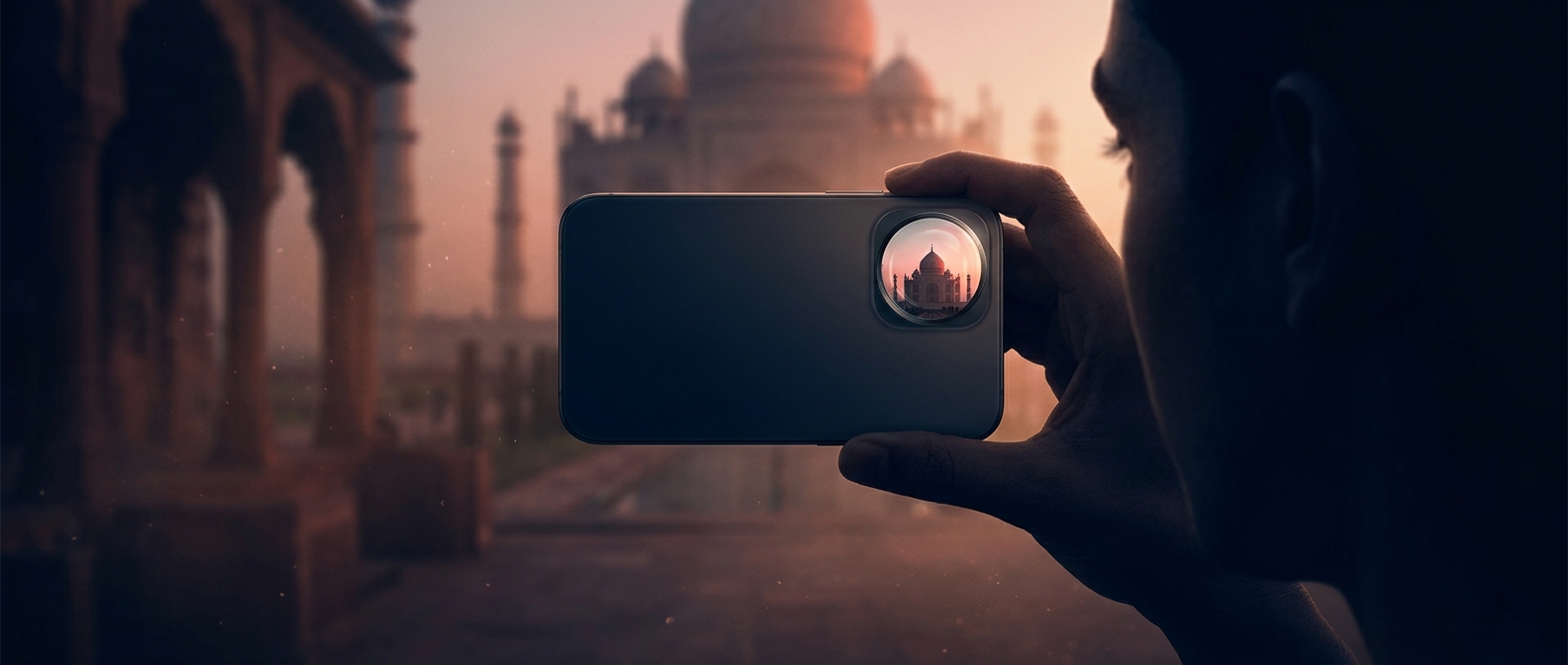
A monument is usually too large to fit comfortably in a phone’s frame. To make a picture, a visitor must choose what to include: the whole structure or a striking detail, the crowded plaza or a clean angle, the monument alone or a person posed in front. The camera view reduces a place you can move through to a small rectangle with edges. Attention starts following those edges.
That changes the visit in a practical way. Instead of noticing how the building rises above the street, how its scale shifts as you approach, or what it looks like from the side, the photographer may be watching for a gap in the crowd and adjusting the shot. The monument becomes something to arrange in an image rather than a space to encounter.
Why the Picture Can Outlast the Attention
Taking a photo can feel like securing a memory: the scene is saved, so it seems safe to move on. But the act of recording is not the same as looking closely. A quick snapshot may preserve the outline while leaving out the details that made the place distinctive—the worn stone, the changing light, or the way the structure dominates its surroundings.
The tradeoff is not that cameras ruin sightseeing. A photograph can help someone remember a visit or share it with others. The difference is whether the camera serves the experience or replaces it. One useful pause is to look at the monument directly before raising the phone, then take the picture and put the device away. That brief unframed look gives the place a chance to register at its actual scale, not only at the size of a screen.