Why Looking Up Changes the Pace
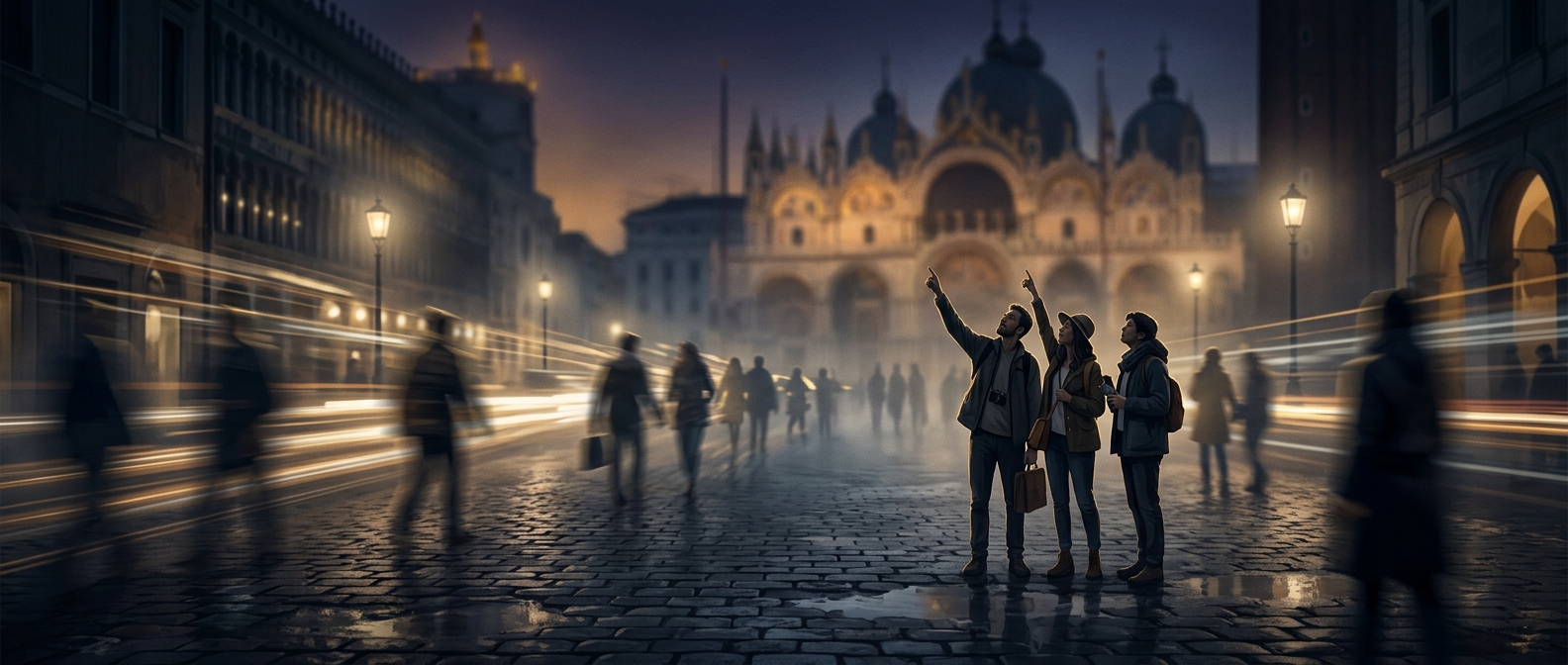
A sightseeing walk is different from an ordinary trip down the sidewalk. Instead of keeping attention mostly on the route ahead, a visitor may search a façade for a tower, carved detail, or rooftop ornament. That shifts attention toward something above and often off to the side, while the walker still has to track curbs, other pedestrians, and the path underfoot.
The result is often a more cautious, stop-and-start pace. People slow to take in a view, then move again while deciding where to look next. Some also tilt their heads back or turn their bodies, making it harder to keep a steady line through foot traffic. This is not a fixed rule for every tourist; it is a predictable consequence of combining sightseeing with walking.
How One Slow Walker Affects a Sidewalk
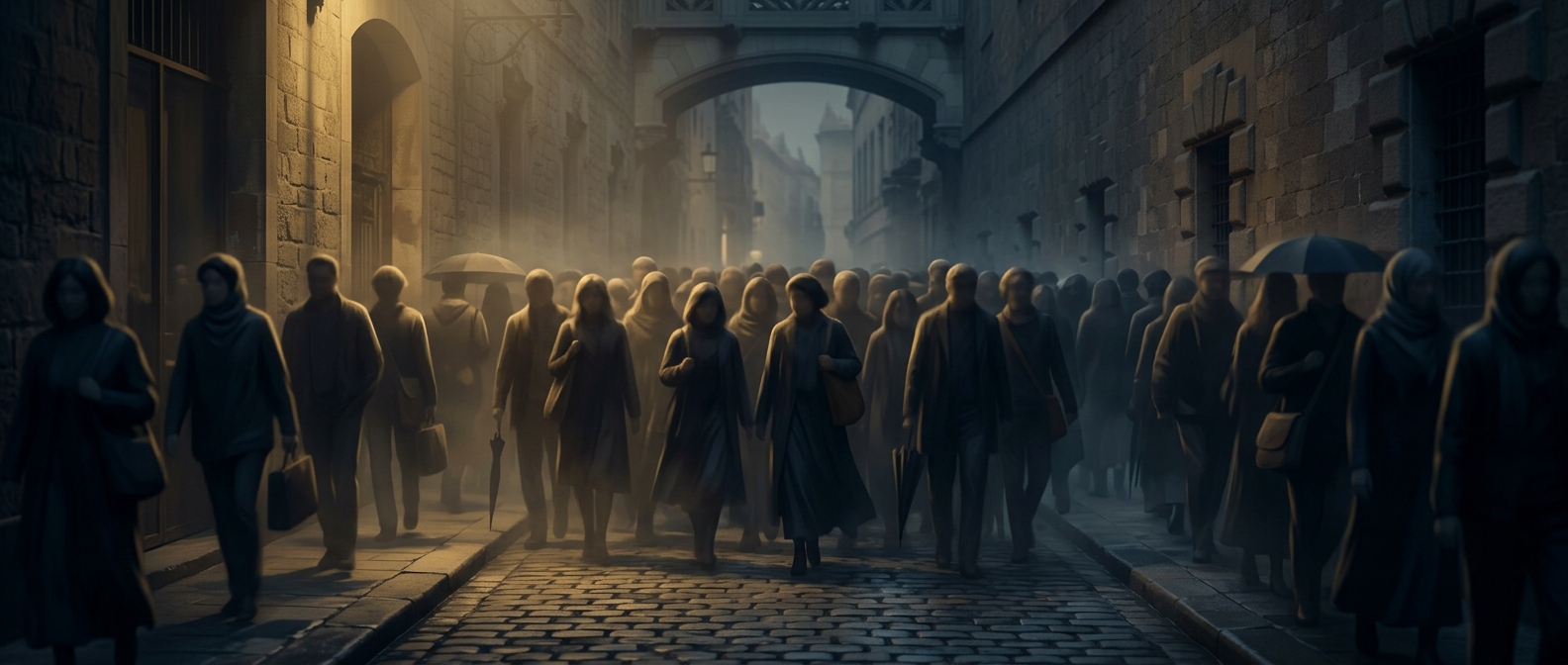
On a busy sidewalk, the effect can spread beyond the person looking up. Someone behind may have to slow, step around, or wait for a gap to pass. When several visitors do this near a landmark, their changing speeds and directions can interrupt the flow like a moving bottleneck—even if nobody stops completely.
The most crowded spots are often where the view is best: directly beside a notable building, at a corner, or where a street opens onto a landmark. A glance upward can therefore change not just how quickly one person travels, but how smoothly everyone nearby gets past.