Why Everyone Ends Up in the Same Spot
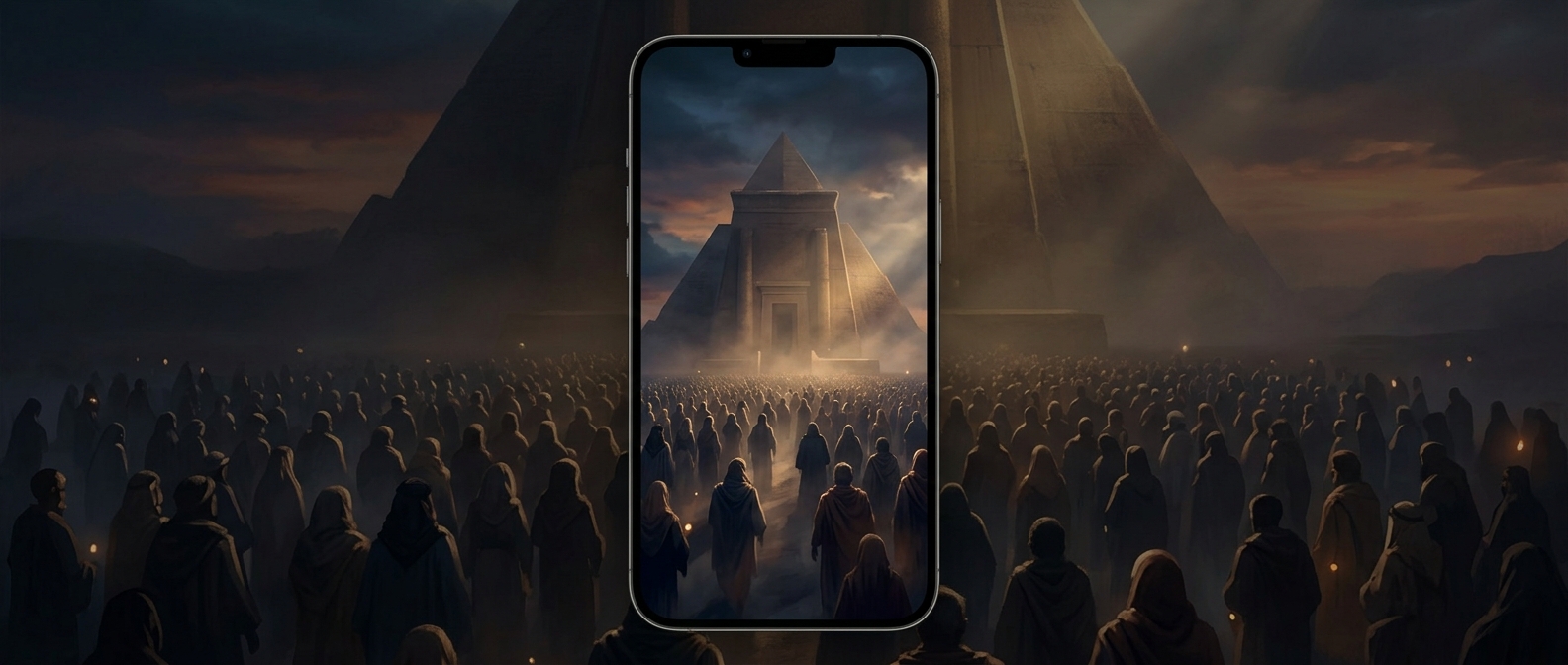
A landmark may be visible from a wide area, but the experience often funnels toward one small place: the front of a statue, a famous viewpoint, or the angle that makes the best photograph. Visitors naturally pause there, while people behind them are still trying to approach. Paths, entrances, and narrow viewing areas can tighten that flow further, turning a large public site into a crowded little stage.
The View Has a Bottleneck
The crowd is not just a matter of how many people visit. It depends on how long each person occupies the most desirable spot. Someone taking a picture may step aside quickly; someone composing several shots or waiting for a clear background stays longer. As those pauses accumulate, arrivals keep pressing toward the same focal point. The result can feel more congested than the whole site actually is.
A Better Way to See It
Stepping back can reveal details that disappear when everyone is clustered at the base: the monument’s scale against its surroundings, the shape of the plaza, or the way the site fits into the city. If the close-up view matters, approaching outside the busiest part of the day can help—but even a short detour to a less obvious angle may offer more room and a more complete sense of place.