A slow ride up the Washington Monument
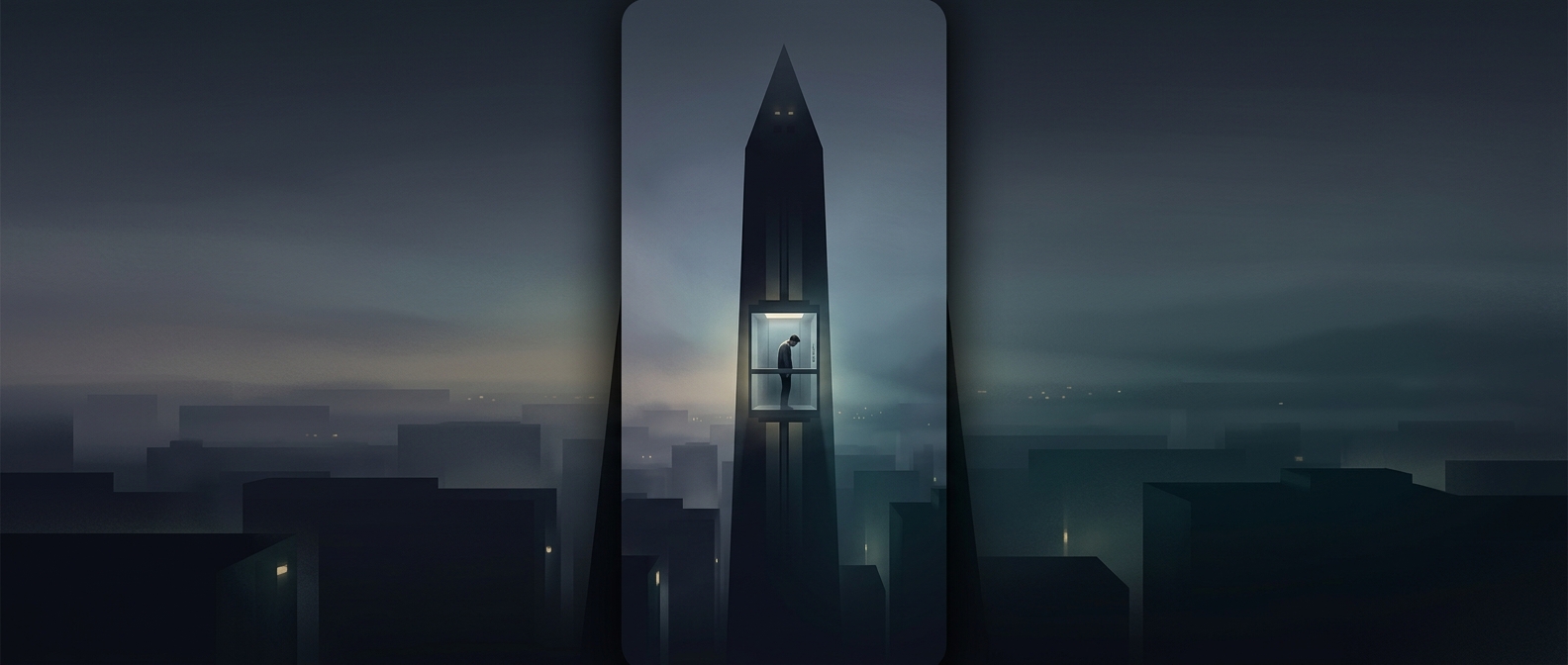
When the Washington Monument opened to visitors, reaching its observation level meant riding a steam-powered elevator through the monument’s central shaft. The lift had to carry a car and its passengers hundreds of feet upward, and the journey was slow enough that the ride itself became part of the visit. Men sat in chairs; women were offered wine.
Why the ascent felt different
A modern elevator makes a tall building’s height almost invisible: press a button, and the floor numbers change quickly. In the monument’s early lift, the long climb unfolded at a crawl. Visitors had time to sit, notice the steady movement, and feel how far they were traveling inside the stone structure. The elevator was not merely a shortcut to the view; getting there was an experience of its own.
That pace also reflects the limits of early elevator technology. A steam-powered system needed machinery to raise the car and a controlled way to manage its movement. Smooth, fast rides were not yet the familiar standard they would become in later buildings.
The monument as a journey
The contrast between the monument’s immense height and the lift’s measured ascent made the trip unusually tangible. Instead of arriving at the top almost at once, visitors experienced the climb as a slow passage through the structure—long enough for a chair, and even a glass of wine, to seem like sensible travel provisions.