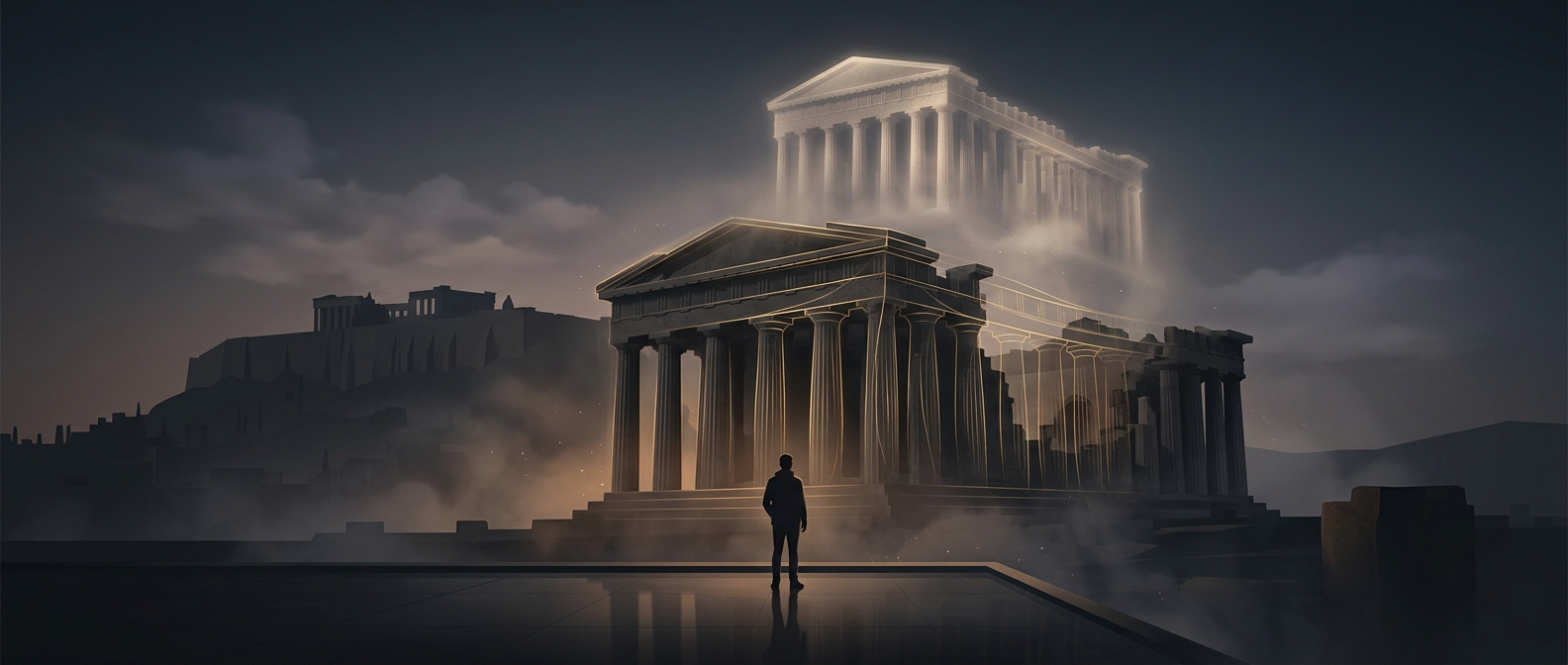
How a temple became a powder magazine
By 1687, the Parthenon had already served very different communities: it had been a Christian church and later a mosque. Athens was then held by the Ottoman Empire, and Venetian forces were besieging the city. The Ottoman defenders used the Acropolis, the fortified high ground above Athens, as a stronghold—and stored gunpowder inside the Parthenon.
That choice turned a building meant for worship into a dangerous part of the battlefield. Gunpowder is explosive when ignited, and the temple’s massive stone structure could not protect it from a direct hit during a bombardment.
The blast changed what visitors see
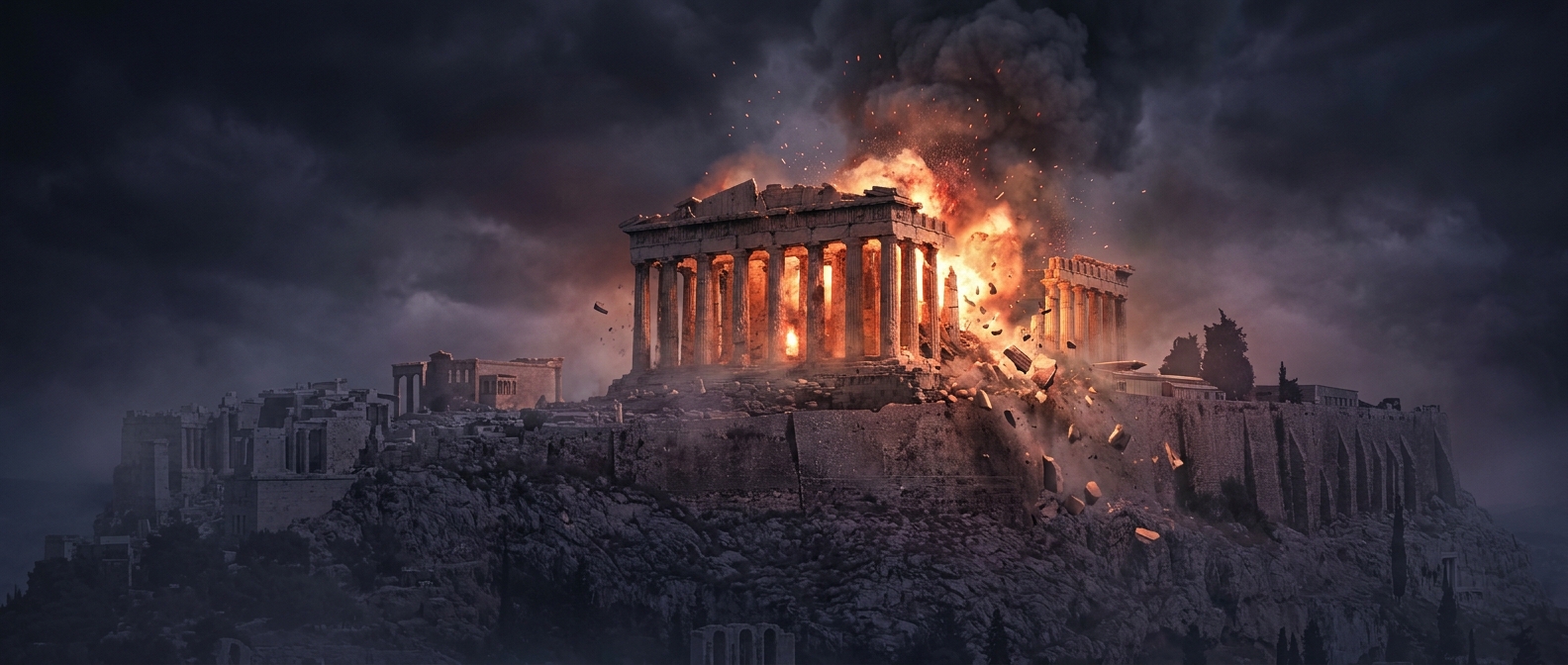
A Venetian shell struck the stored ammunition, setting off an explosion that tore through the building. The Parthenon lost much of its roof, and sections of its walls and columns collapsed. Sculptures were also shattered or thrown from their places. The blast did not erase the temple, but it transformed a largely intact ancient structure into the open ruin familiar today.
The damage is a reminder that the Parthenon’s present appearance is not simply the result of age. Its survival through centuries of changing use was abruptly interrupted by one military decision: placing ammunition inside a landmark that stood on a besieged fortress. The broken columns on the Acropolis mark the moment when the siege reached the heart of the ancient city.