Why the canyon’s layers can look painted
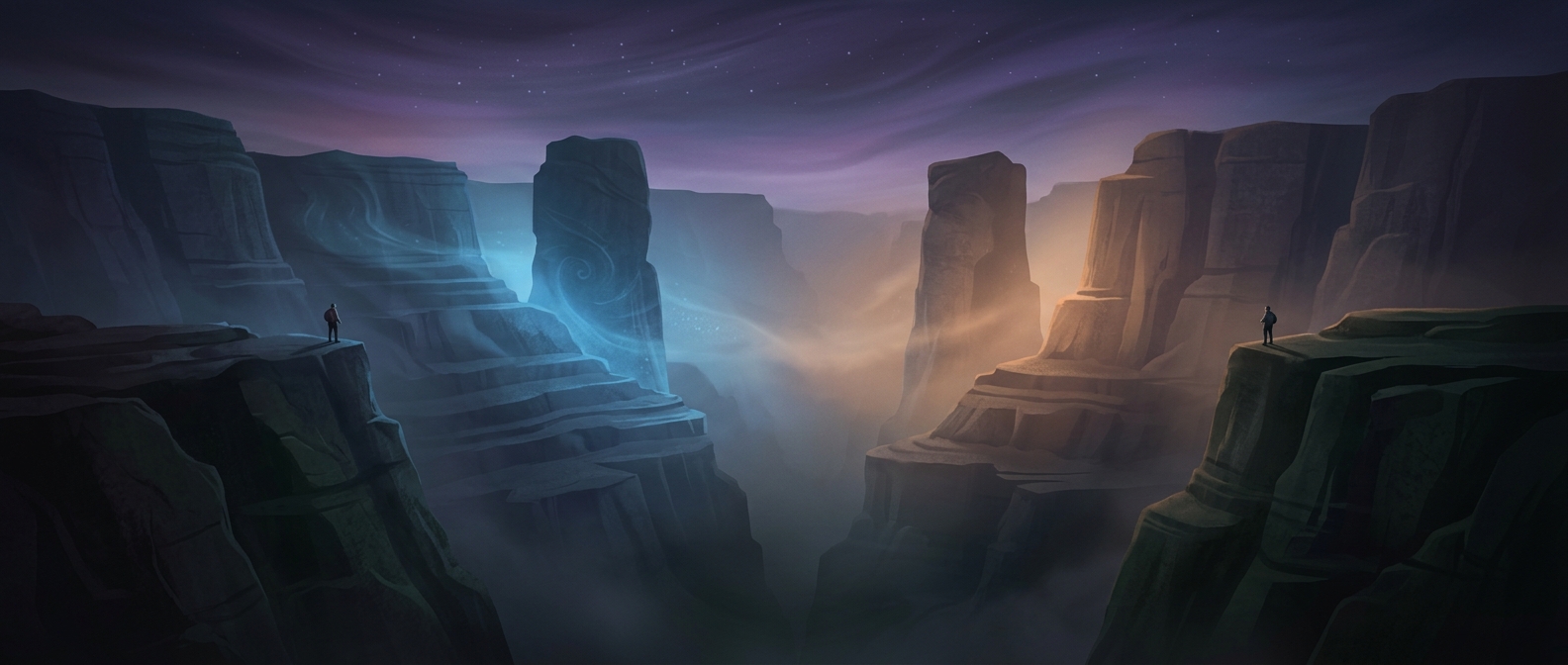
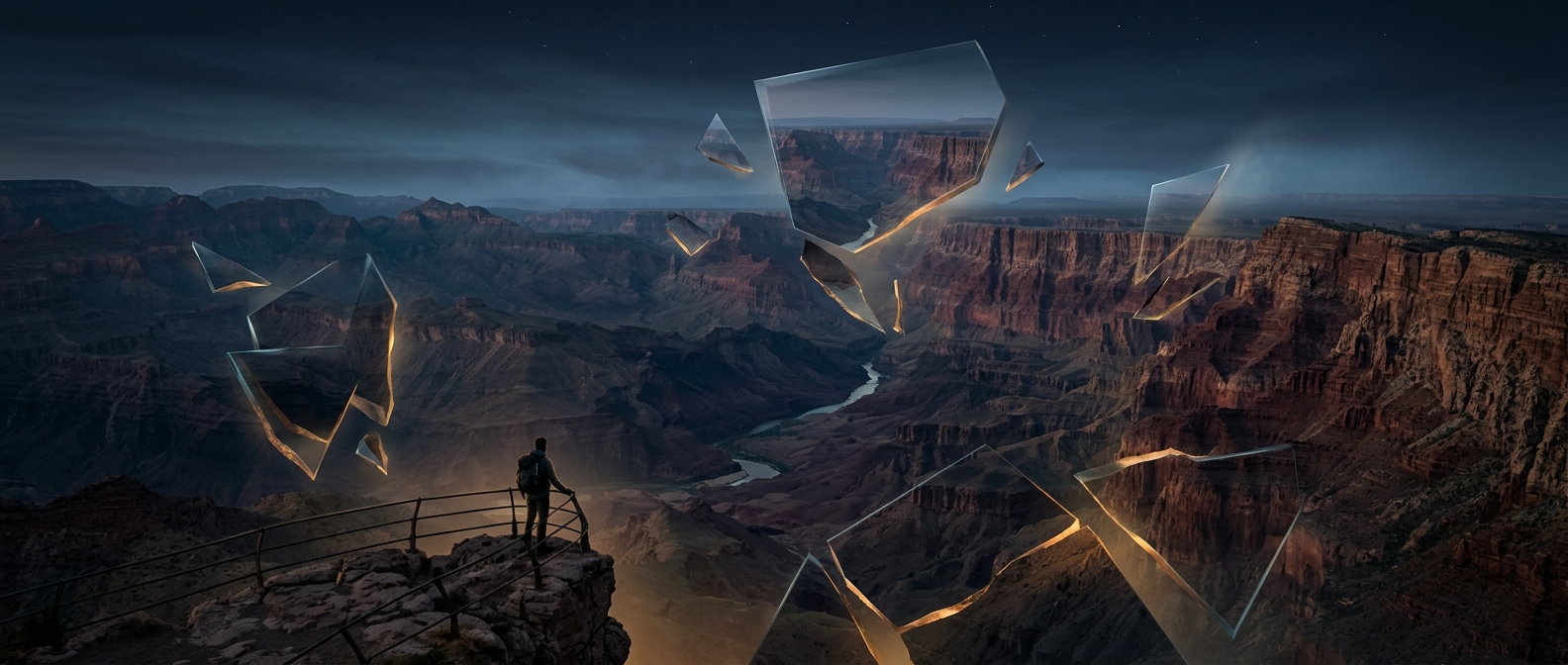
At the Grand Canyon, the eye gets an unusual view of a landscape normally experienced from within. From a rim, you can see many ridges and cliffs at once, but the valleys separating them may be hidden. Without a clear view of the ground between two formations, it can be hard to judge how far apart they are—or how much lower one lies than another.
The rock bands add another visual effect. Their edges run across broad stretches of the canyon, creating stripes that can read as flat shapes when viewed from above. Shadows reveal ledges and folds, but depending on the sun’s angle, they can also make neighboring layers look like sharply outlined patches of color.
A landscape without familiar scale cues
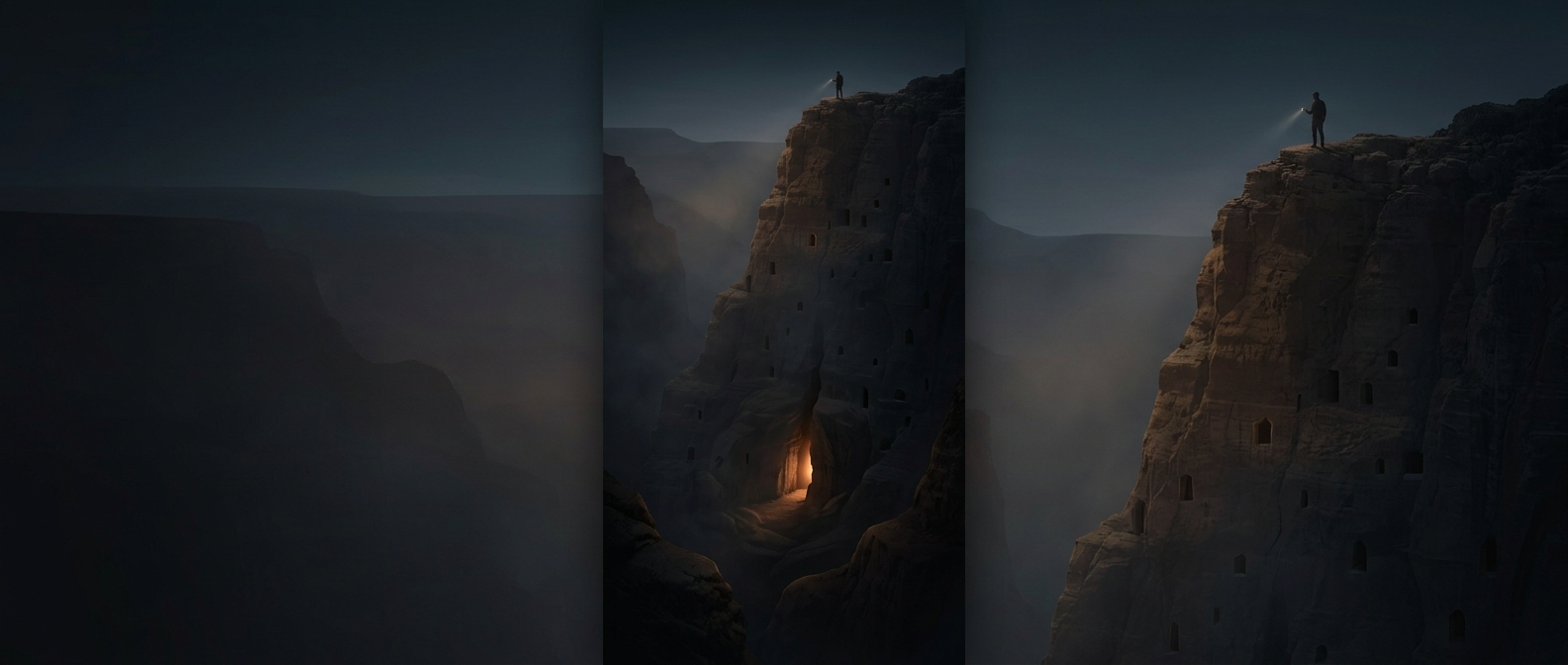
People usually estimate distance by comparing objects with things they know: a nearby tree, a road, or a person. Across the canyon, familiar references are scarce, and features that look close together may be separated by a long descent. The atmosphere also softens distant detail, while nearer rock remains more sharply defined. That gradual loss of clarity is a distance cue, but in a huge, layered view it may not be enough to make the depth feel intuitive.
The result is a scene that can seem like a flat composition of colored bands, even though it is a deep, rugged landscape. Move along the rim, change your viewing angle, or spot a familiar-sized object, and the depth can suddenly become easier to read. The “painting” effect is a reminder that a real landscape is not simply seen as it is; the brain builds its sense of distance from the clues the view provides.