How a moving tour becomes a sidewalk bottleneck
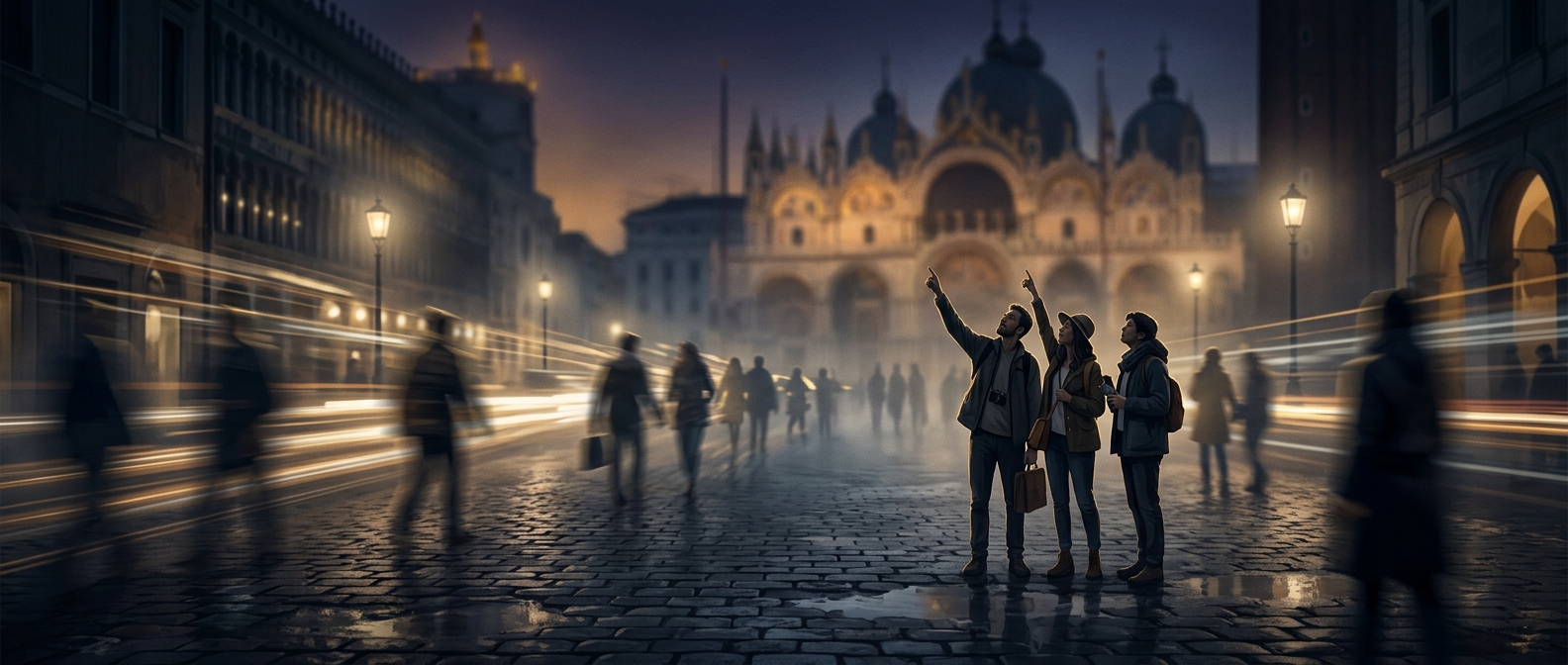
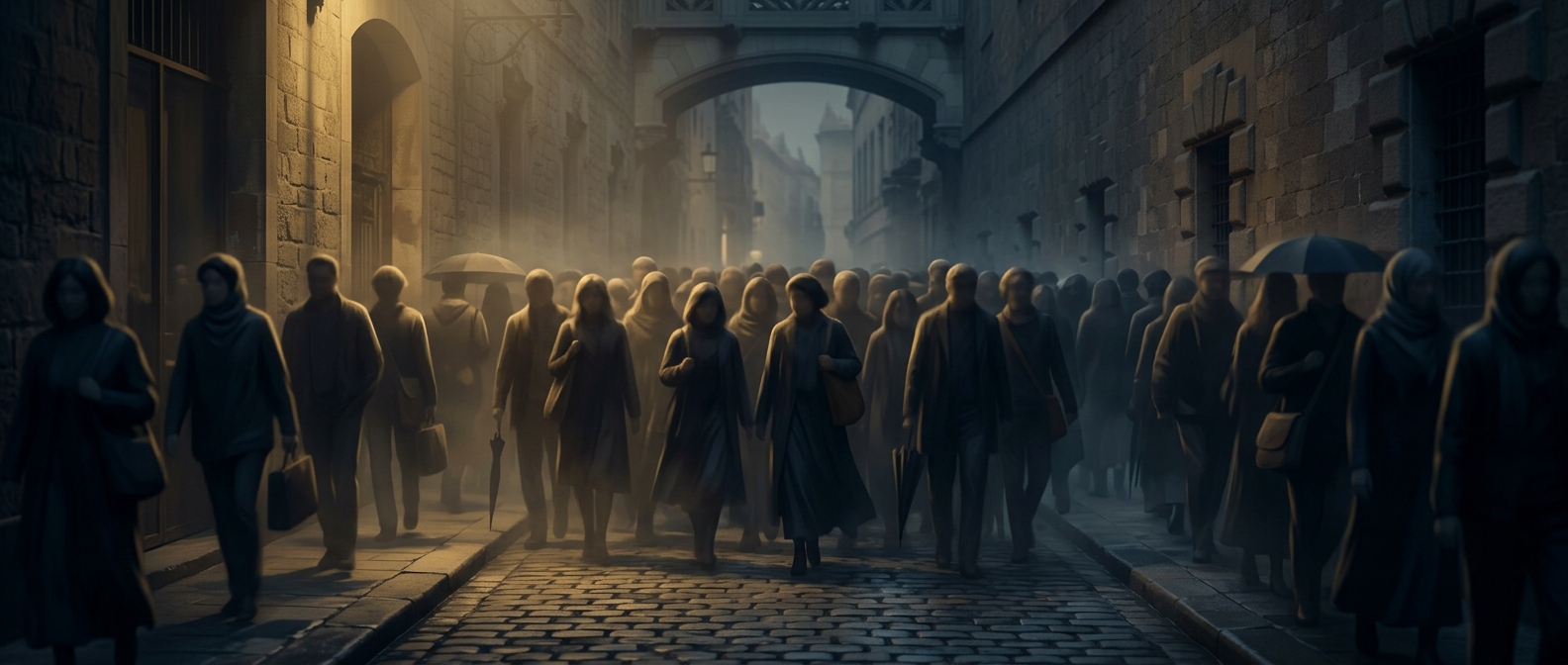
A walking tour may fit along a sidewalk while it is moving, then take up nearly all of it when the guide stops. People gather around the guide or turn toward a landmark, forming a wide, mostly stationary cluster. Unlike a line of walkers, that cluster is hard for others to pass through: gaps close as people shift, and visitors may not notice someone trying to get by.
The pinch is worse where the pavement is already narrowed by a building entrance, street furniture, or a crowd near the landmark. Pedestrians approaching from both directions then have to slow, wait, or squeeze along the edge. If the curb is the only remaining route, they may step into the street, where they are exposed to traffic.
Why the stop matters more than the group’s size
Sidewalks handle movement best when people can keep flowing past one another. A group that stops abruptly converts part of that shared path into a gathering space, without a physical boundary to warn approaching pedestrians. The effect is temporary, but it can spread backward: people behind the blockage bunch up, while those trying to pass search for a gap.
That is why a tour’s stopping point matters. Gathering beside a broad wall or in a plaza leaves the walking route clearer; stopping at a narrow stretch can turn an ordinary pause to view a landmark into a moment when pedestrians have to choose between waiting and stepping toward traffic.