Why Sightseeing Buses Put Passengers on the Roof
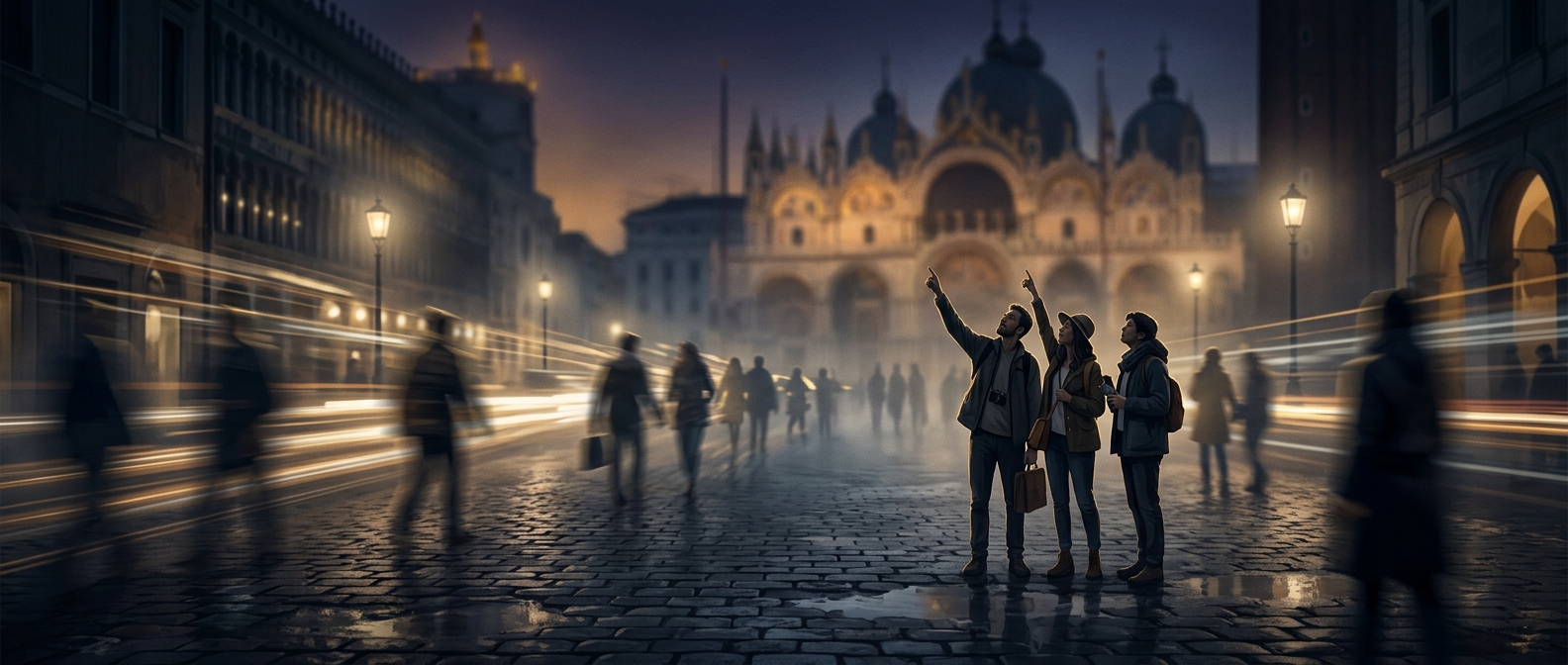
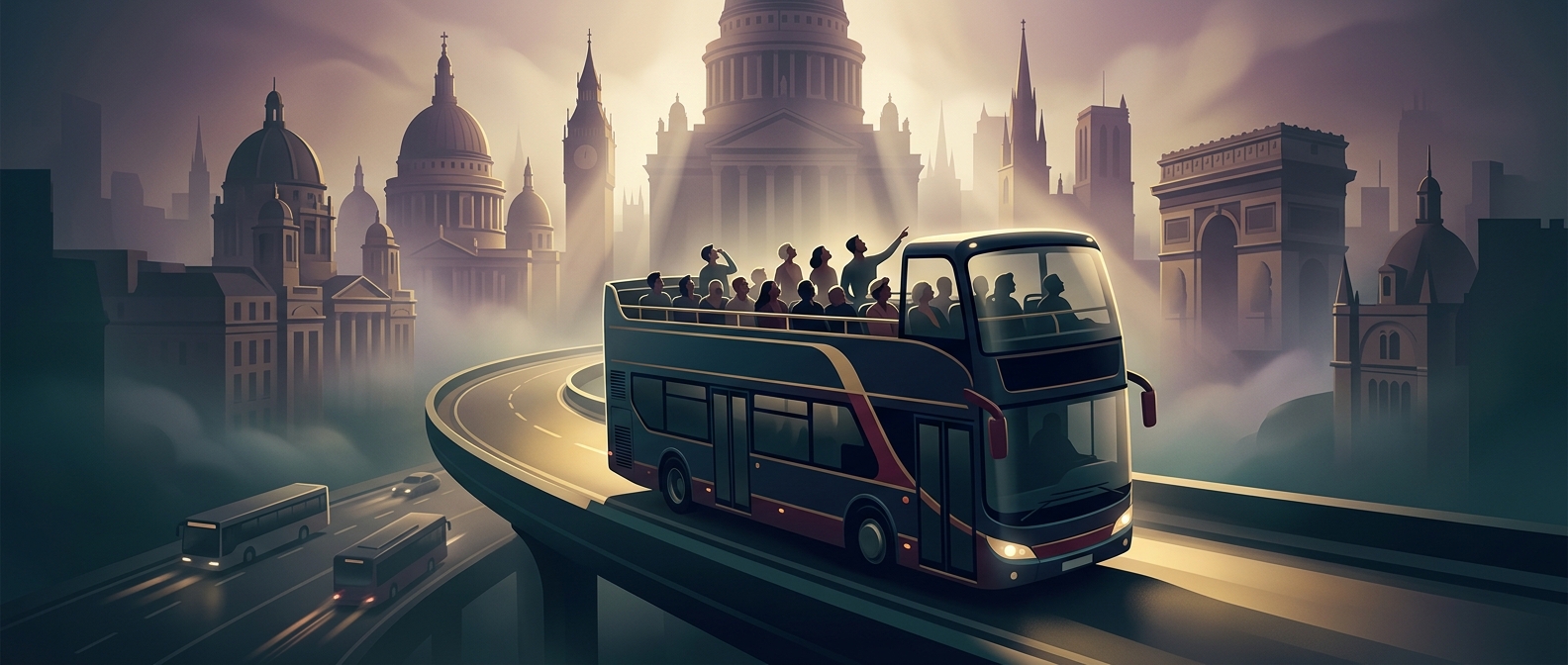
An open upper deck is a simple way to turn a moving bus into a viewing platform. Sitting above cars and many street-level obstructions gives passengers a clearer view of façades, landmarks, and activity along the route. With no roof or window glass between them and the city, they can also look in more directions and take photographs without reflections.
That design is most useful at sightseeing speed, when the bus moves slowly enough for passengers to take in what they pass. But city streets are not purpose-built viewing corridors: buses stop and inch forward alongside ordinary traffic, where vehicle exhaust can linger. The same open sides that make the city easier to see leave passengers with little separation from street-level air.
The View Comes With a Weather Tradeoff
An enclosed bus can buffer passengers from sun, wind, and rain, but its windows and roof create a barrier between the visitor and the streetscape. The open deck swaps some of that protection for a more immediate experience—and makes conditions depend on the day. In strong sun, shade may be scarce; in rain or cold, the exposed seats can become uncomfortable.
The compromise is built into the format: the bus makes the city itself the attraction, rather than creating a sheltered cabin from which to observe it. A landmark may look better from the roof, but the route’s traffic and weather come along for the ride.