A Walking Tour Divides Your Attention
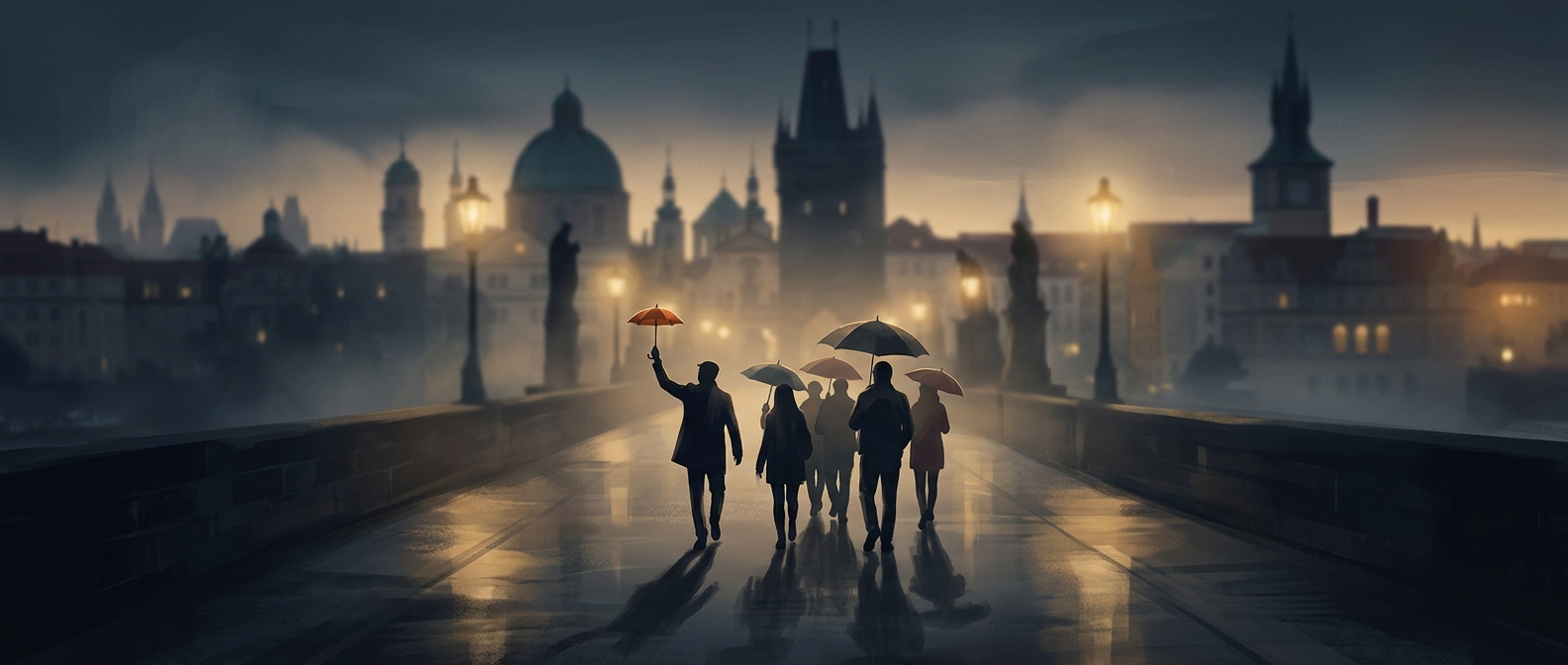
A guide’s voice has to compete with street noise—engines, horns, footsteps, and overlapping conversations. That noise can mask speech, meaning it covers parts of the sound that help distinguish one word from another. If the group stretches out or turns a corner, the guide’s voice may also become harder to hear, even when the guide is speaking clearly.
At the same time, you’re watching where you’re going and tracking the group through a changing streetscape. You may need to look from the guide to a crossing, then back again, while trying to reconnect with a sentence you missed. The effort comes from doing two jobs at once: following the explanation and navigating the crowd.
Why Small Interruptions Add Up
Missing a few words can make the next part harder to follow: a name or detail you didn’t catch may be the context for what the guide says next. So you listen more intently, fall behind while watching your footing, or move closer and risk blocking someone else’s view. The strain is not simply from walking; it comes from repeatedly shifting attention between the story and the street.
That is why a short stretch through a busy intersection can feel more tiring than a longer, quieter stop. The group has to keep moving, but the explanation is easiest to absorb when you can pause and give it your attention.