A Tripod Can Turn a Visit Into a Production
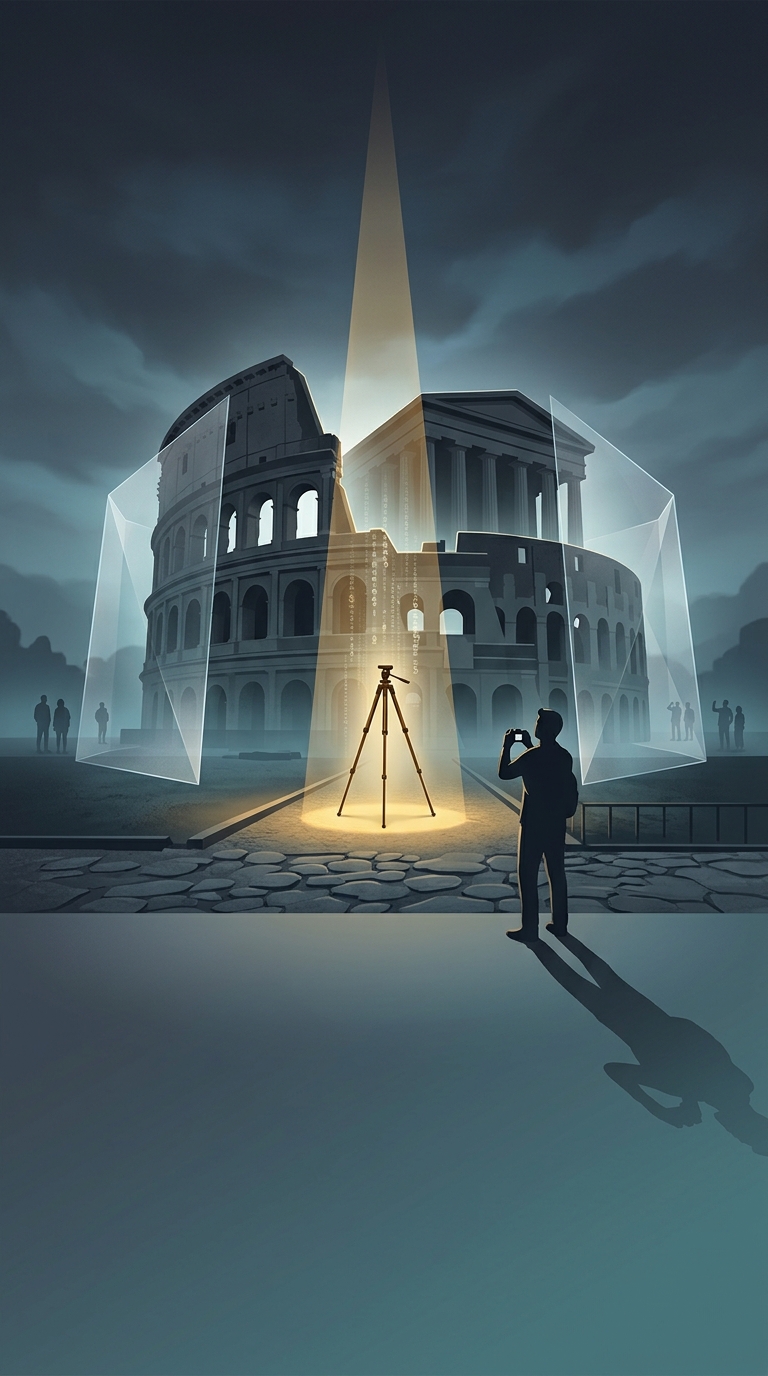
At a crowded landmark, a tripod is more than a camera accessory: it takes up floor space, stays in one place, and can make other visitors stop or detour. Staff may therefore treat tripod use as a managed activity rather than ordinary sightseeing photography—especially in narrow rooms, busy courtyards, or fragile historic interiors.
The fee, when there is one, is often part of a photography or filming permit, not a price charged for the tripod itself. A permit lets the site set conditions, such as where equipment can go, when it can be used, and whether staff need to supervise. Those controls help limit obstruction, protect delicate surfaces, and keep equipment from creating a trip hazard.
Why the Price Can Feel Disproportionate
A small setup can fall under rules designed for larger photo shoots. From the site’s perspective, it may be difficult to distinguish a visitor’s tripod from equipment being used for a publication, advertisement, or other organized production. A permit system creates a clear boundary: handheld snapshots are easy to accommodate; stationary equipment may require approval and oversight.
Historic sites also have competing demands. They must preserve the place while allowing visitors to move through it, and a tripod can affect both at once. The charge is usually about managing the activity and its impact on the site—not the camera’s ability to take a better picture. Rules differ from one landmark to another, so checking the venue’s photography policy before packing a tripod can prevent an unexpected cost—or a request to put it away.